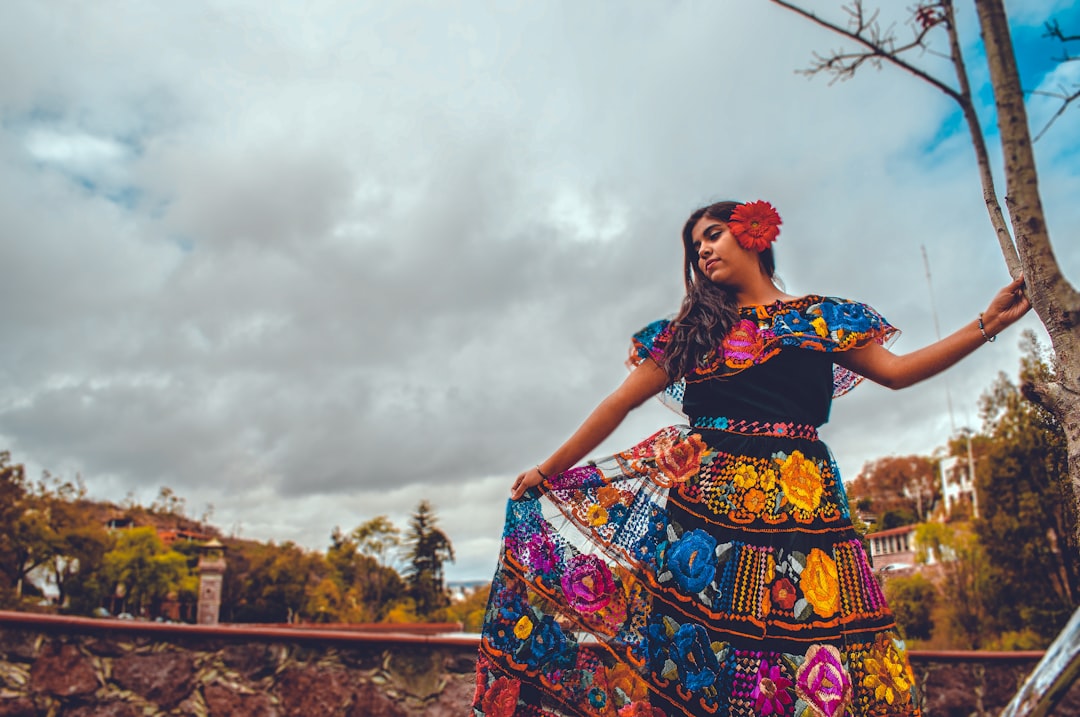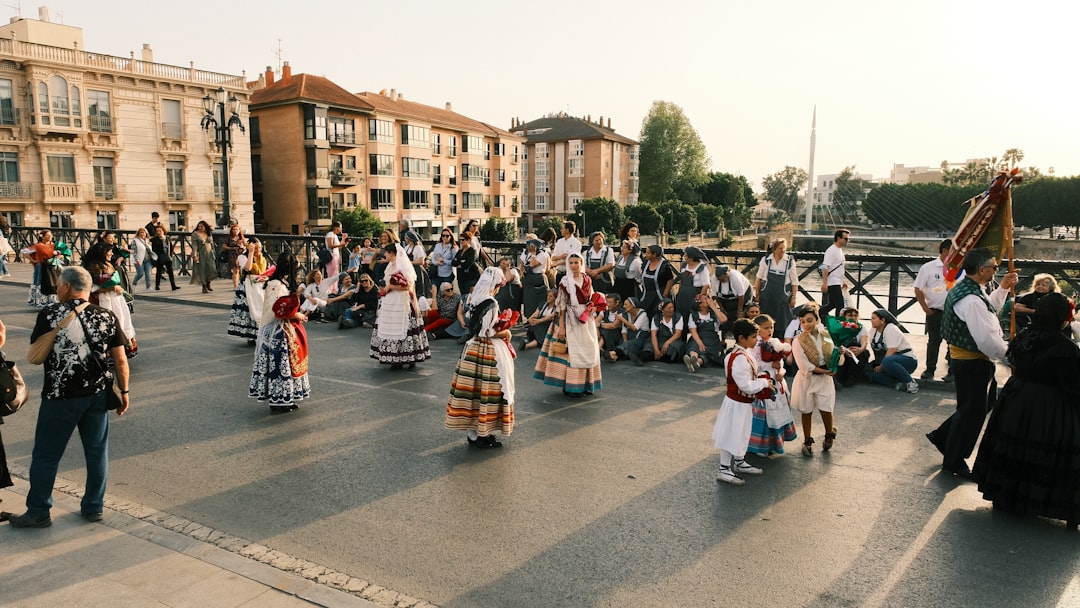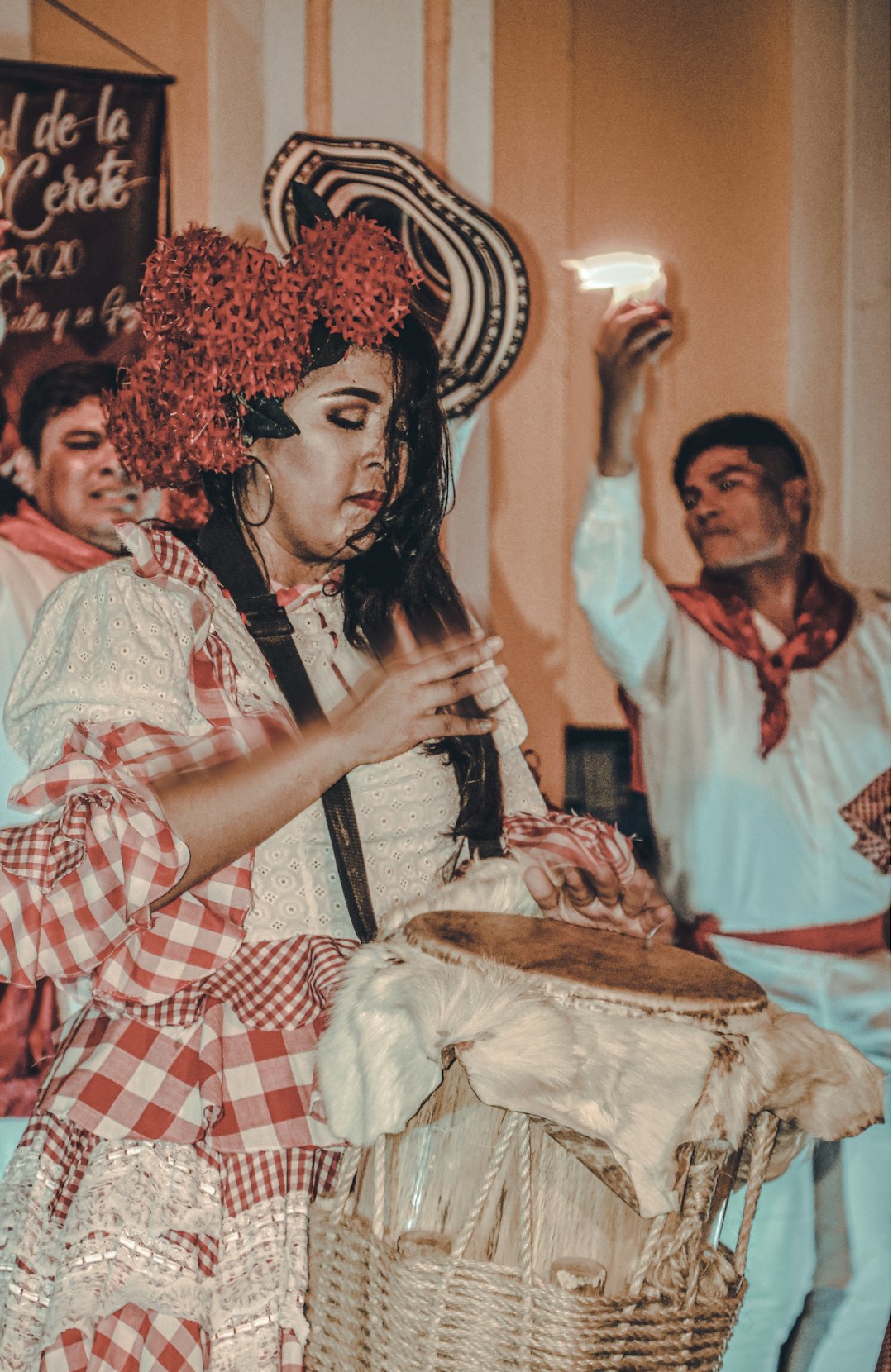
Lindy hop, Charleston, Balboa—swing dance encompasses styles born in 1920s–40s Harlem ballrooms, and today's revival scene blends vintage aesthetics with modern comfort. Whether you're stepping into a weekly social dance or your first competition, your outfit must honor this heritage while surviving three hours of spins, kicks, and partner aerials.
1. Prioritize Movement-Friendly Fabrics
Swing dancing demands fabric that recovers from deep knee bends, overhead arm positions, and rapid torso twists. Test any garment before committing: raise your arms fully—does the hem lift above your waist? Bend deeply—does the waistband cut into your midsection?
Best fabric choices:
- Cotton and linen blends for breathability during high-energy sets
- Stretch wovens with 2–5% spandex for recovery after twists and dips
- Lightweight wool crepe for vintage-inspired pieces that resist wrinkling
Avoid stiff denim, heavy sequins that scratch partners, and fabrics without give that tear during sudden movements.
2. Choose Shoes Built for Spins and Stability
Your footwear directly impacts your dancing and joint health. Swing-specific movement requires soles that balance slide and grip.
Prioritize leather or suede soles. Leather-soled shoes allow controlled sliding essential for spins and turns, while providing enough grip for stability. Suede-bottomed dance shoes offer similar functionality with slightly more friction—ideal for beginners.
Avoid thick rubber soles, which grip too aggressively and strain knees during rotational moves. Street sneakers are acceptable only for practice; dedicated dance shoes with ankle support prevent injury during jumps and quick directional changes.
Heel height matters: Follows typically prefer 1.5–2 inch character shoes or low heels for stability in turns. Leads often choose flat oxfords or 1-inch heels for balanced weight distribution. Break in new shoes at home—blisters mid-dance are avoidable misery.
3. Dress for Your Specific Event
Swing events range from casual studio nights to formal vintage balls. Match your attire to the setting without sacrificing function.
| Event Type | Recommended Attire | Practical Notes |
|---|---|---|
| Weekly social dances | High-waisted trousers with knit tops; A-line skirts with fitted tees; vintage reproduction dresses | Prioritize machine-washable fabrics; bring a backup shirt |
| Workshops and intensives | Athletic-inspired layers; dance shorts under skirts; moisture-wicking materials | You'll sweat significantly; avoid light colors that show dampness |
| Competitions and performances | Period-accurate suits; full-circle skirts with crinolines; matching team colors | Test full outfits including undergarments for range of motion |
| Vintage-themed balls | 1930s–40s evening wear: tuxedos, gowns, spectator shoes | Modern dance shoes in period-appropriate colors; pack a garment bag |
Gender-inclusive framing: Mix elements freely—high-waisted trousers with silk blouses, Oxford shoes with floral dresses, or vintage suits with statement jewelry. The swing community generally welcomes personal expression; focus on fit and function over rigid categories.
4. Accessorize Strategically
Accessories should enhance your look without interfering with partner connection or movement.
Functional choices:
- Hair ties and pins for securing lengths that could whip partners' faces
- Pocket squares or lapel pins for personality without movement restriction
- Wristbands to manage sweat without soaking shirt cuffs
Avoid or modify:
- Hats: Secure firmly with elastic or choose fascinators; expect to remove during fast tempos
- Long necklaces: Tuck into clothing or choose short, close-fitting chains
- Rings with stones: Rotate to palm side or remove to prevent catching on partners' clothing
5. Maintain Hygiene and Equipment Care
Respect for partners includes managing your physical presence on the dance floor.
Clothing maintenance:
- Rotate between at least two dance outfits to allow proper washing and drying
- Pre-treat underarm areas; perspiration stains permanently damage vintage fabrics
- Inspect seams regularly—swing dancing stresses construction at shoulders and waistbands
Shoe care:
- Brush suede soles with a wire brush weekly to maintain optimal friction
- Store leather shoes with cedar trees to absorb moisture and maintain shape
- Replace heels and taps before they wear unevenly and affect balance
6. Build Your Swing Wardrobe Over Time
Start with versatile foundations rather than investing immediately in period-specific pieces:
- One pair of proper dance shoes in a neutral color
- Two bottoms that pass the full-range-of-motion test (trousers or skirts with adequate sweep)
- Three tops in breathable fabrics that stay tucked or fitted during movement