Dance Categories
Find the dance style, level, or occasion that matches your goal.
Ballet
13816
Ballet is a classical dance form that originated in the Italian Renaissance courts during the 15th century and later developed into a highly technical and stylized art form in France and Russia. It is characterized by its formalized techniques, graceful movements, and elaborate costumes and sets.
Ballet dancers undergo rigorous training in ballet technique, which includes mastering the five basic positions of the feet, proper alignment, turnout, and coordination of movements. They also learn a vocabulary of classical ballet steps and positions, such as plié, tendu, arabesque, and pirouette.
Ballet performances typically tell a story or convey a narrative through dance, music, and mime. They may be based on classical ballets, such as "Swan Lake," "The Nutcracker," and "Giselle," or contemporary works choreographed by modern ballet masters.
Ballet is often performed by trained ballet dancers who strive for technical precision, poise, and expression in their movements. Performances may take place on stage in theaters, opera houses, or ballet studios, with dancers accompanied by live orchestras or recorded music.
Over the centuries, ballet has evolved into various styles and techniques, including classical ballet, neoclassical ballet, and contemporary ballet. It remains one of the most influential and revered forms of dance worldwide, admired for its beauty, athleticism, and artistic expression.



Tap
1907
Tap dance is a rhythmic dance form characterized by the percussive sounds of metal taps attached to the dancer's shoes. It originated in the United States during the 19th century, influenced by various dance styles, including African tribal dances, Irish step dancing, and English clog dancing.
Tap dancers use their feet to create intricate rhythms and patterns by striking the floor with different parts of the shoe, including the toe, ball, and heel. They may also incorporate upper body movements, arm gestures, and syncopated rhythms to enhance their performances.
Tap dance is often performed to jazz or swing music, with dancers improvising and creating rhythms in response to the music. It can be danced solo, in duets, or in larger groups, with dancers engaging in call-and-response patterns and rhythmic dialogues with each other.
Tap dance has evolved over the years, with notable performers and choreographers contributing to its development and popularity. It has been featured in Broadway shows, Hollywood films, and television programs, showcasing its versatility and entertainment value.
Today, tap dance remains a popular form of dance practiced and performed by people of all ages and backgrounds. It is celebrated for its rhythmic complexity, musicality, and expressive possibilities, making it a cherished part of American dance culture.




Jazz
2152
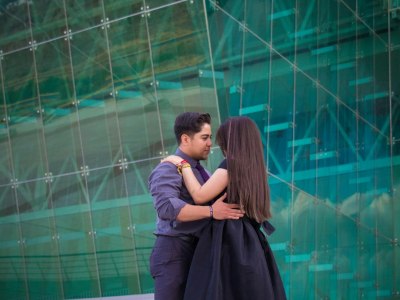
Jazz dance is a dynamic and expressive dance style that originated in the United States in the late 19th and early 20th centuries. It is influenced by African American rhythms, European classical dance techniques, and social dances of the time.
Jazz dance is characterized by its syncopated rhythms, improvisational style, and expressive movements. It encompasses a wide range of styles and techniques, including classical jazz, musical theater jazz, lyrical jazz, and contemporary jazz.
In jazz dance, dancers often use isolations, contractions, and syncopated footwork to create dynamic and visually exciting performances. They may incorporate elements of ballet, modern dance, and ethnic dance forms, blending different styles and techniques to create a unique and expressive choreography.
Jazz dance is often performed to jazz music or contemporary pop music with a strong rhythmic beat. It is commonly seen in musical theater productions, dance concerts, television shows, and music videos, showcasing its versatility and entertainment value.
Today, jazz dance continues to evolve and adapt, with choreographers and dancers pushing the boundaries of movement and expression. It remains a popular form of dance practiced and performed by dancers of all ages and backgrounds, celebrated for its energy, creativity, and improvisational spirit.



Contemporary
2589
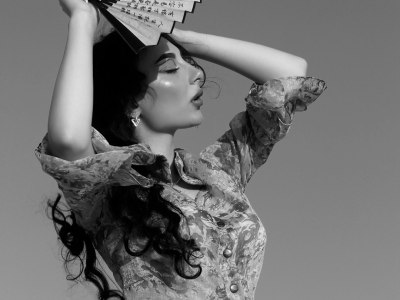
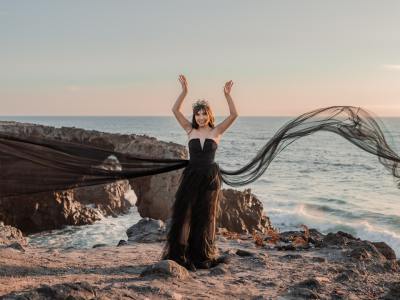
Contemporary dance is a modern dance form that emerged in the mid-20th century as a reaction against the strict rules and techniques of classical ballet. It is characterized by its freedom of expression, versatility, and fluidity of movement.
Contemporary dance incorporates elements of various dance styles, including ballet, modern dance, jazz, and ethnic dance forms, as well as elements of theater, visual arts, and performance art. It often explores themes of identity, emotion, and social issues through movement and choreography.
In contemporary dance, dancers focus on exploring their own movement vocabulary and personal expression, often using improvisation and experimentation to create choreography. Movements can range from controlled and precise to fluid and expansive, with dancers moving seamlessly between different qualities and dynamics.
Contemporary dance is often performed to a wide range of music, from classical compositions to electronic beats, with choreographers selecting music that complements the themes and emotions of their choreography. Performances may take place on stage, in galleries, outdoors, or in site-specific locations.
Contemporary dance continues to evolve and innovate, with choreographers and dancers pushing the boundaries of movement and expression. It remains a popular and influential form of dance practiced and performed by artists around the world, celebrated for its creativity, versatility, and ability to connect with audiences on a visceral level.




Hip Hop
2118
Hip hop dance is a dynamic and energetic dance style that originated in African American and Latino communities in the Bronx borough of New York City during the 1970s. It is characterized by its improvisational nature, rhythmic movements, and urban aesthetic.
Hip hop dance encompasses a wide range of styles and techniques, including breaking (breakdancing), locking, popping, and krumping, as well as freestyle and social dance forms. It is often danced to hip hop music, rap, funk, and other genres of urban music with a strong beat and groove.
In hip hop dance, dancers often incorporate elements of street dance, such as footwork, isolations, and body rolls, as well as personal style and expression. Movements can be fluid and lyrical or sharp and percussive, with dancers responding to the music and expressing themselves through movement.
Hip hop dance is not only a form of artistic expression but also a social and cultural phenomenon, reflecting the experiences, struggles, and aspirations of urban youth. It has played a significant role in popular culture, influencing fashion, music videos, film, and television.
Today, hip hop dance continues to evolve and innovate, with dancers and choreographers blending elements from different dance styles and cultural influences. It remains a vibrant and influential form of dance practiced and performed by people of all ages and backgrounds, celebrated for its creativity, diversity, and connection to urban culture.



Salsa
2219
Salsa is a popular social dance that originated in the Caribbean, particularly in Cuba and Puerto Rico, during the 20th century. It is characterized by its lively and rhythmic movements, intricate footwork, and sensual partnering.
Salsa music typically features a syncopated rhythm known as the clave, with influences from Cuban son, mambo, cha-cha-cha, and other Latin American musical styles. The dance is often performed to salsa music, with a strong emphasis on improvisation, musicality, and connection between partners.
In salsa dancing, partners engage in a series of intricate footwork patterns, turns, and spins, often accompanied by hip movements, arm styling, and body isolations. The dance is typically danced in a circular motion, with partners moving in sync with the music and responding to each other's movements.
Salsa is danced in various styles and variations around the world, including Cuban salsa (salsa cubana), Puerto Rican salsa (salsa puertorriqueña), New York style salsa (salsa on2), and Los Angeles style salsa (salsa on1). Each style has its own unique characteristics, footwork patterns, and cultural influences.
Salsa dancing is not only a form of social interaction and entertainment but also a cultural expression and celebration of Latin American heritage. It is enjoyed by people of all ages and backgrounds in dance clubs, salsa congresses, and social events worldwide.


Tango
1898
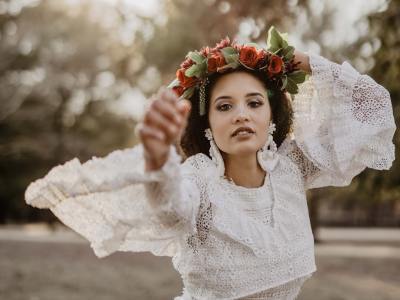
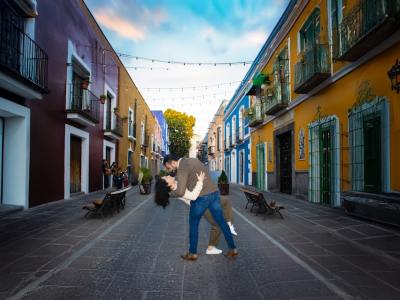
Tango is a passionate and dramatic partner dance that originated in the working-class neighborhoods of Buenos Aires, Argentina, and Montevideo, Uruguay, in the late 19th century. It is characterized by its close embrace, intricate footwork, and intense connection between partners.
Tango music typically features a 2/4 or 4/4 time signature and is played with instruments such as the bandoneon, violin, piano, and double bass. The music is often melancholic and emotive, with themes of love, longing, and nostalgia.
In tango dancing, partners move in a close embrace, with the leader guiding the follower through a series of steps, turns, and embellishments. The dance is characterized by its staccato movements, sharp changes of direction, and dramatic pauses, conveying a sense of tension and release.
Tango is danced in various styles and variations around the world, including Argentine tango, American tango, and ballroom tango. Each style has its own unique characteristics, footwork patterns, and cultural influences.
Tango dancing is not only a form of social interaction and entertainment but also a cultural expression and celebration of Argentine and Uruguayan heritage. It is enjoyed by people of all ages and backgrounds in milongas (tango dance parties), dance clubs, and cultural events worldwide.

Flamenco
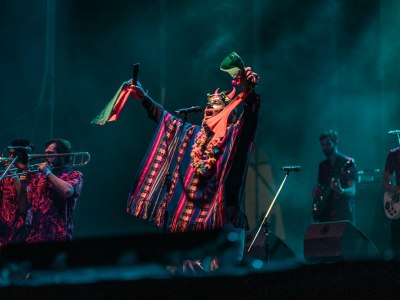
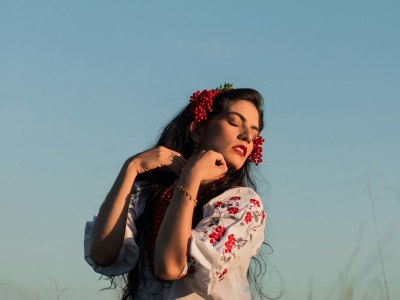
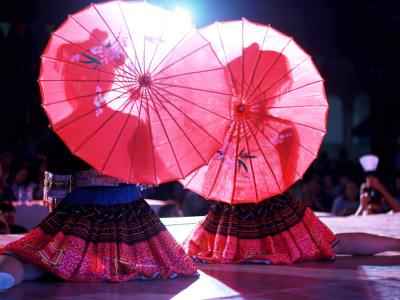
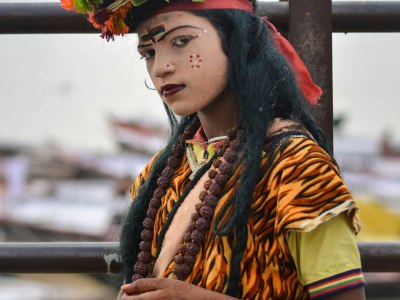
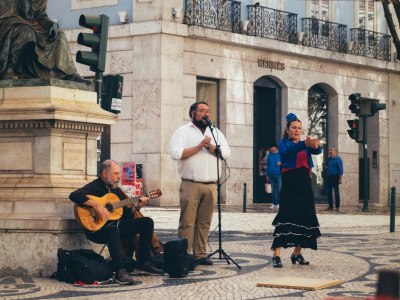
2086Flamenco is a vibrant and expressive dance form that originated in the Andalusian region of southern Spain, particularly in the cities of Seville, Cadiz, and Jerez de la Frontera. It is characterized by its passionate and emotive movements, intricate footwork, and rhythmic hand clapping, known as "palmas."
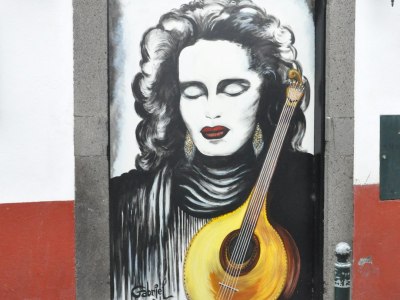
Flamenco is deeply rooted in Spanish Gypsy (Gitano), Moorish, Jewish, and Andalusian cultures, blending influences from these diverse traditions. It is a highly stylized art form that encompasses not only dance but also music (including singing and guitar playing) and poetry.



Swing
2092
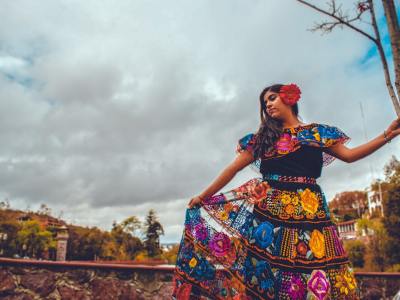
Swing dance is a lively and energetic style of dance that originated in the United States in the late 1920s and gained popularity during the swing era of the 1930s and 1940s. It is characterized by its upbeat tempo, swinging rhythm, and emphasis on improvisation and partner connection.
Swing dance encompasses a variety of styles, including Lindy Hop, Charleston, Balboa, and East Coast Swing, among others. Each style has its own unique movements and characteristics, but they all share the same joyful and dynamic spirit.
Ballroom
2320
Ballroom dance refers to a set of partner dances that are performed socially and competitively around the world. It originated in the 19th century in elite social gatherings and evolved into a popular form of entertainment for people of all backgrounds.
Ballroom dance is characterized by its structured and precise movements, elegant posture, and graceful flow across the dance floor. It encompasses a variety of styles, including Waltz, Tango, Foxtrot, Viennese Waltz, Quickstep, and more.








Belly Dance
2266
Belly dance, also known as Middle Eastern dance or Raqs Sharqi, is a traditional dance form that originated in the Middle East and North Africa. It is characterized by its fluid movements of the torso, hips, and arms, as well as intricate isolations and shimmies.
Belly dance is often performed solo, although group performances and duets are also common. Dancers typically wear elaborate costumes, including beaded and sequined garments, as well as accessories such as veils, finger cymbals (zills), and hip scarves.
Irish Dance
1793
Irish dance is a traditional dance form that originated in Ireland and has a rich history dating back centuries. It is characterized by its lively and precise footwork, rapid leg movements, and upright posture.
Irish dance is often performed solo or in groups, with dancers wearing distinctive costumes, including dresses for girls and kilts for boys, along with elaborate embroidery and accessories such as wigs, tiaras, and buckled shoes.






Breakdancing
2001Breakdancing, also known as breaking, b-boying, or b-girling, is a dynamic and acrobatic style of street dance that originated in the Bronx borough of New York City in the 1970s. It is characterized by its athletic movements, intricate footwork, and improvisational style.
Breakdancing emerged as part of the hip hop culture, which also includes elements such as graffiti art, DJing, and MCing (rapping). It was initially danced to funk and breakbeat music, with DJs looping and mixing drum breaks to create a rhythmic foundation for dancers to showcase their moves.




Krump
2016
Krump is an energetic and expressive style of street dance that originated in the early 2000s in Los Angeles, California. It is characterized by its intense movements, aggressive gestures, and raw emotion.
Krump emerged as a form of self-expression and empowerment within the urban community, providing an outlet for dancers to channel their emotions and experiences through movement. It is often danced in freestyle battles, where dancers compete against each other in showcases of skill and creativity.



Cumbia
1877
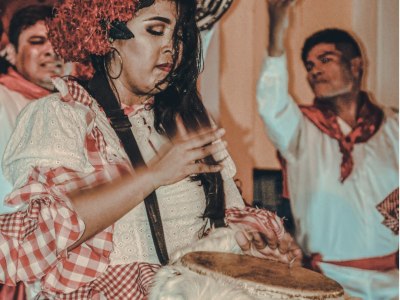
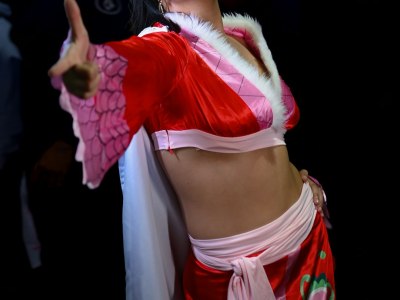
Cumbia is a vibrant and rhythmic dance style that originated in Colombia and has roots in African, indigenous, and European cultures. It is characterized by its infectious beat, syncopated rhythms, and lively movements.
Cumbia dance evolved from a fusion of indigenous Colombian dances with African and European influences, particularly during the colonial period. It was originally danced by African slaves in Colombia and later became popular among all social classes.
The dance features a distinctive swaying motion of the hips and a side-to-side stepping pattern, often accompanied by playful arm movements and spins. Cumbia can be danced as a solo or partner dance, with dancers moving in close proximity to each other in a circular or linear fashion.
Cumbia music, which typically features instruments such as drums, accordion, and guacharaca, sets the tempo and mood for the dance. It is widely enjoyed in Colombia and throughout Latin America, with regional variations and adaptations found in countries such as Mexico, Argentina, and Peru.
Cumbia dance continues to evolve and adapt, with modern interpretations incorporating elements from other dance styles such as salsa, merengue, and reggaeton. It is celebrated in festivals, parties, and cultural events, where people of all ages come together to enjoy the rhythm and spirit of Cumbia.


Zumba
1399
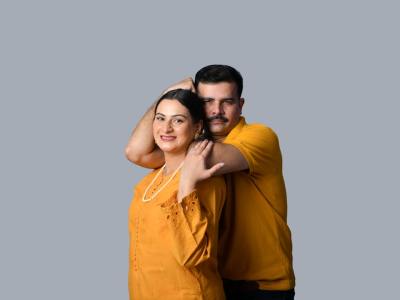
Zumba is a fitness program that combines dance and aerobic movements inspired by various styles of Latin American music and dance, such as salsa, merengue, cumbia, and reggaeton. It was created in the 1990s by Colombian dancer and choreographer Alberto "Beto" Perez.
The Zumba workout typically involves high-energy and easy-to-follow dance routines set to upbeat music, designed to provide a fun and effective cardiovascular workout. Participants move to the rhythm of the music, performing a series of dance steps and movements that target different muscle groups and increase heart rate.
Zumba classes are typically led by certified instructors who guide participants through a series of choreographed routines, incorporating elements of dance, fitness, and entertainment. Classes may vary in intensity and style, catering to participants of all fitness levels and abilities.
Zumba has gained popularity worldwide and is enjoyed by millions of people in gyms, fitness centers, and community centers around the globe. It offers a fun and social way to stay active, improve cardiovascular health, and relieve stress while dancing to the rhythm of Latin music.

**Rhythms for Your Best Zumba Class**

**Music to Move Your Zumba Soul**

5 Tips for Choosing the Perfect Zumba Outfit
Your Ultimate Guide to Zumba Footwear
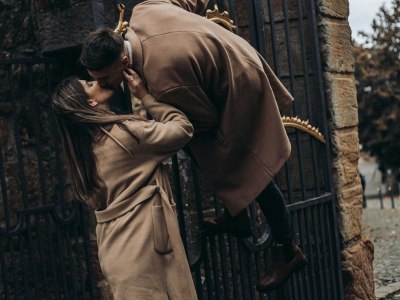

Turn Passion into Profession: Essential Tips to Start Your Journey as a Certified Zumba Instructor
From Zumba Lover to Pro: Your Step-by-Step Guide to Launching a Professional Dance Career

Lindy Hop
1521
Lindy Hop is a lively and energetic partner dance that originated in the African American communities of Harlem, New York City, during the late 1920s and early 1930s. It is characterized by its joyful and improvisational style, featuring intricate footwork, playful movements, and dynamic partner interactions.
Lindy Hop evolved from earlier dance forms such as the Charleston and the Breakaway, blending elements of African American, European, and Caribbean dance styles. It gained popularity during the swing era of the 1930s and 1940s, becoming closely associated with the big band jazz music of the time.
The dance is typically performed with a partner in a close embrace, with dancers moving in a circular or linear fashion across the dance floor. Lindy Hop features a mix of eight-count and six-count steps, as well as a variety of turns, spins, and aerials.
Lindy Hop is known for its improvisational nature, allowing dancers to express themselves creatively and interpret the music in their own unique way. It is danced socially in clubs, dance halls, and parties, as well as in competitions and performances around the world.
Lindy Hop continues to thrive and evolve, with dedicated communities of dancers preserving its rich history and tradition while also incorporating modern influences and innovations. It is celebrated for its infectious energy, community spirit, and timeless appeal.

Square Dance
1853
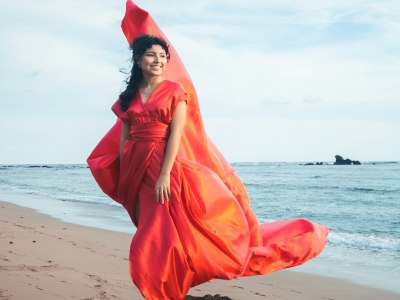
Square dance is a traditional American dance form that originated in the rural communities of the United States in the 19th century. It is characterized by its formation of four couples arranged in a square, with a caller instructing dancers through a series of figures and movements.
Square dance figures typically involve patterns such as circles, promenades, do-si-dos, and allemandes, with dancers interacting with each other and their partners in a coordinated and synchronized manner. The caller cues the figures and sequences in time with the music, guiding dancers through the dance.
Square dance music traditionally includes lively and upbeat tunes played by a live band or recorded music, often featuring instruments such as the fiddle, banjo, guitar, and accordion. The music sets the tempo and mood for the dance, providing a lively backdrop for the figures and movements.
Square dance is enjoyed by people of all ages and backgrounds and is often danced socially in community centers, dance halls, and festivals. It is also performed in competitions and exhibitions, where dancers showcase their skill and precision in executing the figures and sequences.
Despite its traditional roots, square dance continues to evolve and adapt, with modern variations and choreographies incorporating elements from other dance styles and cultures. It remains a cherished part of American folk culture, celebrated for its social interaction, sense of community, and wholesome fun.





Folk Dance
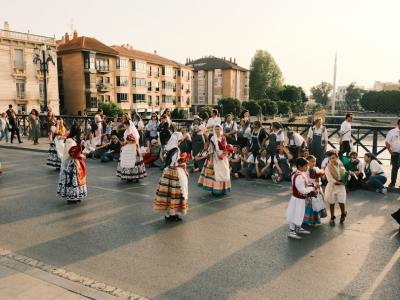
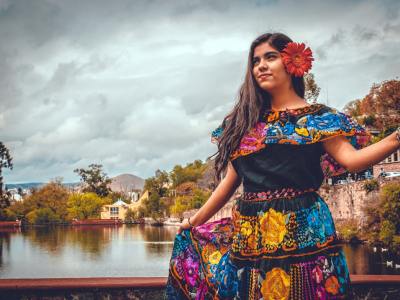
1718Folk dance refers to traditional dances that have developed within specific cultural or ethnic communities, often passed down through generations by oral tradition. These dances are typically associated with the cultural heritage of a particular region, country, or ethnic group, and they play an important role in preserving and expressing cultural identity.
Folk dances vary widely in style, music, costumes, and purpose, reflecting the diverse traditions and customs of different communities around the world. They may be performed as part of religious ceremonies, social gatherings, seasonal festivals, or rites of passage, serving as a means of celebration, storytelling, and community bonding.
Folk dances can be categorized into various types, including circle dances, line dances, couple dances, and solo dances, each with its own unique movements, formations, and cultural significance. Examples of folk dances from different regions include the Irish jig, the Greek syrtos, the Mexican jarabe, the Indian bhangra, and the African tribal dances.
While folk dances are deeply rooted in tradition and history, they continue to evolve and adapt over time, influenced by changing cultural dynamics, globalization, and artistic innovation. Today, folk dance remains an integral part of cultural heritage and artistic expression, celebrated through performances, festivals, and cultural events worldwide.



Lyrical
1600
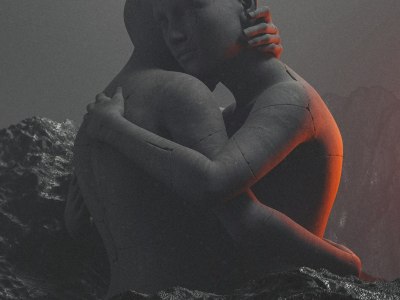
Lyrical dance is a style of dance that combines elements of ballet, jazz, and contemporary dance with expressive movements and emotional storytelling. It emerged in the late 20th century as a fusion of various dance styles, often set to music with meaningful lyrics or emotional themes.
Lyrical dance is characterized by its fluidity, grace, and interpretation of music and lyrics through movement. Dancers often focus on expressing emotions and telling a story through their choreography, incorporating elements of improvisation and personal expression.
Choreography in lyrical dance is typically characterized by its use of flowing movements, seamless transitions, and dynamic contrasts between light and shade. Dancers may perform intricate footwork, expansive gestures, and dramatic lifts, conveying a sense of vulnerability, passion, or longing.
Lyrical dance is often performed in a lyrical or contemporary ballet style, with dancers wearing soft, flowing costumes that enhance the sense of movement and expression. Performances may take place on stage, in competitions, or in dance studios, with dancers drawing inspiration from music, poetry, literature, or personal experiences.
Overall, lyrical dance is celebrated for its ability to evoke emotion, connect with audiences, and convey powerful messages through movement and music.
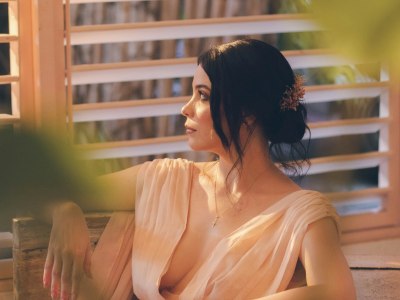




**The Perfect Playlist for Lyrical Flow**



Latin
1203
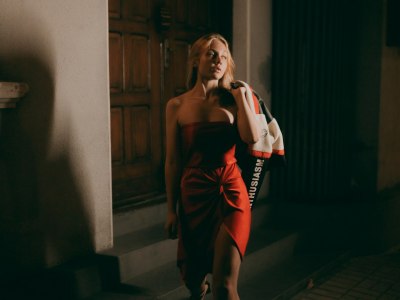
Latin Dance is a group of various dance styles that originated from Latin America. These dances are known for their vibrant rhythms and expressive movements.
Popular Latin Dance Styles
- Salsa
- Mambo
- Cha-cha
- Tango
- Rumba
Characteristics of Latin Dance
Latin dances are characterized by:
- Rhythm: Energetic and often fast-paced music.
- Movement: Expressive body language and footwork.
- Cultural Heritage: Rich history and connection to Latin American culture.
- Social Interaction: Often performed in pairs and enjoyed socially.
Latin dance has gained popularity worldwide and is enjoyed by people of all ages and backgrounds.


Capoeira
1200
Capoeira: The Dance of Warriors
Capoeira is a unique Afro-Brazilian martial art that incorporates elements of dance, acrobatics, and music. It originated in the 16th century among African slaves in Brazil as a means of self-defense and cultural preservation, disguised as a dance.
Key Features of Capoeira
- Rhythm: Capoeira is performed to the rhythm of live music, often featuring instruments like the berimbau, atabaque, and pandeiro.
- Movement: It includes fluid, acrobatic movements, flips, and kicks, often executed while in a squatting position known as the "ginga."
- Game: Capoeiristas engage in a playful and fluid "game" (jogo), where the objective is to outwit the opponent using feints and kicks without making direct contact.
- Community: Capoeira is not only a martial art but also a community activity, fostering social bonds and cultural exchange.
History and Cultural Significance
Capoeira was initially a secret practice, developed by enslaved Africans as a form of resistance and cultural expression. Over time, it became integrated into Brazilian society and is now recognized as an important part of Brazilian cultural heritage.
Today, Capoeira is practiced and enjoyed by people around the world, both as a form of physical exercise and as a way to connect with its rich history and cultural significance.

News
6064News