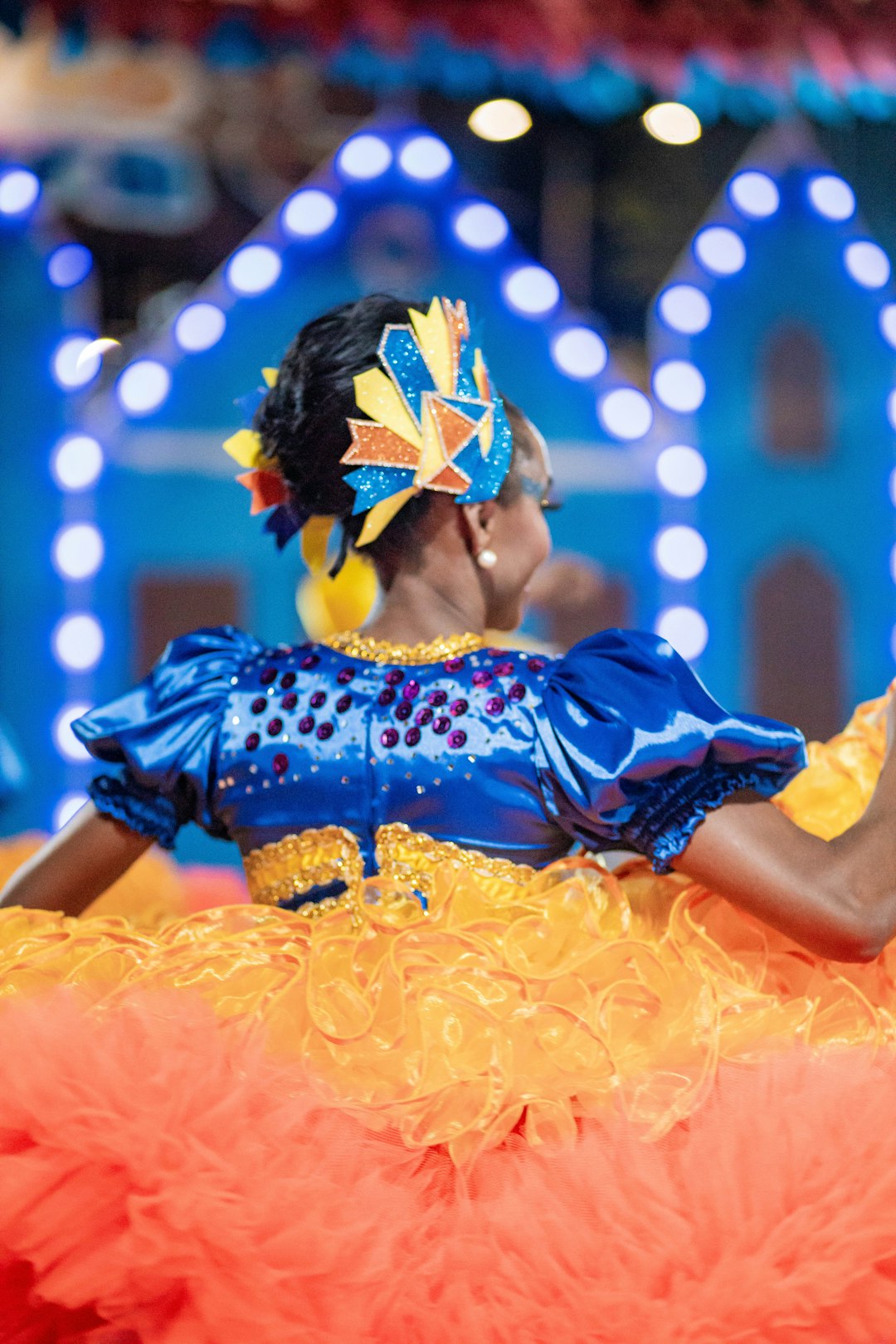
There's a moment in every flamenco class when the music shifts. Your shoulders drop, your feet find a rhythm you didn't plan, and suddenly you're not thinking about technique anymore. You're just in it. That's what the right track does—it bypasses your overthinking brain and speaks straight to your spine.
The Guitar Masters Who Built the Foundation
Paco de Lucía's "Entre Dos Aguas" is where most dancers fall in love with flamenco guitar. The piece moves like a conversation—guitar notes trading places, building tension, releasing it. When I first heard it in a studio in Seville, the teacher stopped mid-class and said, "Listen. That's not music. That's a storm coming." She wasn't wrong. The rhythm shifts keep you guessing, which makes it perfect for footwork practice. Your feet have to stay alert.
Vicente Amigo took that tradition and bent it somewhere new. His "Bulerías" has these rapid-fire patterns that sound almost electronic, except it's all acoustic. Advanced dancers love this one because it forces you to trust your body. There's no time to plan your next move—you just go.
And then there's Manolo Sanlúcar's "Zapateado," which is basically a dare. The tempo climbs and climbs, and your feet either keep up or they don't. It's the track teachers pull out when they want to see who's been practicing.
Voices That Stop You Cold
Camarón de la Isla didn't sing flamenco. He was flamenco. His "Alegrías" carries this raw, almost reckless joy that makes you want to throw your arms wide and spin until you're dizzy. The song celebrates life the way only someone who's known real hardship can.
Enrique Morente's "Soleá" goes the opposite direction. It's slow. It's heavy. It asks you to stay in one place and feel something uncomfortable. That's harder than it sounds—most of us want to move fast and avoid the stillness. This track teaches you that sometimes the most powerful movement is the one you hold back.
Estrella Morente, Enrique's daughter, carries that emotional weight differently. Her "Tangos de Granada" pulses with energy, her voice riding waves of rhythm that make standing still impossible. There's a fierceness there that runs in the family.
The Tracks That Bridge Worlds
The Gipsy Kings made flamenco accessible to people who'd never set foot in a tablao. Their "Rumba Flamenca" gets dismissed by purists, but here's the thing—it gets people dancing. And isn't that the point? The rhythm is infectious, the melody sticks in your head for days, and it's a gateway. Plenty of serious flamenco dancers started with this song and worked backward into the deeper stuff.
Sabicas was doing crossover before it had a name. His "Guajiras" blends Cuban influences with pure flamenco technique, and the result sounds like sunlight. It's elegant without being precious—a rare combination.
Carmen Linares' "Fandangos de Huelva" anchors everything in tradition. Her voice has this quality that makes you feel like you're sitting in someone's kitchen in southern Spain, listening to stories passed down through generations. The steady tempo gives you room to breathe and connect with what flamenco actually means—not the showy performance version, but the living, breathing art form.
Build Your Own Relationship With the Music
Tomatito's "Taranta" closes this list because it's the one you sit with alone. The melancholy doesn't hit you over the head—it seeps in slowly, like smoke. This is the track for late-night practice sessions when the studio is empty and you're dancing for nobody but yourself.
Start with whichever song pulls you. Listen to it three times before you dance—once for the melody, once for the rhythm, once for whatever emotion it stirs up in your gut. Then press play and stop thinking.
Flamenco doesn't care about your five-step plan. It just wants your honesty.