The Beat That Hooks You
The first time I saw a roda—the circle where capoeira happens—I couldn't tell if I was watching a fight, a dance, or something entirely its own. Two players spun and kicked, missing each other by inches, all while a berimbau set the rhythm. That's the magic of capoeira. It's martial arts disguised as dance, or maybe dance disguised as self-defense. Either way, Courtenay has a surprisingly solid scene for something that originated across the ocean in Brazil.
Axé Capoeira Courtenay: Where Tradition Lives
Walk into Axé on a Saturday afternoon and you'll hear the berimbau before you see anyone moving. Mestre Carlos has been teaching for two decades, and he runs his studio like a cultural hub, not just a gym. The guy learned capoeira in Bahia, Brazil—where it all started—and he brings that authenticity to every class.
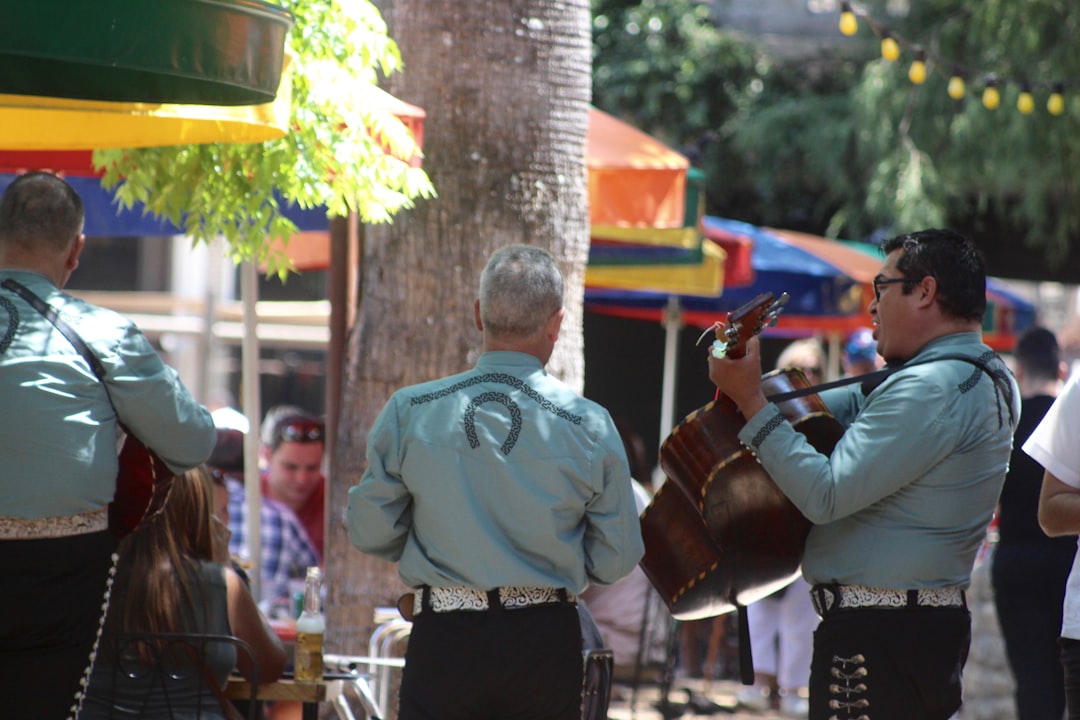
What strikes me about this place: live music accompanies training. Not recorded tracks. Actual instruments played by students who learn the songs alongside the kicks. Their Saturday roda draws people from neighboring towns.
Free trial week lets you test the waters. Kids' classes run alongside adult sessions, so families often train together.
Capoeira Fusion Academy: For the Fitness-Minded
Not everyone connects with tradition first. Some people want to sweat, build agility, and learn something cool along the way. That's Luiza's approach. She stripped away the ceremonial elements and built high-intensity classes around capoeira's most practical movements.
Expect meia-lua de frente kicks woven into cardio circuits. Expect to be sore the next day. Don't expect long lectures on history.
They also offer virtual classes—a solid option if your schedule's unpredictable or you're shy about training in front of others initially.
Cordão de Ouro: The Goal-Getter's Choice
Part of an international network with standardized belt rankings, this school appeals to people who want measurable progress. You earn your corda (cord belt) through demonstrated skill, and the path is clear.
The sprung floor matters more than you'd think. Capoeira involves a lot of ground work and acrobatics—floreios—and a hard floor takes a toll on joints over time. This studio invested in proper flooring.
Each year they host a Batizado, a festival where students play against visiting mestres from Brazil and Europe. It's part graduation, part celebration, part baptism by fire.
Roda Livre: Pure Community Energy
No fees. No uniforms. No hierarchy. Just a group that meets in Riverside Park when weather allows, trading moves and teaching each other.
Beginners get pulled in gently. Advanced players don't show off—they play at your level. After training, someone always brings food. Samba music from a portable speaker. A picnic vibe that somehow still involves serious training.
This is capoeira at its most democratic. Show up, move, learn, eat.
Which One Fits You?
Here's the thing: capoeira works best when you keep coming back. The "best" school is whichever one makes you want to return. Drop into a roda at each place. Watch. Listen to your gut. Courtenay's scene is small enough that you'll recognize faces within weeks—and that's part of the draw. You're not just joining a class. You're joining a community.