---
There's that moment at a party or cipher—when someone steps into the circle and the crowd goes quiet. You can't explain it, but something shifts. These are the moves that do that. The ones that make phones come out, that get other dancers nodding, that make you suddenly conscious of your own two left feet.
Here's the breakdown of five moves that have that effect—and why they still work no matter what's trending.
1. The Bitcoin (Body Control)
No, not the crypto. The Bitcoin is that sharp, stop-start isolation where your body hits a wall of silence mid-movement and hangs there for half a beat before snapping into the next motion. Like someone hit pause on your remote.
It comes from the isolationalists—think of how Popping and Locking evolved in the 70s and 80s, those Funkify styles where every muscle worked independently. The key is knowing when to pause. That's what separates someone who looks like they're fighting the music from someone who becomes the music. Try this: move to the beat, then stop dead on the "-one" of a four-count. Hold. Then hit the next note hard.
You'll know it when you see it because suddenly everyone's paying attention.
2. The Wrist Flip (Freestyle Weapon)
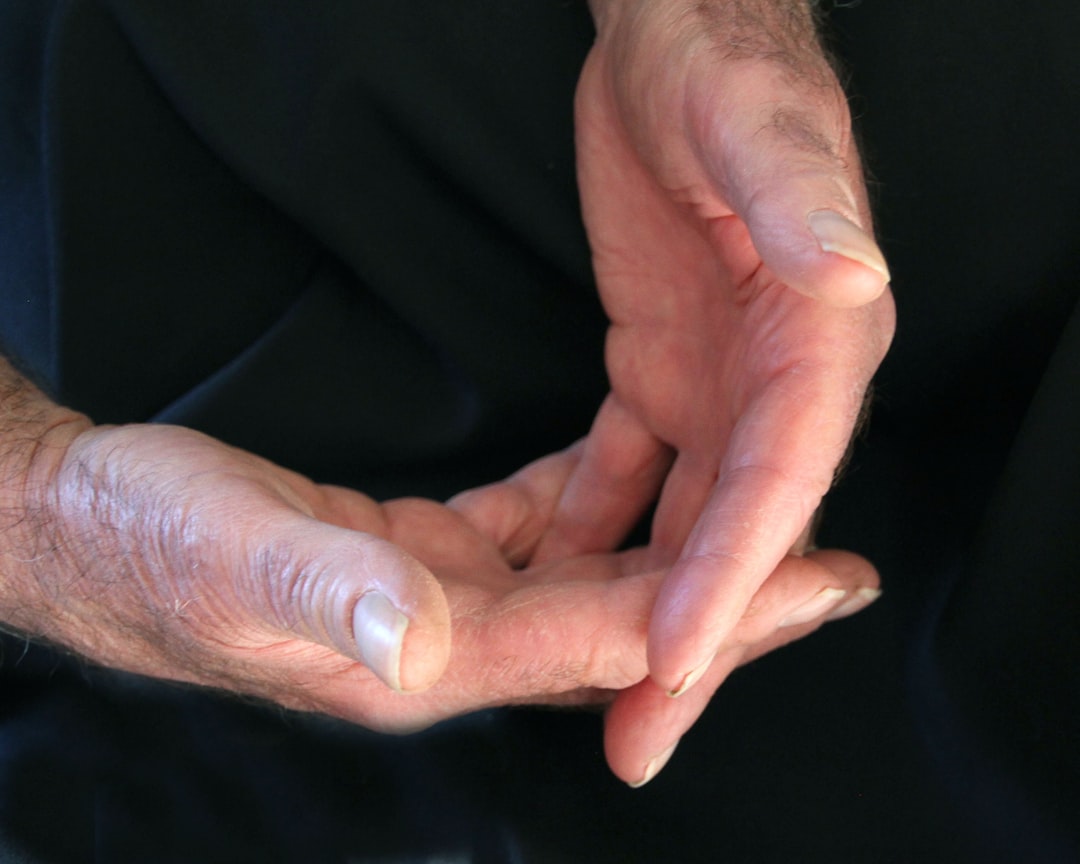
This one looks simple—so simple that new dancers underestimate it. But a clean wrist flip, where your hand rolls over and your fingers flick the wave out like you're shaking off water, carries more swagger than most elaborate sequences.
It goes back to the OG b-boys and b-girls who couldn't afford studio time. They practiced on cardboard, on street corners, in school gyms. A wrist flip at the right moment says, "I didn't have to train for this—I was born with this." That's the energy.
The trick is making it look effortless. If you're trying, you're doing too much. Let it happen on a natural musical phrase—the end of a phrase, the moment the bass drops. That's when it lands.
3. The Bounce-Walk (Foundation)
Here's the thing nobody tells beginners: you could know every move on this list and still look lost if your bounce-walk is weak. The bounce—the subtle knee-bounce that keeps you connected to the ground, to the beat, to the moment—is the backbone of everything.
James Brown didn't just say it. He lived it. That call-and-response between his body and the groove, that conversation happening below your conscious thought—that's what you're watching when someone dances and it looks like they're not thinking at all.
You work on this by forgetting you're working on it. Put on something with a heavy groove—something old school, something with actual bass—and just walk. Let your knees talk to the beat. After a while, you stop thinking about it and your body takes over. That's when you know you're getting somewhere.
4. The Figure-4 (Thread the Needle)
This one's deceptive. You see it and think, "Oh, that's just turning my arms around each other." And then you try it and realize you've been doing it wrong your entire life.
The Figure-4 is thread-the-needle where your arms cross and uncross in a continuous figure-eight, but here's the part that matters: your body stays grounded while your arms do all that work. It's the contradiction that makes it beautiful—immobile center, flowing extremities.
This move belongs to the liquid dancers, the ones who made their bones in the era when stretching was as important as popping. Think about the way water moves around a rock. That's the image. Your arms are the water. The body's the rock. Practice slow. Then speed it up on an eight-count. The contrast is what makes people's jaws drop.
5. The Go-Down (Commitment)
This isn't a move you do alone. It's a move you do in a circle, in a cipher, when it's you and the floor and everyone watching. The go-down is exactly what it sounds like—you drop low, sometimes all the way to the floor, and you own that depth.
It comes from the ciphers where you'd earn your spot. You'd step in, do your thing, and either the crowd responds or they don't. The go-down was a statement: "I came to work. Are you ready to match this?"
The fear is what makes it powerful. You have to commit without knowing what comes after. That's the trust fall. You drop, and your body figures out the rest. Some of the best dancers in history invented whole styles because they had nowhere to go after their go-down except forward.
---
These moves work because they always have. They predate your favorite dancer's favorite dancer. The energy they carry doesn't fade with trends because they're not following trends—they create them, or they ignore them entirely.
Watch someone who has these in their body. You'll know the feeling. It's that thing that makes you want to step in the circle and find out what's in your own body.