Why the Right Track Changes Everything
I remember the first time I danced to live Balkan brass — my feet just knew what to do. That's the thing about folk dance: the music isn't background noise. It's the heartbeat. Get the pairing wrong and you're counting steps. Get it right and you're flying.
So here are five styles worth exploring, whether you've been dancing for years or you're just getting started.
Irish Jigs and Reels
There's a reason Irish pubs empty out when a good session starts. The fiddle kicks in, the tin whistle follows, and suddenly everyone's tapping. The Chieftains and The Dubliners built entire careers on music that refuses to let you sit still. The tempo is relentless — perfect for the sharp footwork Irish dance demands. If you want to practice precision, throw on a reel and try keeping up.
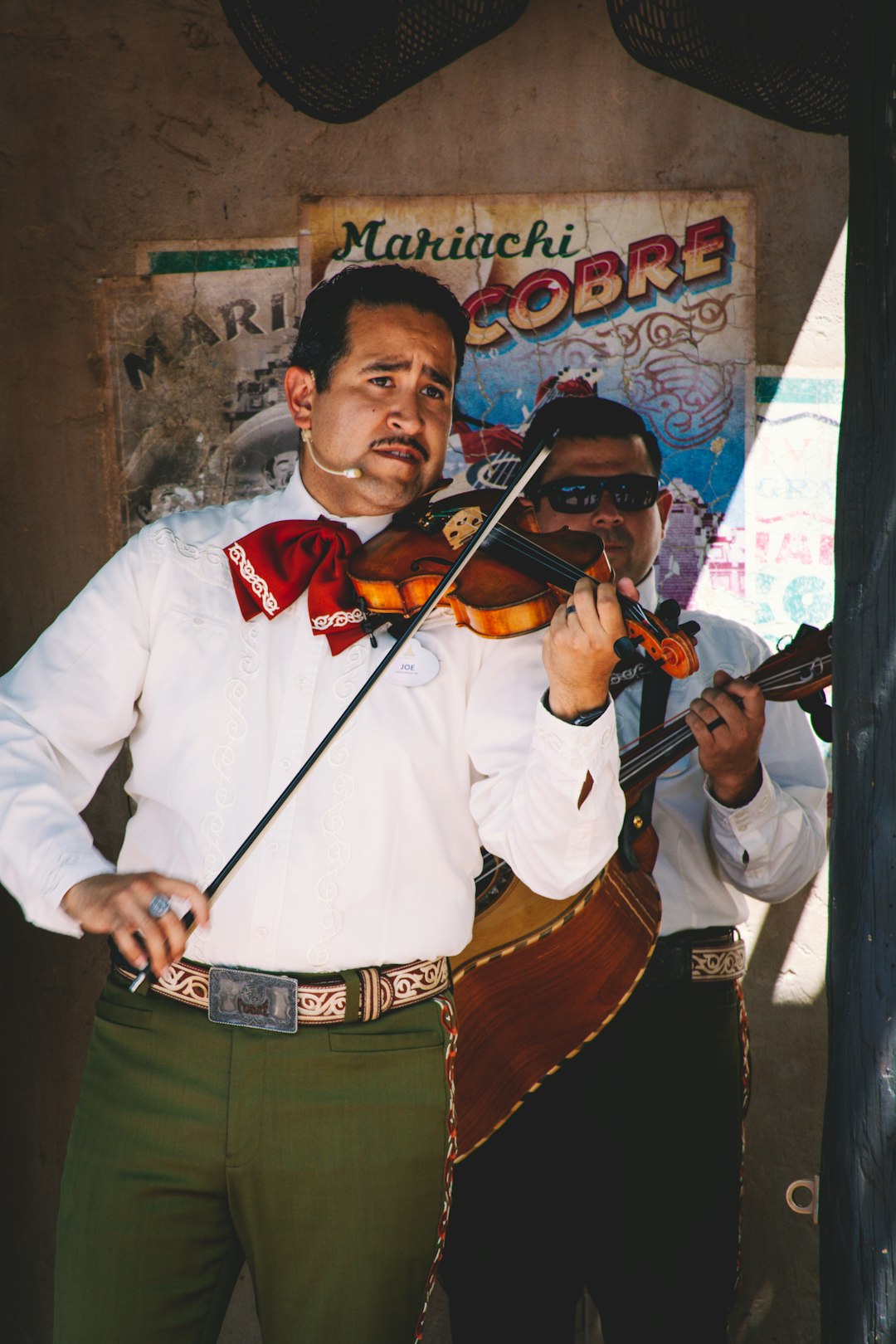
Balkan Brass
Fanfare Ciocărlia. Boban Marković Orkestar. Say those names out loud and you can almost hear the tubas. Eastern European brass bands hit different — loud, joyous, unapologetic. The kolo and hora come alive under that wall of sound. What I love about this music is how it builds. It starts tight, then explodes. Your whole body responds.
Flamenco Guitar
Paco de Lucía could make a guitar weep and shout in the same measure. Flamenco isn't background music — it's a conversation between the player and the dancer. The palmas (hand claps) set the rhythm, the guitar tells the story, and your arms and feet answer. Tomatito carries that same fire. If you crave drama and emotion in your movement, this is where you start.
Klezmer
Here's one people overlook. Klezmer music — rooted in Ashkenazi Jewish tradition — swings between joy and melancholy, sometimes in a single phrase. The Klezmatics and Brave Old World blend old-world clarinet wails with modern energy. It's celebration music, the kind you'd hear at weddings where nobody sits down. The phrasing is loose enough to play with, tight enough to follow.
West African Drumming
Forget everything you think you know about rhythm. West African drumming operates on layers — djembe, dundun, bells all weaving together into something that hits your chest before your ears. The call-and-response structure means the drum speaks and your body answers. Groups rooted in this tradition create rhythms so complex they make four-on-the-floor feel like a children's game. Even if you've never tried this style, give it five minutes. You'll move.
One Last Thing
Don't overthink the pairing. Put the music on. Close your eyes. Let your body find the rhythm before your brain starts analyzing steps. Folk dance wasn't invented in studios — it was born in kitchens, fields, and village squares where the only rule was to move.
Find your track. Press play. See what happens.