The Night That Changed Everything
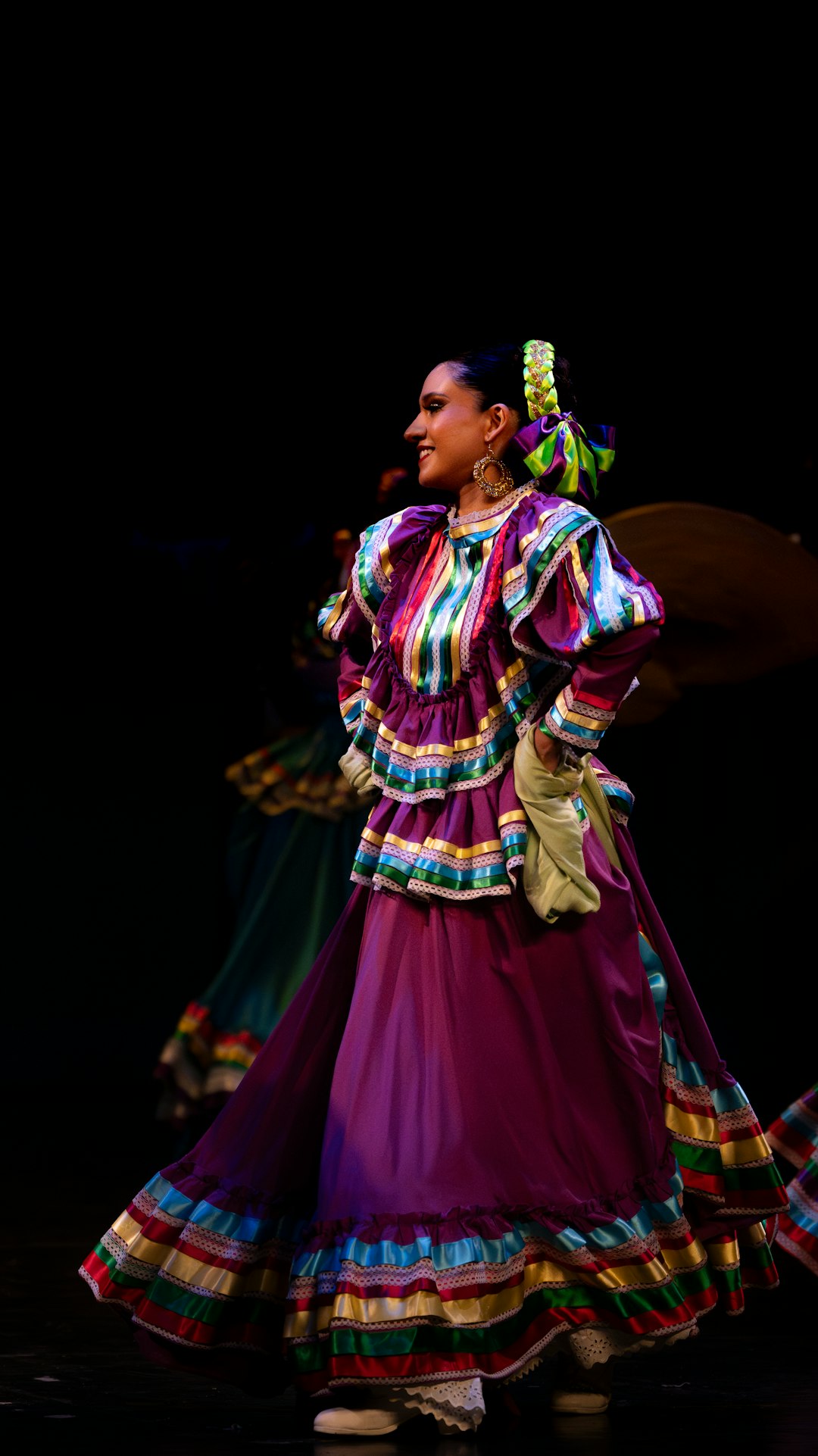
Maria hadn't planned on falling in love with tango. She'd walked into that beginner class at Linda City Tango Academy just to appease her New Year's resolution—a gym membership felt too boring, and salsa seemed too cheerful. But when the instructor paired her with Carlos, a fifty-something Argentine immigrant who'd been dancing since he could walk, something clicked. The way he led her through a simple ocho, the trust required to move backward without watching—she was hooked by the second song.
That's the thing about Linda City's tango scene. It doesn't mess around. You walk in curious; you leave obsessed.
Where You Actually Learn Something
The Linda City Tango Academy sits in a converted warehouse downtown, and the place shows its age—in a good way. Those worn wooden floors? They've absorbed thousands of hours of practice. The mirrors lining the walls have witnessed countless beginners discover their hips don't, in fact, move independently of their shoulders (a harsh but necessary lesson). What sets this place apart is how they handle the transition from "I have two left feet" to actually dancing socially. The beginner workshops run six weeks, and by week four, you're not just learning steps—you're learning how to listen to your partner through movement.
Carlos still teaches there on Tuesdays. Tell him Maria sent you.
The Studio That Gets You
Not everyone walks into a dance studio ready to commit. Maybe you're nursing a breakup, or your doctor told you to find "low-impact cardio," or you watched Take the Lead one too many times. Passionate Steps Dance Studio gets it. They've built their reputation on meeting people exactly where they are—and that includes the skeptics.
Their beginner tango series emphasizes what they call "emotional technique." Sounds woo-woo, right? But here's the thing: tango is half technical skill, half...vulnerability. You're chest-to-chest with a stranger, navigating a crowded floor, trying to look effortless. The instructors here—particularly Jenna, who came from a ballroom background and understands the terror of looking uncoordinated—have a gift for making you forget you're being watched.
Private lessons run about $80 an hour, but the Wednesday night practica (that's practice session for the uninitiated) is free. Show up. Mess up. Try again.
For Those Who Learn Differently
Some people need structure. Others need rhythm pounded into their muscle memory through repetition. And some—let's be honest—need to learn in their pajamas before they'll try anything in public.
Rhythm & Motion Tango School cracked the code with their hybrid model. Group classes run Monday through Thursday evenings, but they've also built a genuinely useful online curriculum. Not just "watch this video and figure it out"—actual feedback loops where you submit practice videos and instructors respond with specific corrections. "Your weight isn't fully committed on your pivot." "You're anticipating the lead instead of waiting for it." That kind of specific, personalized feedback usually costs a fortune in private lessons.
The founders, a married couple who met at a milonga in Buenos Aires, teach most of the advanced classes themselves. Their chemistry is apparent—watch how they demo a move, and you'll understand what 20 years of dancing together looks like.
When Tradition Meets "What If"
Here's an uncomfortable truth: traditional Argentine tango can feel...rigid. The music. The codigos (unwritten rules). The hierarchical milongas where beginners dance with beginners while the "good" dancers ignore everyone else.
Tango Fusion Studio said: what if we didn't do that?
They teach traditional technique—make no mistake, you'll learn proper posture, embrace, and navigation. But they also experiment. Tango to non-traditional music. Elements of contemporary and jazz woven into sequences. A hip-hop fusion class that sounds insane until you see the final performance and realize it somehow works.
The younger crowd dominates here, but don't let that fool you into thinking it's superficial. The technical foundation is solid. They just believe tango should evolve—or at least, that it's okay to ask questions.
Where You Stay
The Tango Collective operates out of a community center on weekends, which tells you everything about their priorities. They're not trying to be exclusive. They're not selling a lifestyle. They're building a community.
Every Saturday, the afternoon workshop feeds directly into the evening milonga. Stay for both, and you'll practice what you just learned with the people you just learned with—the instructor stays to dance, answer questions, and occasionally rescue beginners from awkward situations on the floor.
Monthly membership runs $60 and gets you into everything: classes, practicas, milongas, the Sunday afternoon outdoor sessions in the park when weather permits. It's the closest thing Linda City has to a tango family, and families have arguments, favorites, drama—but they also show up for each other.
Last month, a regular tore his ACL. The community organized meal trains, ride shares to doctor's appointments, and a GoFundMe for medical expenses. That's not a dance studio. That's a tribe.
So, Where Do You Start?
If you want rigorous training with world-class instructors, start at the Academy. If you need emotional support with your technique, try Passionate Steps. If online learning or hybrid flexibility appeals to you, Rhythm & Motion has you covered. Curious about pushing boundaries? Tango Fusion. Want to belong somewhere? The Collective.
Or do what Maria did: pick the one closest to your apartment. The first step is showing up. The obsession comes later—usually around the third time someone leads you through a perfect gancho, and you realize you've stopped thinking about your feet entirely.