A Guide to Choosing Contemporary Attire
In contemporary dance, clothing is never just fabric. It is an extension of the body, a collaborator in movement, and a visual language that speaks before a single step is taken. Unlike the rigid uniformity of ballet or the structured lines of ballroom, contemporary dance attire is a realm of poetic possibility. Choosing the right pieces is about finding your second skin—a layer that reveals, transforms, and liberates.
The Philosophy of the Second Skin
Contemporary dance thrives on authenticity and expression. Your attire must facilitate this. It begins with understanding the dialogue between body and fabric. Does the material fight you, or does it flow with you? Does it hide your line, or does it reveal the architecture of your movement? The goal is a symbiotic relationship where you forget you're wearing anything at all, allowing the audience to focus solely on the story you're telling with your body.
Key Considerations: Beyond Aesthetics
1. Fabric & Feel: The Tactile Dialogue
Breathable & Fluid
Look for natural fibers like cotton, linen, and bamboo, or high-quality technical blends that wick moisture. Jersey, silk crepe, and lightweight rayon are classics for a reason—they move with a beautiful, gravitational pull.
Texture & Weight
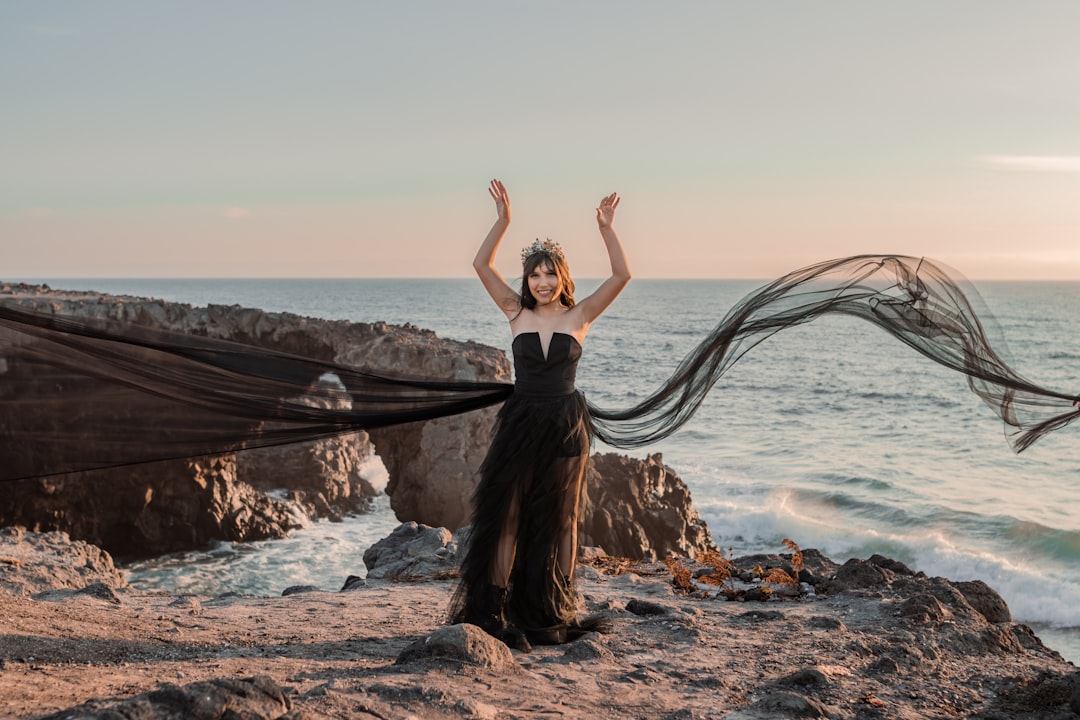
A heavier linen can create dramatic, sculptural shapes, while a light chiffon can emphasize ethereal lightness. Consider how the texture reads on stage: matte fabrics absorb light and feel grounded, while slight sheens catch the eye and highlight motion.
2. Silhouette & Line: The Visual Poetry
Contemporary dance celebrates all body types and lines. Your clothing should honor your unique form.
- High-Waisted, Wide-Leg Pants: Create an endless leg line and are perfect for floor work, offering both coverage and dramatic flair.
- Unitards & Leotards: The ultimate canvas. They provide a seamless line, allowing every contraction and spiral to be visible. Look for interesting cut-outs, asymmetrical necklines, or open backs.
- Layered Looks: A simple tank over a unitard, a wrap skirt, or a detachable sleeve can add narrative depth and allow for transformation mid-piece.
3. Color & Psychology: The Unspoken Narrative
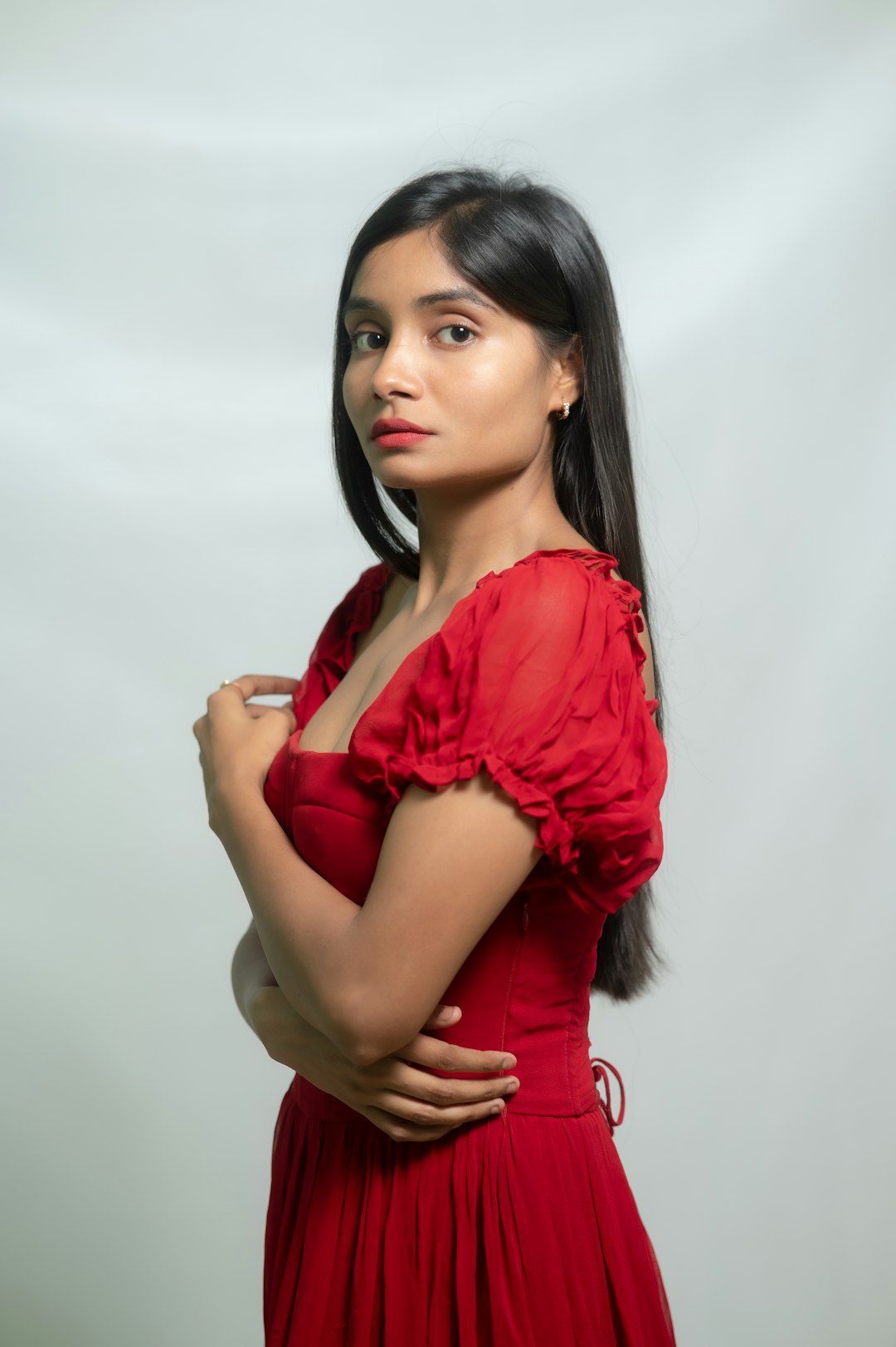
Color sets the emotional tone. Earthy tones (clay, moss, ochre) feel organic and grounded. Monochromes (black, white, grey) focus attention on form and contrast. Pastels or bold hues can evoke specific moods or characters. In 2026, we're seeing a move towards sustainable, plant-dyed colors and intelligent fabrics that change hue under different lighting.
Building Your Contemporary Wardrobe: Essentials
- The Foundational Unitard: Invest in one impeccable, perfectly fitting unitard in a neutral color. This is your base layer for everything.
- Statement Legwear: Two pairs of high-quality pants—one fluid and wide, one more fitted like a cigarette pant or leggings.
- Versatile Tops: A selection of tanks, long-sleeve tops with thumbholes, and a loose-fitting mesh or net top for layering.
- The Transformative Layer: A large scarf, a wrap skirt, or an oversized shirt that can be used as a prop or a quick costume change.
- Footwear (or lack thereof): Decide between barefoot, foot thongs, or contemporary half-soles based on the floor and the required grip.
The Final Check: Before You Step Into the Studio or On Stage
Move. Really move. Do your deepest lunges, your fullest spirals, your fastest turns. Does the fabric ride up or bind? Can you see the movement clearly in the mirror? Does it make you feel like the dancer you are? Your second skin should pass this test. If it distracts you, it will distract your audience. The perfect contemporary attire disappears on you, so all that remains is the dance.