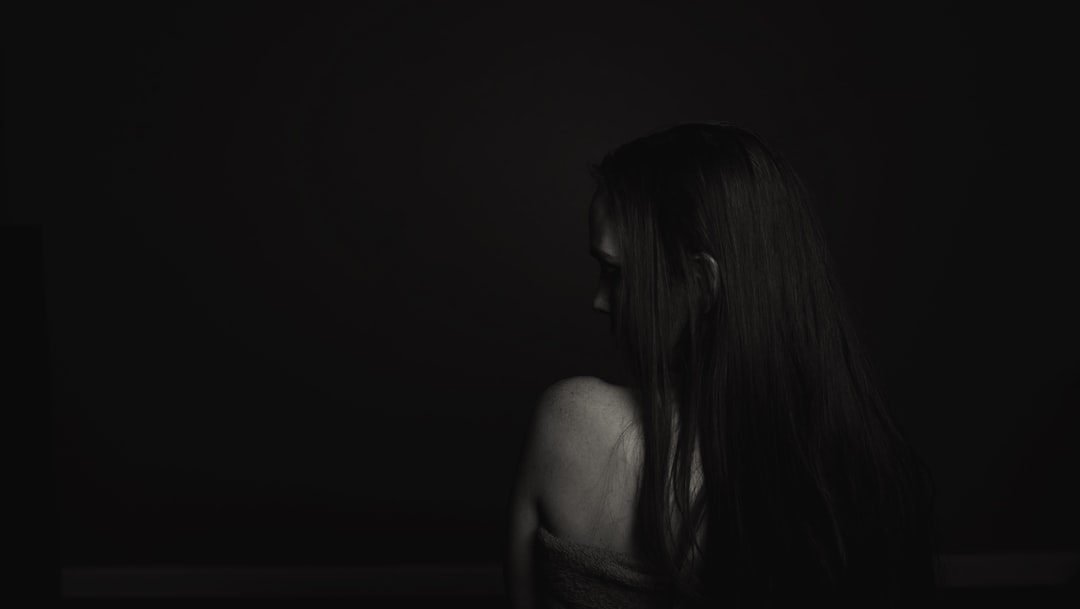
Exploring the Softer, Storytelling Side of Irish Dance
When most people hear "Irish dance," their minds instantly conjure images of rapid-fire footwork, rigid torsos, and the spectacular, synchronized spectacle of shows like Riverdance. But there exists a quieter, more profound dimension to this art form—one woven with emotion, myth, and whispered history.
For centuries, Irish dance has been a language. Before it was a competitive sport or a global phenomenon, it was a means of communication and community expression. The hard shoe gets the applause, but it's often in the soft shoe, the subtle gestures, and the sean-nós ("old style") traditions where the soul of the story resides.
The Language of the Soft Shoe
Look beyond the reel and the light jig. Dances like the slow air or certain sean-nós steps are where narrative flourishes. Here, the dancer is not just a percussive instrument but an interpreter. The arms, though still often disciplined, may soften. The focus shifts from vertical height to fluid, grounded movement. A tilt of the head, a lingering pause, a gentle turn—each becomes a word in a silent sentence.
This style connects directly to the sean-nós tradition of Connemara and other Gaeltacht regions. Danced intimately, often in kitchens or pub corners, it's improvisational, close-to-the-earth, and deeply personal. The dancer tells their own story or interprets the lament of a slow air played on the uilleann pipes, their feet tracing sorrow, longing, or joy directly onto the floor.


Dancing the Myths: Céilí as Community Story
The group dances, the céilí and figure dances, are living storybooks. Patterns are woven and unwoven as dancers move through arches, swap partners, and form intricate shapes. These formations aren't arbitrary; they are echoes of ancient Celtic symbolism—the winding of the spiral, the crossing of paths, the circle of community.
Dances like "The Waves of Tory" or "The Bridge of Athlone" often commemorate local histories, legends, or geographical features. The dance becomes a moving tapestry, recounting tales of invasion, resilience, or love without uttering a single word. It's participatory storytelling, where every dancer is both narrator and character.
Did you know? Many traditional set dances, performed in hard shoes but rich in mime, have literal narratives. "The Blackbird" mimics the bird's movements, while "The Job of Journeywork" can depict the actions of a tradesman. The story is in the character of the steps.
The Modern Evolution: Choreography as Narrative
Today's contemporary Irish dance companies are fully embracing this storytelling heritage. Troupes like Teaċ Daṁsa (formerly Fabulous Beast) or individual choreographers are deconstructing the form. They blend traditional steps with modern dance, use evocative costuming and staging, and directly tackle themes of emigration, conflict, identity, and ecology.
In these works, the rigid torso might bend in grief. Arms might reach, push, or cradle. The relentless rhythm might break into silence. The dance becomes a powerful theatrical vehicle, proving that the technique born from the jig is capable of expressing the full spectrum of human experience.
Finding the Story
How can you, as a viewer, learn to see this? Listen first to the music. Is it a driving reel or a mournful air? Watch the dancer's eyes and the set of their shoulders. In a group piece, watch the patterns, not just the individuals. Seek out the older styles, the local céilí, the solo performances in smaller venues.
Irish dance is a tree with deep roots. The dazzling, competitive world of feiseanna and championships is one mighty branch. But another branch reaches back into the misty soil of myth, memory, and emotion. It's in the quiet, fluid moments, the shared patterns of the céilí, and the innovative contemporary works that the ancient art of storytelling through movement continues to breathe and evolve.
So next time you watch, let your ear follow the melody as much as the rhythm. You might just hear a story, told not with words, but with the whisper of a brush, the sigh of a slide, and the heartbeat of a people, kept alive in the dance.