Remember when "global hip hop" meant a foreign rapper spitting over a boom-bap beat? Throw that map away. The coordinates have been scrambled. We're in a new era where the very DNA of hip hop—the beat, the flow, the style, the struggle—is being spliced with sonic codes from every corner of the planet, not as a novelty, but as the core evolutionary path.
The underground was always the laboratory. But now, the experiments born in the basements of Lagos, the apartments of Seoul, the favelas of São Paulo, and the banlieues of Paris aren't just bubbling under. They're dominating algorithms, filling arenas, and setting the aesthetic agenda. This isn't crossover. This is fusion at the atomic level.
Look at the charts. You hear Santan Dave weaving intricate UK drill with Nigerian highlife guitar licks. You see Bizarrap turning his Argentine studio into a global hip hop embassy, crafting viral anthems that blend reggaeton dembow with trap and rap. Awich from Okinawa threads traditional Japanese melodies with thunderous 808s, narrating stories that resonate from Tokyo to Toronto.
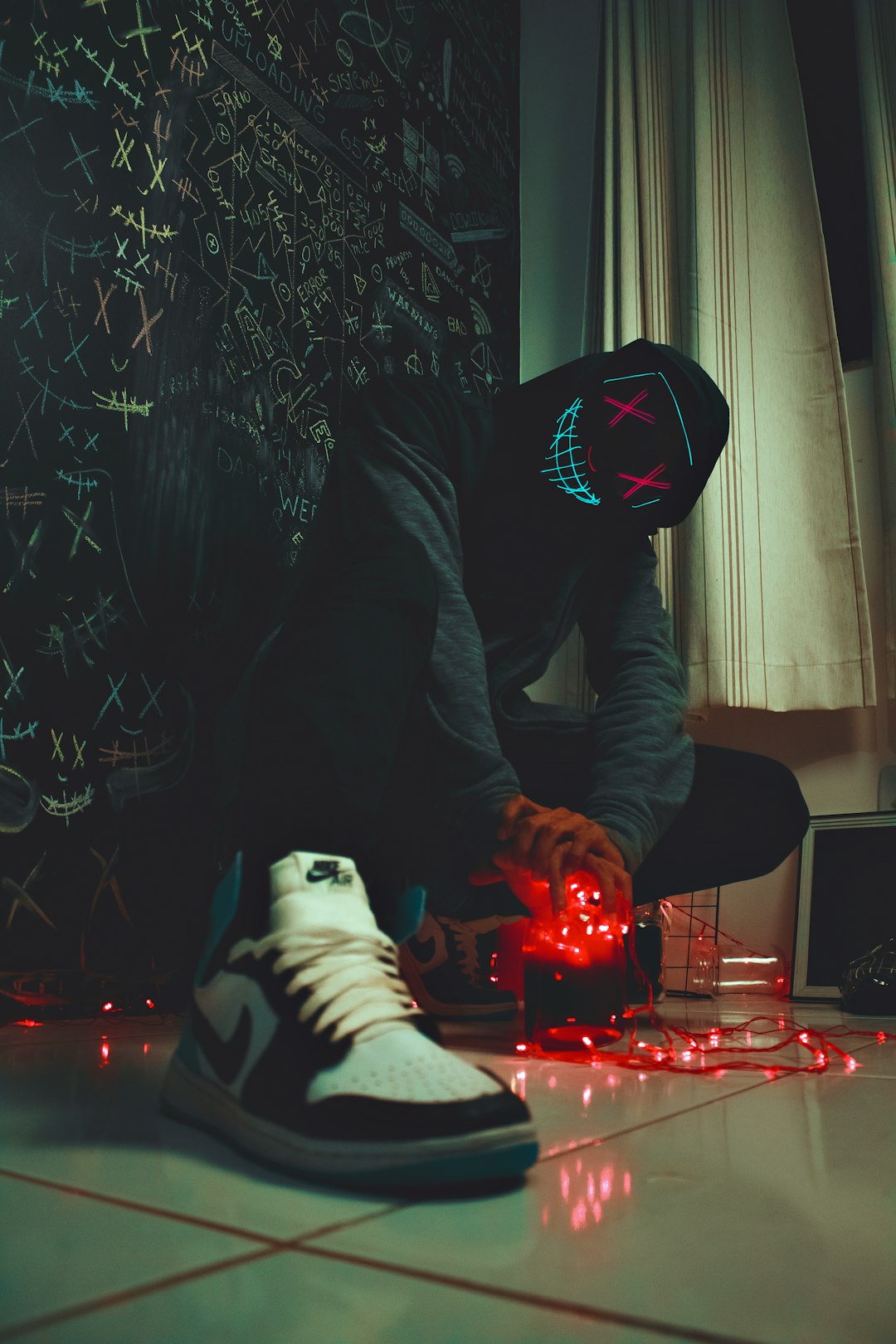
The sound is only half the story. The style—once dictated by a few coastal American cities—is now a hyper-local, globally shared language. The baggy silhouettes of Korean hip hop (K-Hip Hop), the vibrant Ankara prints worn by African rappers, the techwear-infused looks of European collectives—they're all part of hip hop's visual lexicon. The "streetwear" crown is now shared by a dozen capitals.
This movement is powered by a digital diaspora. A kid in Mumbai doesn't just listen to Travis Scott; they deconstruct his sound, then rebuild it with classical Indian tabla rhythms (Desi Hip Hop) and their own slang. They upload it. It trends in Indonesia. A Polish producer adds a folk melody sample. The loop is infinite. The gatekeepers? They're still looking for the gate.
But with fusion comes friction. Purists cry dilution. They ask, "Is this still hip hop?" The answer echoing back from this global generation is a defiant, nuanced "Yes, and..." Yes, it respects the pillars—the rhythmic spoken word, the innovation, the defiance. And it expands them. The "and" is Amapiano log drums. The "and" is Arabesque strings. The "and" is Dancehall patois flowing over a drill beat.
This is the new mainstream. A mainstream without a center. The biggest hip hop song in the world right now might be in Spanish, French, or Korean. It might have no chorus, or a chorus sung in a style centuries old. The artists leading this charge—the Tylers, the Creators of the world who treat genre like a buffet, the Rico Nastys who fuse punk and dancehall, the M.I.A.s who predicted it all—are not outliers. They are the blueprint.
The journey from underground to mainstream is no longer a straight line from the block to the Billboard. It's a web, a network, a sonic internet where a sound can incubate in a specific locale and go global overnight. Hip hop, the ultimate adaptive culture, has done it again. It hasn't been conquered by the world. It has conquered the world by becoming the world.
The mic is being passed. And it's being passed to a cypher that speaks in every language, powered by every rhythm, dressed in every flag. The underground was the seed. The fusion is the flower. And the sound? It's everything, everywhere, all at once.