The recent announcement that The Washington Ballet is moving its "Cinderella" production from the Kennedy Center has sent ripples through the local arts scene. While some may see this as a step down or a logistical headache, I see it as a potentially brilliant and necessary evolution. This isn't just a change of venue; it's a statement about accessibility, community, and the future of dance.
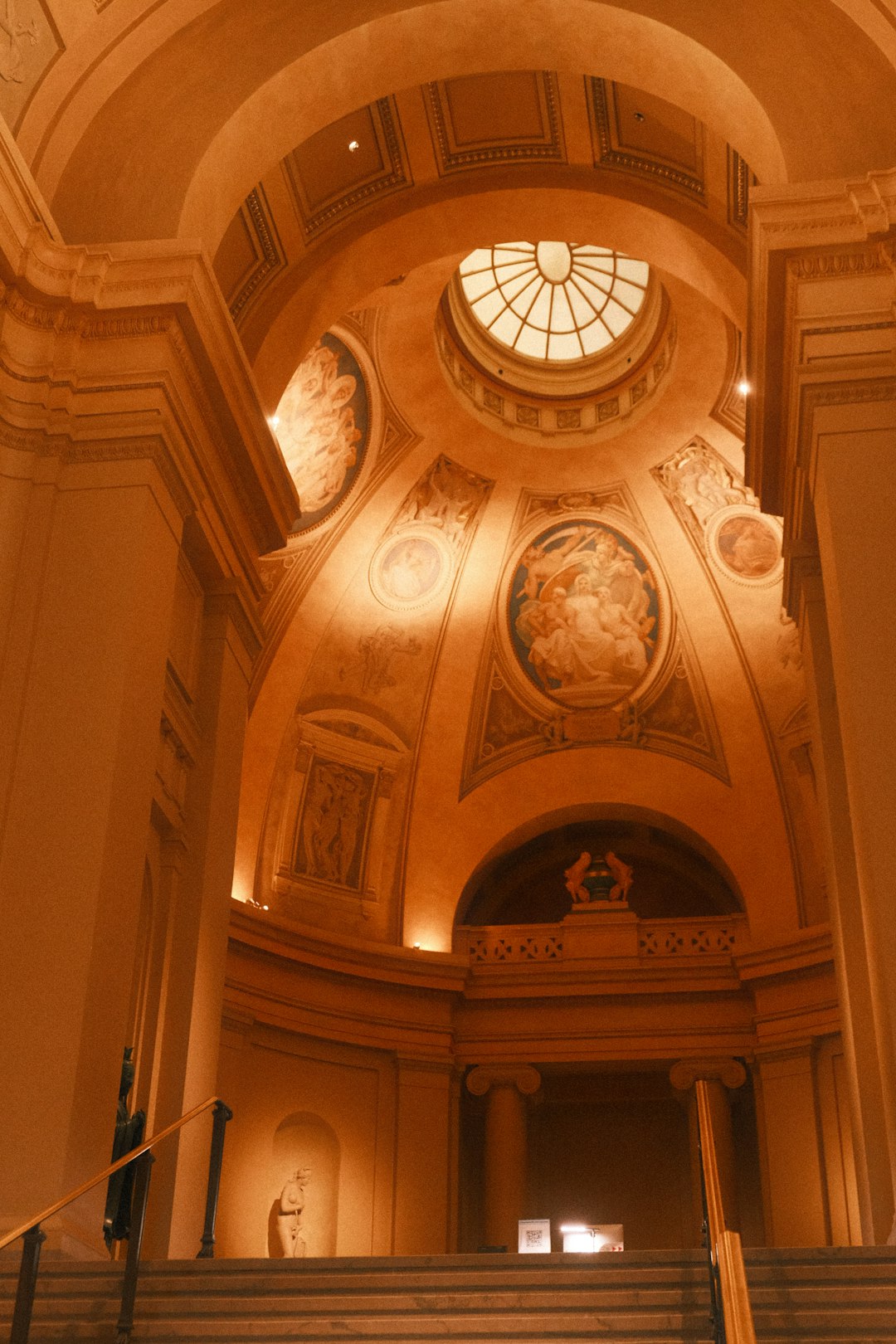
Let's be real: The Kennedy Center is an iconic institution. Its stages are hallowed ground for performers. But that prestige comes with a price—both literal and figurative. Tickets can be prohibitively expensive, the atmosphere can feel formal and intimidating to newcomers, and its location, while central, isn't always the most convenient for everyone in the D.C. metro area.
By taking "Cinderella" on the road—potentially to theaters in neighborhoods across D.C., Maryland, and Virginia—The Washington Ballet is doing something radical: they are meeting their audience where they are. Imagine a family in Silver Spring or Anacostia being able to see a world-class ballet without a daunting trip downtown and a hefty parking fee. This move democratizes art. It transforms ballet from a distant, elite spectacle into an accessible, community event.
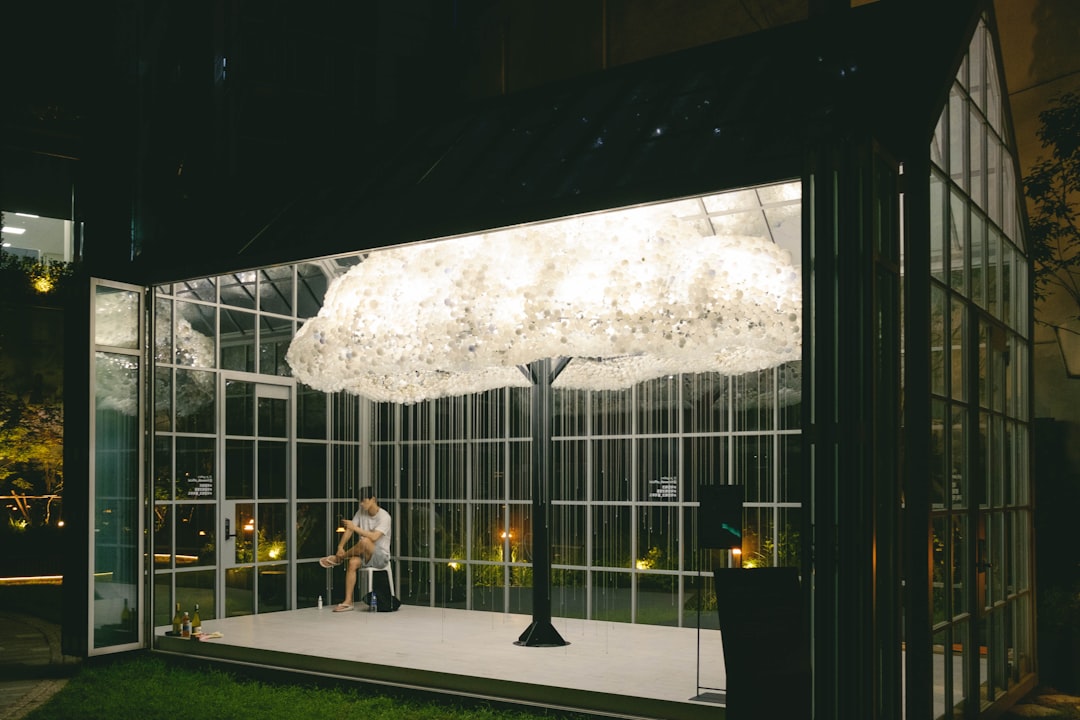
This shift also reflects a growing trend in the performing arts post-pandemic. Audiences crave connection and intimacy. A 500-seat theater in a local cultural center can offer a different, often more engaging, experience than a 2,000-seat opera house. The magic of Prokofiev's score and the sparkle of the fairy tale might feel even more potent in a cozier setting where you can see the dancers' expressions up close.
Of course, there are challenges. Will the new venues have the technical capabilities for elaborate sets and lighting? Can the intimacy be maintained without sacrificing production value? These are valid concerns for the company's production team. But if anyone can pull this off, it's a troupe as innovative and resilient as The Washington Ballet. This could push them to reimagine "Cinderella" in exciting new ways, perhaps with more streamlined yet clever designs that lose none of the wonder.
Ultimately, this decision feels less like a retreat from a major stage and more like an advance into the community. It's a bet that the future of ballet lies not just in preserving traditions within grand temples of art, but in actively building new audiences where they live. It’s about making sure the glass slipper fits for everyone, not just those who already know their way to the palace.
I, for one, am excited to see where this carriage rolls next. This could be the start of a beautiful new chapter, proving that sometimes, the most magical stories need to be told in new places.