Choosing Clothes That Move With Your Tradition, Not Against It
Your folk dance costume is more than just an outfit. It’s a story woven in fabric, a history expressed in embroidery, and a partner in your movement. Choosing the right attire isn't about historical reenactment alone; it's about finding garments that honor tradition while allowing you to fully inhabit the dance. This guide will help you navigate the beautiful, intricate world of folk dance clothing.
The Philosophy of Movement & Fabric
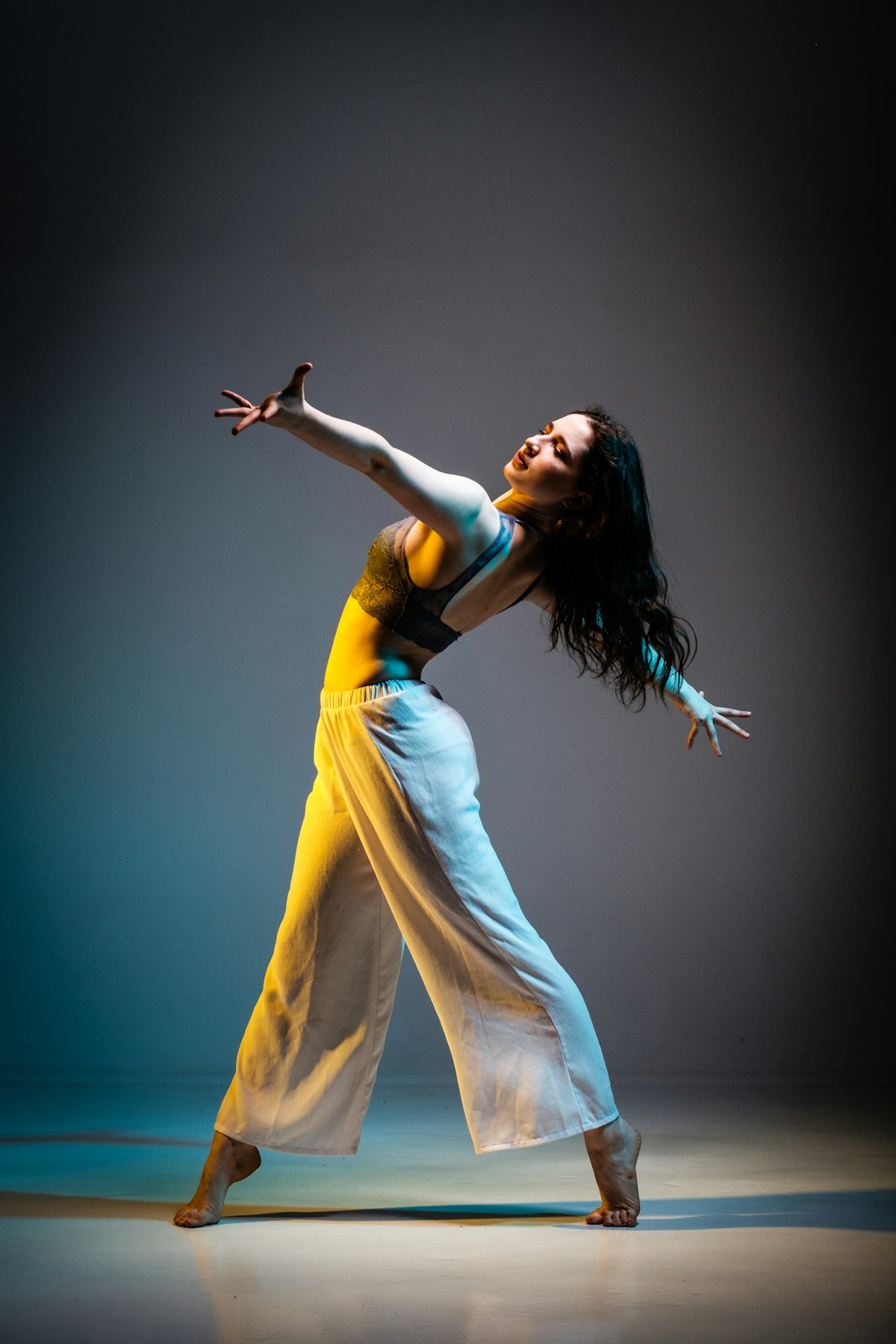
Before we delve into specifics, understand the core principle: Your clothes must dance with you. Traditional attire evolved alongside the dance forms. The full skirts of Ukrainian vyshyvankas are designed for spectacular turns. The tight trousers of Georgian chokha allow for powerful, grounded kicks. The flowing sleeves of Filipino baro't saya accentuate graceful arm movements. The first question to ask is: "What does my dance require?"
Pro Tip: The Spin Test & The Kick Test
Before committing to a piece, if possible, mimic your dance's key movement. Does the skirt flare beautifully or wrap around your legs? Do the sleeves obscure your hand movements or enhance them? Can you take a full, deep breath and lift your arms overhead without restriction?
Key Considerations for Choosing Your Attire
1. Authenticity vs. Practicality
Striking a balance is key. For performances, authenticity in color, pattern, and silhouette is paramount. For weekly practice or social dancing, consider:
- Modern Fabrics: Traditional wool or heavy brocade can be hot. Look for blends or modern fabrics that mimic the look but offer breathability and stretch.
- Adapted Designs: A simplified version of a heavily beaded bodice can save your shoulders and your wallet, while still capturing the essence.
- Footwear: Authentic leather boots or shoes can be stiff. Many dancers opt for character shoes or flexible dance sneakers that match the style until they're ready for the real deal.
2. The Fabric's Role
Fabric dictates movement.
- Linen & Cotton: Breathable, crisp, perfect for sharp, defined movements (common in Balkan and Scandinavian dances).
- Wool & Felt: Warm, structured, holds shape for strong, masculine lines (think Alpine or Eastern European mountain regions).
- Silk, Chiffon, & Lightweight Wools: Flow, float, and create beautiful visual effects for graceful, flowing dances (common in Asian and Middle Eastern traditions).
3. Regional Spotlight: A Quick Glance
Eastern Europe
Embroidered blouses, full-circle skirts or aprons, vests, and high boots. Focus on layered, symbolic embroidery and sturdy construction for athletic dances.
Balkan
Heavy woolen garments, elaborate aprons, distinctive headwear. Dresses are often weighted for dramatic, grounded movements.
Latin America
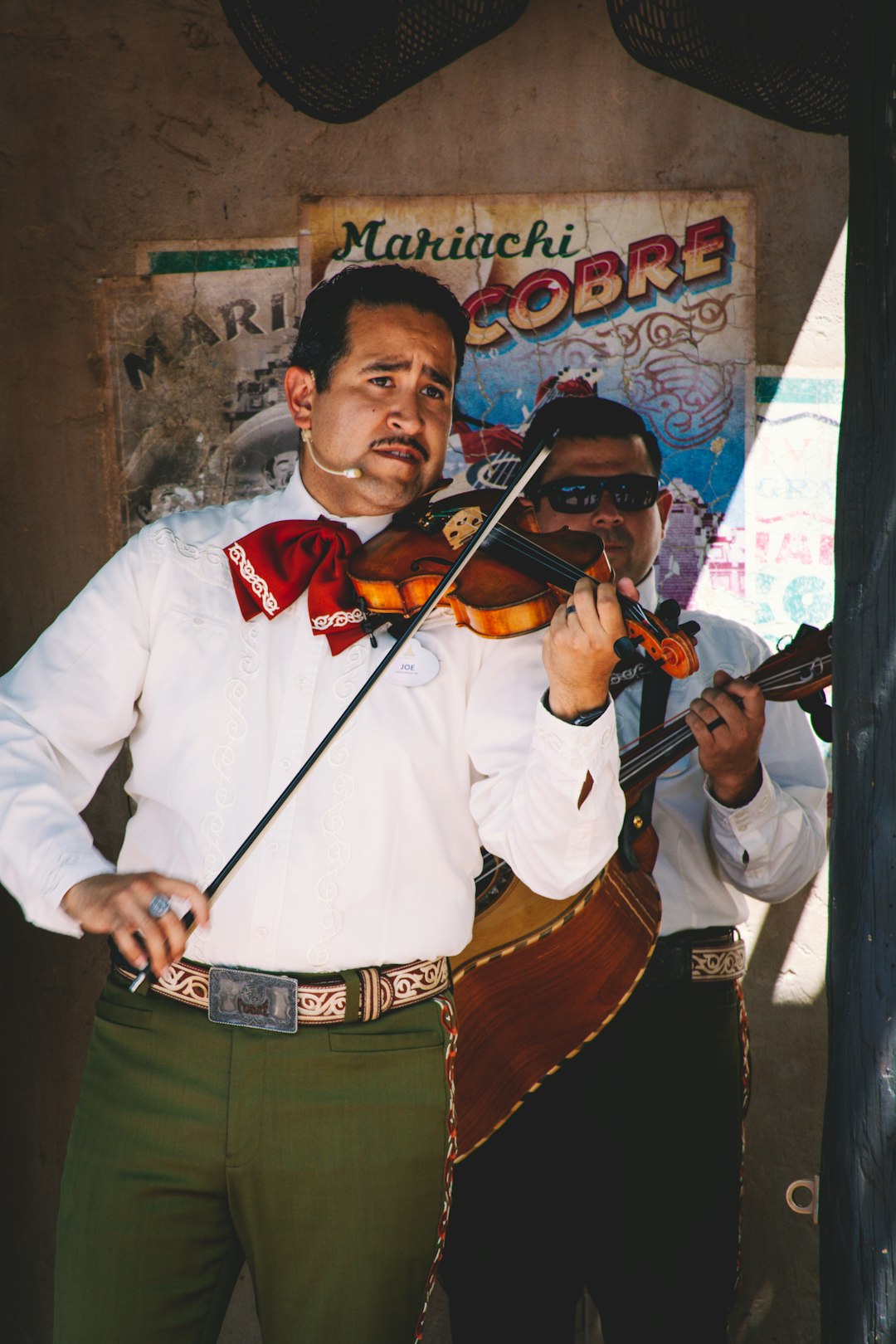
Vibrant colors, ruffled sleeves and skirts for women, tailored trousers and guayaberas for men. Fabric is often light to facilitate fast footwork and hip movement.
Building Your Folk Dance Wardrobe
Start with the foundation:
- The Base Layer: A comfortable, moisture-wicking underlayer. For women, a simple, neutral-colored slip can help skirts move properly.
- The Statement Piece: Identify the core item (e.g., the skirt, the embroidered shirt, the vest). Invest here first.
- Accessories are Key: Belts, sashes, headpieces, and jewelry are often what make the costume. They can be acquired over time.
- Footwear Fundamentals: Never compromise on dance-safe footwear that supports your ankles and the dance style.
The perfect folk dance attire does not restrict you—it releases you. It connects you to the ground and to the sky, to your ancestors and to your fellow dancers. Choose clothes that make you feel not like you're wearing a costume, but like you are embodying a living, breathing culture. Now, go dance.