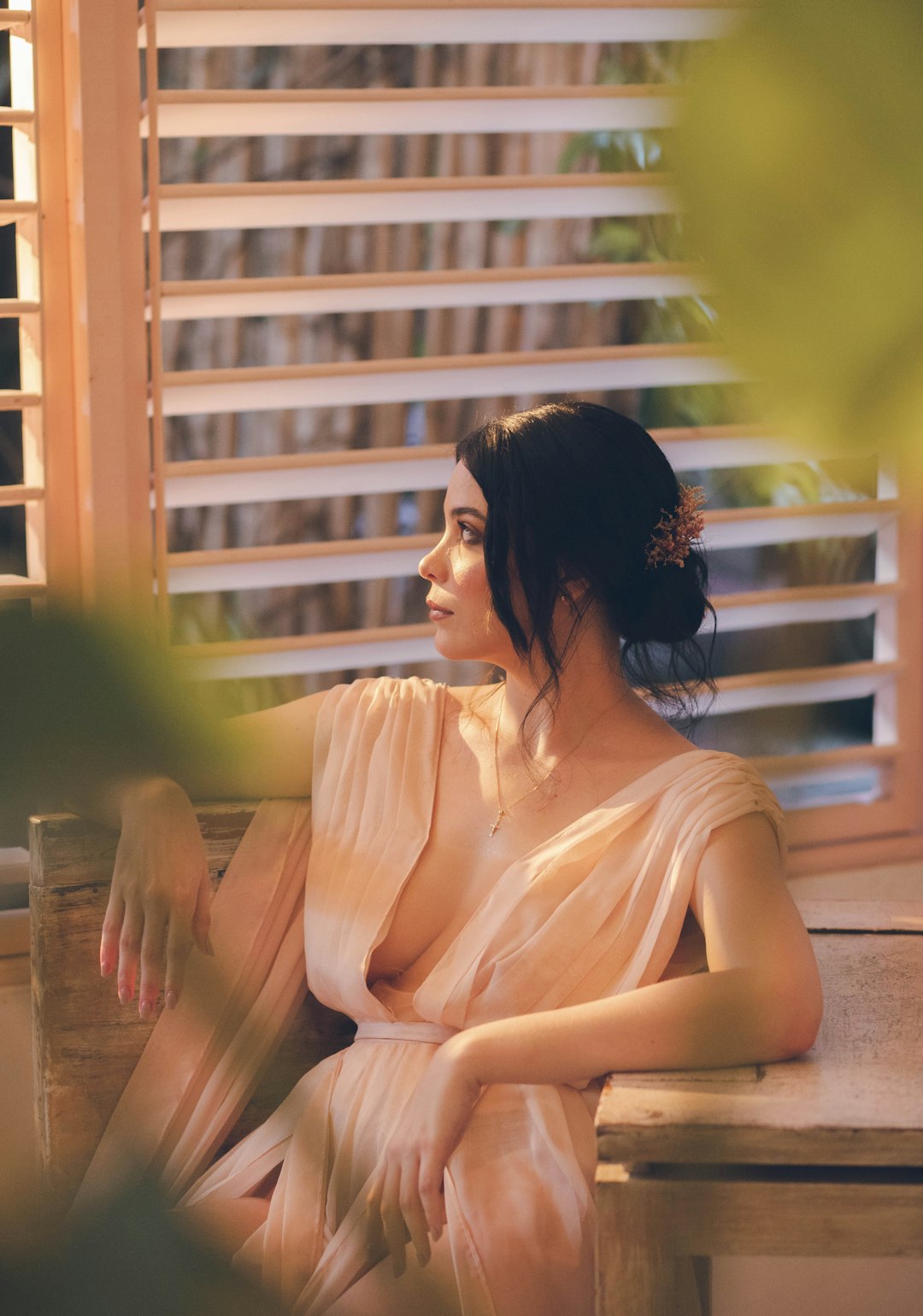
Lyrical dance is a conversation between body and music, a physical poetry where emotion dictates motion. It’s a style built on seamless transitions, suspended leaps, and heart-wrenching reaches. But this ethereal quality isn’t created by the dancer alone. The attire you choose acts as a silent partner, amplifying—or inhibiting—every story you tell. The wrong fabric fights you; the right fabric becomes an extension of your breath.
In lyrical, your clothing is not just a costume; it’s a choreographic element. It must float with your développé, cling respectfully during a fall, and billow dramatically in a turn. The secret lies not in the cut alone, but in the very fiber and weave of the fabric. Let’s unravel what makes a fabric truly lyrical.
The Lyrical Fabric Hall of Fame
These are the trusted materials that have graced stages and studios, known for their ability to translate movement into visual emotion.
- Chiffon: The undisputed queen of flow. Lightweight, sheer, and airy, chiffon creates beautiful trails and clouds around the body. Its slight transparency adds a layer of softness and depth. Look for polyester chiffon for durability or silk chiffon for unparalleled luxury and drag.
- Georgette: Chiffon’s slightly textured, matte cousin. It has a bit more body and a crinkled surface that diffuses light beautifully, offering a more subdued, elegant flow that’s less ethereal and more grounded.
- Jersey: The hug that moves with you. A knitted fabric, typically of cotton, silk, or bamboo blends, jersey is beloved for its stretch and comfort. It drapes softly against the body, highlighting lines without restriction. Perfect for leotards, skirts, and dresses that need to move as one with the dancer.
- Silk Habotai (China Silk): Liquid in fabric form. This lightweight silk has a beautiful, smooth drape and a gentle sheen. It feels incredible against the skin and moves with a weightless, fluid grace. It requires more care but offers a sublime, professional look.
- Stretch Velvet (Panne Velvet): For depth and drama. When you need a fabric that absorbs light and adds a touch of somber, rich emotion, stretch velvet is ideal. Its pile lays flat, creating a sleek look that flows beautifully and adds a tactile, luxurious element to performance wear.
Fabrics to Approach with Caution
Not all beautiful fabrics belong in a lyrical piece. Avoid stiff materials like taffeta, heavy brocades, or non-stretch satins that can create a "crunchy" silhouette and restrict movement. While cotton poplin or broadcloth might be great for practice wear, they often lack the fluid drape needed for a seamless performance look.
The Dancer's Test: How to Check for Flow
Before you commit to a fabric, do this simple test in the store: Gather a yard of the material in your hand and let it fall. Watch how it descends. Does it float down, or drop like a stone? Then, give it a gentle shake. Does it ripple and wave, or does it hold a stiff shape? Finally, pull it gently across your skin. Is it soft and forgiving, or does it catch? Your body already knows the answer.
Layering & Texture: Creating Visual Music
Modern lyrical often plays with layers to create complexity. Imagine a sleek jersey bodysuit layered with a chiffon wrap skirt, or a velvet tank top over a flowing georgette pant. Mixing textures—like matte jersey with shiny silk—can add incredible visual interest and highlight specific movements. A layered skirt can explode in a turn, while a single layer might offer a cleaner line.
The Modern Twist: Sustainable & Tech Fabrics
The lyrical wardrobe is evolving. Today’s dancers are increasingly reaching for fabrics like Recycled Polyester Chiffon and Bamboo Jersey, which offer exceptional flow with a lower environmental impact. Furthermore, advanced moisture-wicking blends are being woven into sheer overlays, ensuring comfort meets beauty during intense performances.
Choosing lyrical dance attire is an act of curation. It’s about finding the fabric that doesn’t just allow movement but participates in it. When the music swells and you extend into that first, deep plié, your costume should already be breathing with you. It should feel like a second skin, one that’s ready to flow, fall, and fly—telling the story wordlessly, in every ripple and fold.
So listen to the fabric. Let it dance in your hands. And when you find the one that moves like it’s set to your own heartbeat, you’ll know you’ve found the perfect partner for your lyrical expression.