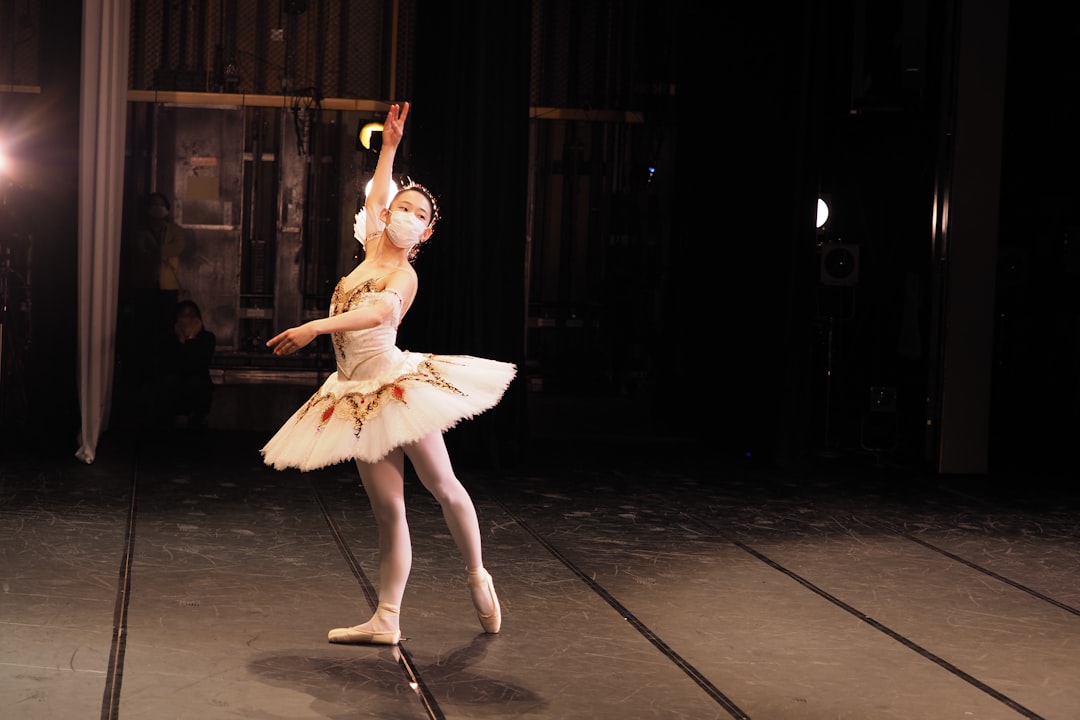
Introduction: Beyond the Steps
You've mastered the zapateado. Your braceo flows with practiced grace. Yet something separates competent dancers from those who command the tablao—the ability to make technique invisible and emotion inevitable. This is the domain of advanced Flamenco, where execution transforms into expression and the dancer becomes a conduit for something older than choreography: duende.
This guide examines the structural sophistication, cultural literacy, and interactive intelligence that distinguish advanced practitioners. These are not refinements of beginner skills but entirely new competencies—ways of thinking, listening, and responding that emerge only after technique has been thoroughly embodied.
Improvisation Within Structure: The Llave Framework
The popular image of Flamenco improvisation—raw, ungoverned passion—misleads. In the tablao, choreography ends where structured conversation begins. Master dancers internalize the llave (key) of each palo until its architecture becomes muscle memory, freeing the mind for expressive choices.
Every palo contains three structural moments:
| Element | Function | Practical Application |
|---|---|---|
| Salida (entry) | Establish compás and emotional territory | Signal your aire through initial marcaje; let the guitarist read your intention |
| Desarrollo (development) | Build narrative tension through variation | Alternate between llamadas (calls) and silencios (pauses); respond to the cante's unfolding story |
| Cierre (exit) | Resolve with rhythmic clarity | Land on the compás resolution point; leave space for the cuadro's collective breath |
Practice protocol: Map one palo weekly—soleá (12-count), bulerías (6-count), siguiriyas (irregular). Record yourself identifying each structural moment. Advanced dancers navigate these frameworks without conscious attention, their cognitive resources devoted to listening rather than counting.
Deep Listening: The Music as Partner
"Listen to the music" fails advanced dancers because it treats accompaniment as background. The cuadro—singer (cante), guitarist (guitarra), and percussionist (palmas)—generates information faster than conscious processing allows. Advanced listening is predictive and participatory.
Identifying Llamadas and Cierres
The guitarist's llamada (call) and cierre (closing phrase) structure improvisational arcs. Learn these signatures:
- Soleá: The guitarist's llamada typically emphasizes beats 1, 3, 5, 8, 10 of the 12-count cycle; the cierre resolves on 12 with a characteristic Phrygian cadence
- Bulerías: Llamadas often stress the contra (off-beat) of the 6-count cycle; cierres land emphatically on 6, inviting the dancer's remate
Drill: With a recording, mark llamadas and cierres without dancing. Advanced dancers hear these structural signals through their bodies, adjusting phrase length and intensity in real time.
The Cante as Breath
The singer's breath is information. A suspended cante phrase invites sustained braceo; a rapid desplante (vocal outburst) demands percussive answer. Practice dancing to cante alone—no guitar, no palmas—until you can anticipate phrase endings from breath alone.
The Body as Dialogue: Braceo, Floreo, and Aire
Consider the braceo not as decoration but as dialogue. Every position communicates with the cuadro and audience.
| Position | Technical Execution | Communicative Function |
|---|---|---|
| Arriba (arms extended upward) | Shoulders depressed, elbows soft, wrists leading | Signals triumph, invitation, or challenge to the guitarist |
| Abajo (arms curved downward) | Weight in the elbows, floreo suspended | Responds to cante lament; creates visual silencio |
| Vuelta (turn with dropped shoulders) | Rapid rotation maintaining compás through spotting | Marks transition; answers rhythmic intensity with spatial movement |
Floreo Variations for Emotional Precision
The hand's circular movement (floreo) is not generic ornamentation. Vary these parameters:
- Amplitude: Wide circles for expansiveness, tight spirals for intensity
- **Velocity










