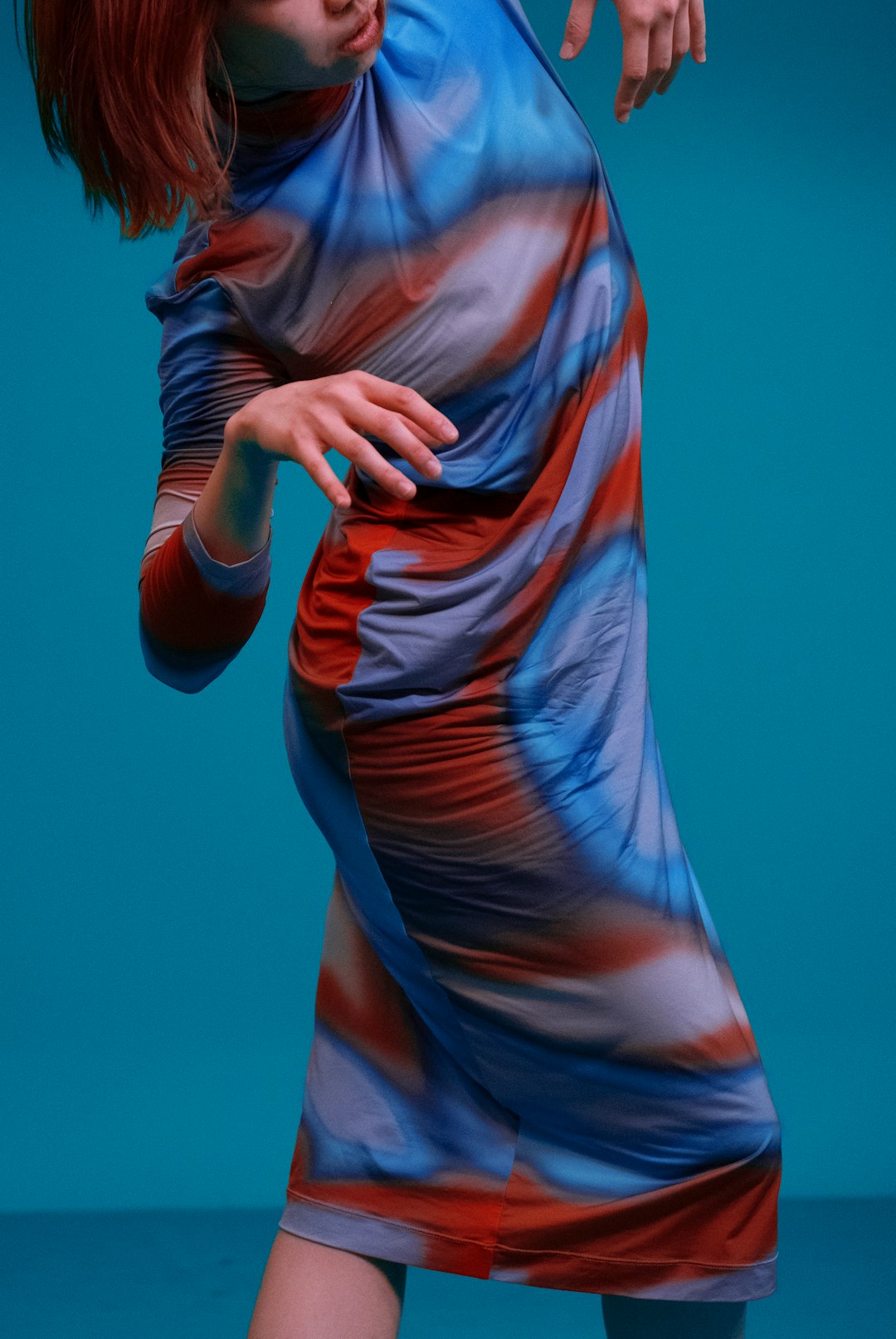
Krump was never meant to stay still. Born in the early 2000s in South Central Los Angeles—created by Ceasare "Tight Eyez" Willis and Jo'Artis "Big Mijo" Ratti as an alternative to gang culture and clown dancing—the style has always been about channeling raw emotion through aggressive, explosive movement. What began in community sessions and local battles has evolved into a global phenomenon, with distinct regional styles emerging from France, Japan, Russia, and beyond.
In 2024, Krump stands at a fascinating crossroads. The visibility boost from breaking's Olympic debut in 2024 has drawn new eyes to street dance disciplines broadly, while dedicated Krump events like the World Krump Championship and The Pit continue to push the culture forward on its own terms. Online training ecosystems that expanded during the pandemic have democratized access to top-tier instruction, yet nothing replaces the sweat and confrontation of a live session.
This article is for the dancer who has already fallen in love with Krump—who knows chest pops from buck-ins, who has survived their first battles, who feels the itch to develop something that couldn't belong to anyone else. We're moving past generalized advice into the technical, strategic, and cultural specifics that separate intermediate dancers from advanced practitioners.
Mastering Advanced Movement Vocabulary
Basic Krump gives you chest pops, arm swings, stomps, and buck-ins. Advanced Krump transforms these into a nuanced physical language capable of expressing complex emotional narratives.
Extending Your Chest Pop Arsenal
The chest pop is Krump's heartbeat, but intermediate dancers often execute it at one speed, one amplitude, one direction. Advanced practitioners manipulate every variable:
- Delayed pops: Initiate the contraction but hold the release, creating tension that explodes milliseconds later than expected
- Ripple pops: Sequential activation from sternum through ribs to upper abdomen, suggesting internal forces moving through the body
- Directional pops: Forward projection reads as confrontation; upward suggests triumph; downward collapse communicates defeat or exhaustion
Drill: Take one chest pop variation and execute it at four distinct tempos—half-time, standard, double-time, and syncopated against a metronome. Record yourself. Which tempo reveals something unexpected about your movement quality? Which feels most authentically yours?
Arm Swing Textures
Not all arm swings are equal. Advanced dancers distinguish between:
| Texture | Quality | Emotional Register |
|---|---|---|
| Whips | Sharp, snapping reversals | Sudden anger, surprise |
| Waves | Sequential joint activation through shoulder, elbow, wrist | Contained intensity, building pressure |
| Locks | Abrupt stops at full extension | Defiance, boundary-setting |
Practice transitioning between textures mid-phrase without preparation. The ability to shift emotional registers instantaneously distinguishes advanced musicality.
Buck-In Evolution and Level Strategy
The buck-in—Krump's signature aggressive entry—becomes more sophisticated as you develop control over:
- Elevation: Low buck-ins (deep squat initiation) read as grounded, inevitable; elevated buck-ins (rising onto balls of feet) suggest ascending fury
- Level changes: Dropping from standing to floor and back within a single bucking sequence
- Narrative escalation: Beginning a round with contained buck-ins and progressively expanding their amplitude and frequency until the physical explosion matches the emotional peak
Stamps vs. Stomps: Precision in Percussion
Intermediate dancers often conflate these. Stomps drive energy downward into the floor, connecting you to earth and gravity. Stamps project outward, their sound serving as punctuation or communication to an opponent. Advanced dancers choose deliberately: stomps when establishing dominance, stamps when engaging in call-and-response.
Floor Work Integration
While Krump is predominantly upright, controlled descents and recoveries add crucial dimension. Practice falling from buck-in intensity into seated or supine positions, then finding your way back to standing without losing the through-line of energy. The floor becomes another emotional register—vulnerability, exhaustion, resurrection—not merely a resting place.
Musicality: Beyond Riding the Beat
"Synchronizing with rhythm" describes competent dancing. Advanced Krump musicality involves arguing with the music, surprising it, transforming it.
Riding vs. Chopping
| Approach | Technique | Effect |
|---|---|---|
| Riding | Movement flows with the dominant pulse | Momentum, inevitability, trance |
| Chopping | Abrupt cuts against the beat | Tension, unpredictability, confrontation |
Most intermediate dancers default to riding. Advanced practitioners chop strategically—often at moments of maximum expected flow—to create disorientation that demands attention.
Weaponizing Silence
Negative space in Krump isn't absence; it's loaded potential. The advanced dancer uses silence to: