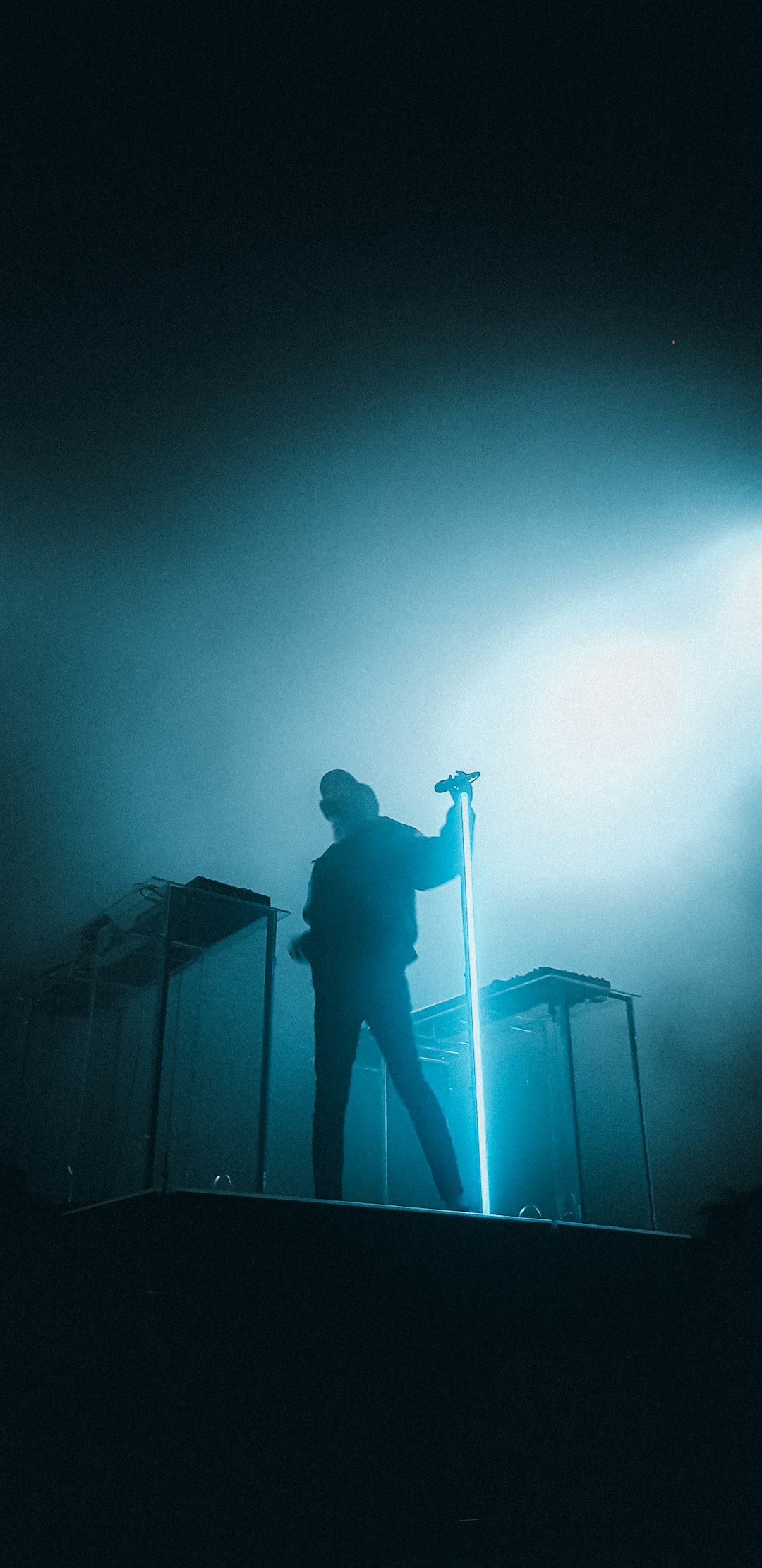
The lights are low, a blue spotlight cuts through the haze, and the upright bass thumps a heartbeat you feel in your sternum. That’s the feeling we’re chasing. Forget sterile playlists; this is a sonic blueprint for a night out, a progression from the first tentative tap of your shoe to the final, sweat-soaked spin under the streetlights.
We’re not just listing songs. We’re charting a course through the emotional arc of a jazz-infused evening, where the music isn’t just background—it’s your conversation partner, your sparring match, your slow-burn romance.
The Warm Welcome: Easing Into the Vibe
You don’t storm a jazz club. You sidle in. Start with something that feels like a shared secret, a track that lets you find your footing. Mosey Allison’s “Trouble in Mind” is that perfect, wry opening. His voice is weathered and knowing, the piano spare and bluesy. This isn’t for big moves; it’s for the subtle shift of weight, the slow roll of the shoulders, catching the eye of someone across the room. It’s the sound of possibility.
The Invitation to Swing: Letting Go of Inhibition
The band feels the room warming up. The drummer brushes the snare, and then—there it is. The infectious, undeniable call of Duke Ellington’s “It Don’t Mean a Thing (If It Ain’t Got That Swing).” This is the green light. The rhythm section locks into a strut, and the horns punch the air. Your body stops listening to your brain. This is for the Lindy Hop, for the Charleston kick, for laughing as you mess up a turn and your partner spins you back into place. It’s pure, uncomplicated joy.
The Mid-Night Burner: When Technique Meets Fire
The energy is high now, the floor packed. You need something with a simmering intensity, a track that rewards precision and power. Look to Art Blakey & The Jazz Messengers’ “Moanin’.” That piano intro is a gospel cry, and then the horns storm in like a declaration. This is where you break out the sharp isolations, the fierce footwork, the dramatic dips. It’s demanding and deeply satisfying, a conversation between your muscles and Blakey’s thunderous press rolls.
The Cool Interlude: Catching Your Breath
Every peak needs a valley. You stumble to the bar, pulse racing, and the band shifts into something cooler, more cerebral. This is the realm of Chet Baker. His trumpet on “My Funny Valentine” is all vulnerable, aching beauty. The tempo slows to a crawl. This isn’t for flashy tricks. It’s for a close, breathless embrace, for barely-there steps and the communication of a shared glance. It’s the dance of intimacy, where less is infinitely more.
The Late-Night Experiment: Getting Weird With It
The sensible have gone home. Now is the time for the explorers, the dancers who listen with their joints. Thelonious Monk’s “Blue Monk” is your guide. It’s angular, quirky, full of unexpected pauses and dissonant chords that somehow resolve into pure groove. This isn’t about following steps; it’s about reacting. A stutter in the rhythm might become a sudden stop. A clangorous piano run could inspire a wild, off-axis spin. You’re not dancing to it; you’re dancing inside it.
The Dawn Wind-Down: A Bittersweet Farewell
The first grey light of morning threatens at the windows. The night is over, but the feeling lingers. You end where you began, but changed. Billie Holiday’s “The Man I Love” from her later years is the perfect coda. Her voice is frayed with experience, heavy with feeling. The dance here is pure, distilled emotion—a slow, lingering turn, a final, close hold, a sigh that matches the final, fading note of the horn. It’s not a goodbye, but a “see you next time.”
So press play. Let the sequence guide you, not as a rigid script, but as a trusted friend who knows the way. The best jazz dance isn’t about hitting every beat—it’s about catching the feeling between them.