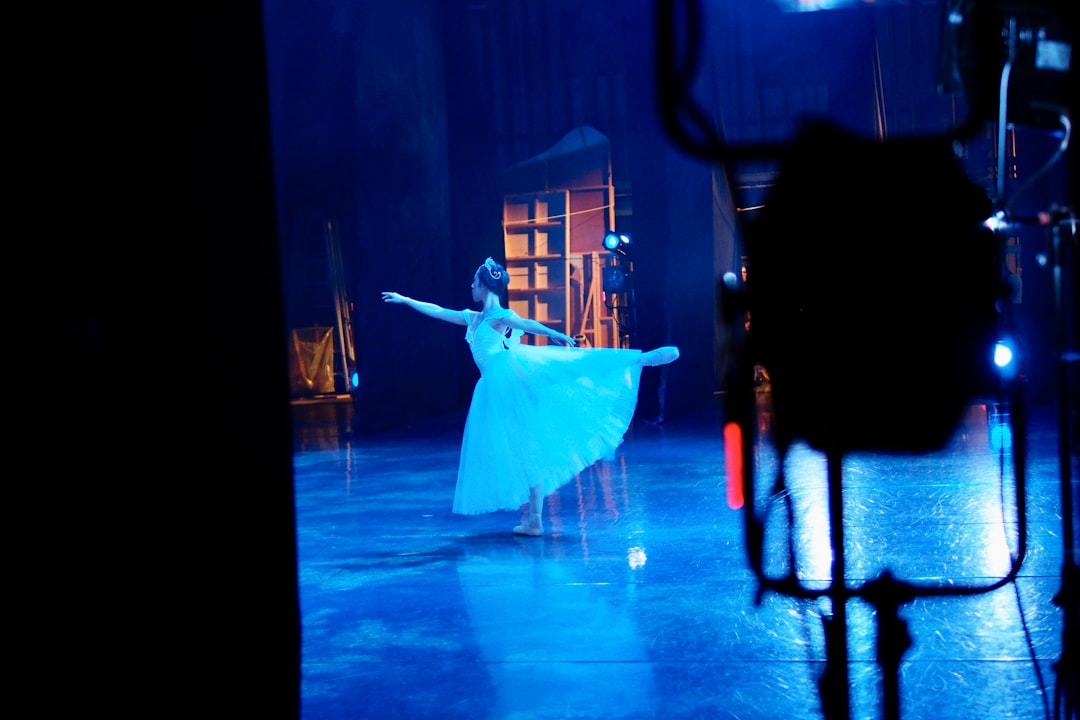
The first time you step onto a milonga floor, everything slows down. A bandoneón exhales. A couple embraces. No one speaks, yet the conversation has already begun. Argentine tango rewards patience with something rare in modern life: genuine, unscripted connection between two people moving as one.
This guide cuts through the romance to give you what you actually need to start—what to listen for, how to move, and where to find your first dance.
What Is Tango? (And What It Isn't)
Born in the late 19th-century port neighborhoods of Buenos Aires and Montevideo, tango emerged from the collision of African rhythms, European immigration, and working-class creativity. It evolved through decades of prohibition, golden-age splendor, political suppression, and global revival.
Critical distinction: Argentine tango—the social dance of Buenos Aires—is not the same as competitive "International Tango" seen in ballroom studios. The former prioritizes improvisation and connection; the latter, prescribed patterns and dramatic presentation. This guide addresses Argentine tango specifically.
Music: Learning to Listen Before You Move
Tango music developed in distinct eras, each with different dance characteristics:
| Era | Sound | Dance Quality | Key Orchestras |
|---|---|---|---|
| Guardia Vieja (1880-1920) | Simple, rhythmic | Staccato, walking-focused | Early instrumental groups |
| Golden Age (1935-1955) | Complex, layered | Versatile—rhythmic or lyrical | D'Arienzo, Di Sarli, Troilo, Pugliese |
| Tango Nuevo (1955-1990) | Experimental, extended | Expanded movement vocabulary | Piazzolla's compositions (listen later) |
Where to Begin
Start with Juan D'Arienzo ("El Rey del Compás"). His driving, clear rhythms make musicality tangible for beginners. Try "La Cumparsita" or "El Choclo."
Progress to Carlos Di Sarli for smooth elegance, then Aníbal Troilo for emotional depth. Osvaldo Pugliese delivers dramatic, orchestral intensity—save him until you can hear the layers.
For vocals, Carlos Gardel remains the unmatched voice of tango's romantic era. His recordings (1920s-1930s) offer accessible entry points.
Listening exercise: Play D'Arienzo's "D'Arienzo" (1937). Count the strong beats: 1-2-3-4. Notice how the bandoneón accents beat 1 and 3. This is the pulse you'll eventually walk through.
Movement: The Essential Elements
Tango technique rests on three fundamentals. Unlike ballroom dances, these aren't sequences to memorize but capacities to develop.
The Walk (Caminata)
Tango is, at its core, a walking dance. Partners move together in parallel tracks, connected through the torso (the "embrace"), never through the arms alone.
- Leader's role: Initiate movement from the center; your partner feels intention before foot moves.
- Follower's role: Maintain your own axis; respond to energy, not pressure.
- Practice: Walk alone across a room. Feel weight transfer completely onto each foot before the next step. Add a partner only when this is automatic.
The Cross (Cruzada)
A fundamental figure where the follower crosses one foot over the other, creating sharp geometry. It occurs naturally when the leader pauses while stepping outside partner's track.
- Key detail: The cross happens because of relative position, not because the leader "leads a cross." This distinction separates social tango from choreographed patterns.
The Turn (Giro)
A rotational movement around a shared axis. Multiple variations exist, but all depend on the follower maintaining forward intention while the leader manages spatial dynamics.
Reality check: These three elements combine into infinite possibility. Professional dancers use the same fundamentals as week-one beginners—only their timing, musicality, and connection differ.
Finding Instruction
- Group classes: Affordable introduction; focus on connection exercises over pattern accumulation.
- Private lessons: Accelerate correction of fundamental habits.
- Prácticas: Informal practice sessions with peer feedback—often more valuable than additional classes.
Video study: Watch Miguel Ángel Zotto and Milena Plebs for classic salon style; Chicho Frúmboli for nuevo influences. Notice how both use the same embrace structure despite different aesthetics.
Connection: What the "Magic" Actually Means
Tango's reputation for intimacy derives from specific, learnable elements:
The embrace (abrazo): Chest-to-chest contact creates immediate physical communication. Unlike open-position dances, information travels through torso tension, not










present here at this blog, thanks admin of this website.
better! Reading this post reminds me of my previous room mate!
He always kept chatting about this. I will forward this page
to him. Pretty sure he will have a good read. Many
thanks for sharing!
Thanks a lot.
I've saved as a favorite for later!
may not be a taboo subject but generally people do not talk about
such topics. To the next! Best wishes!!
once good. I do not know who you might be but certainly you're going to a well-known blogger if you happen to are
not already. Cheers!
stuff for visitors.
this time.
any tips on how to get listed in Yahoo News? I've been trying for a while but I never seem to get there!
Thanks