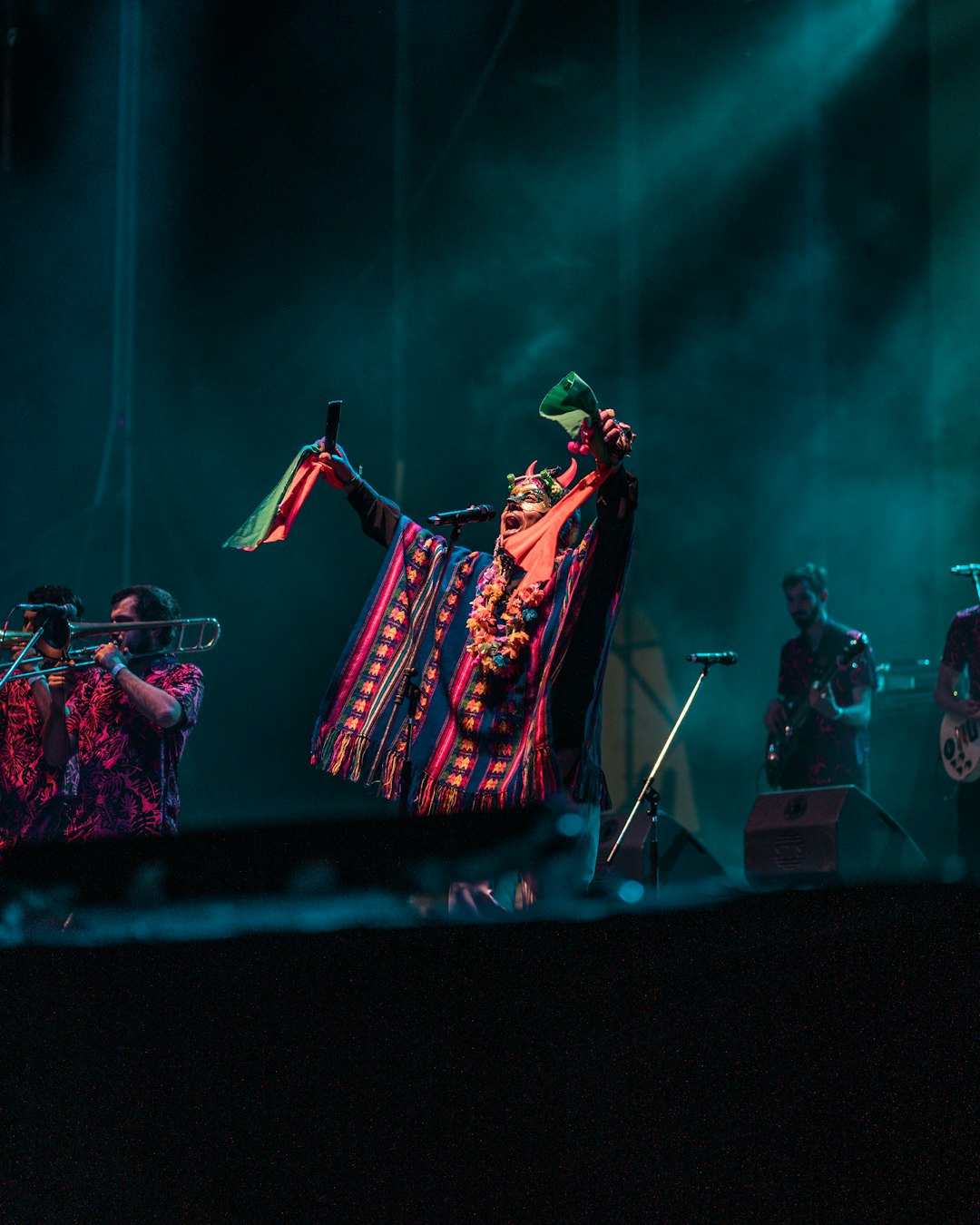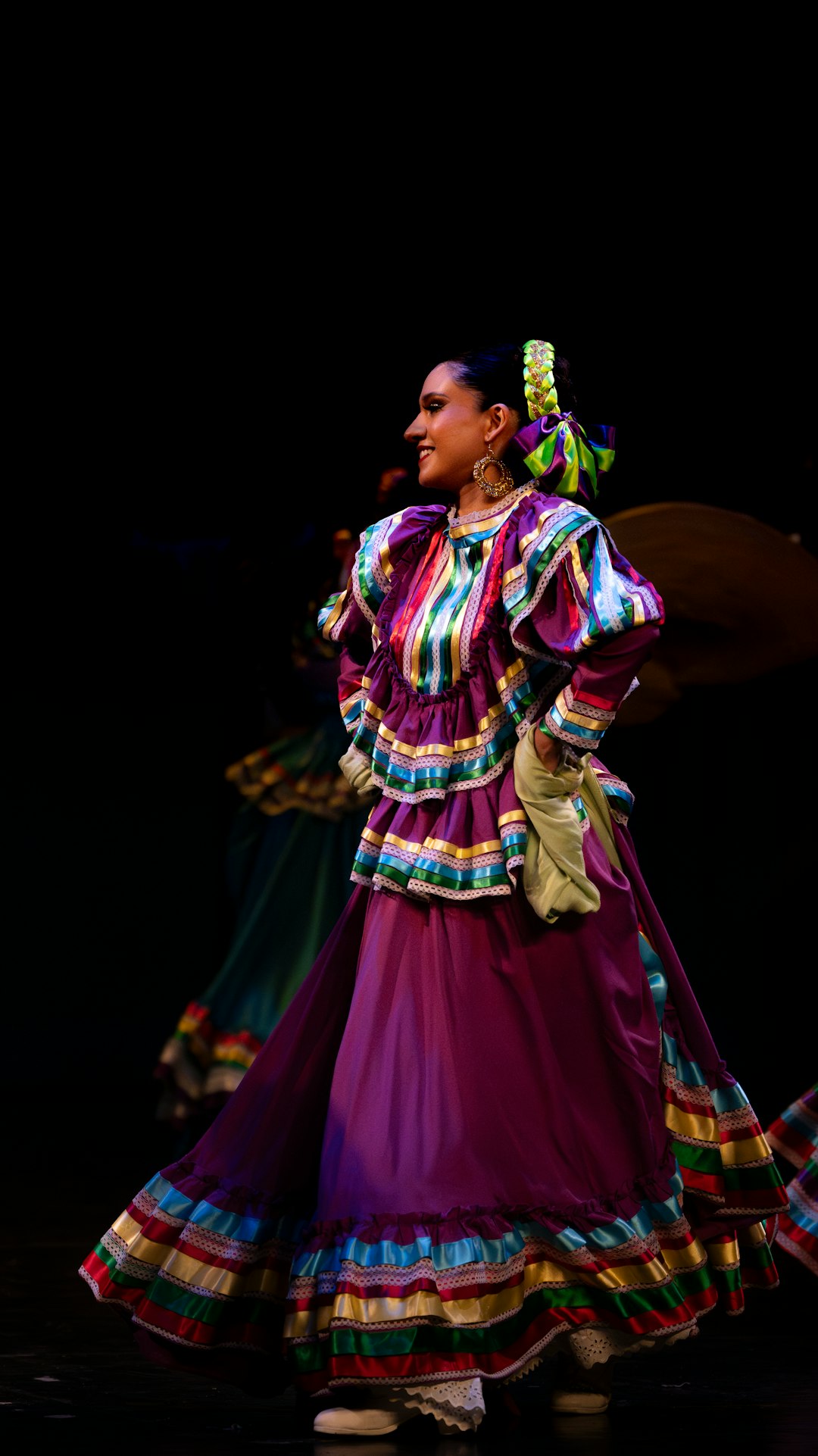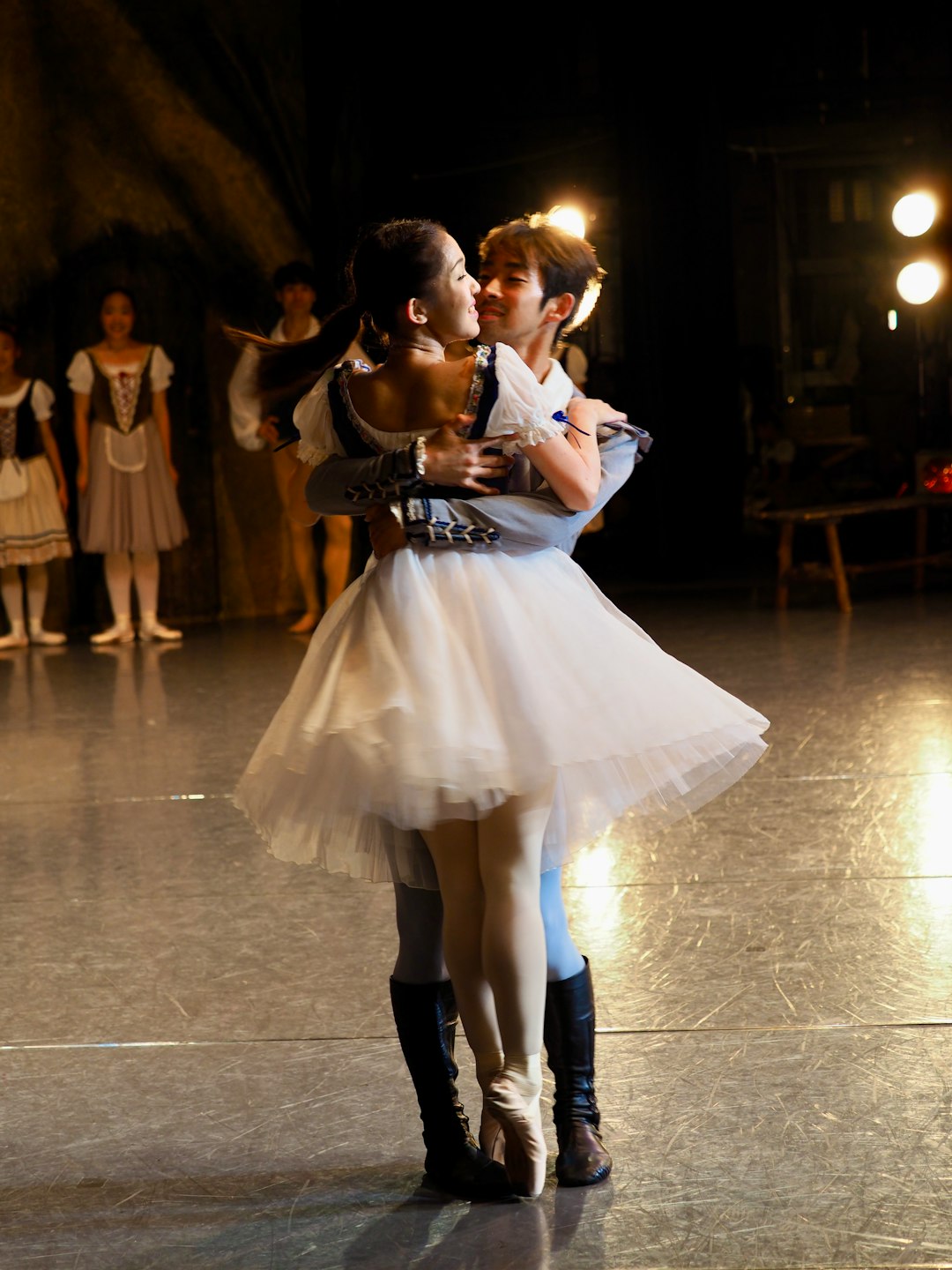
The lights dim. A lone bandoneón wheezes to life. And suddenly the dance floor transforms—what was empty space becomes charged territory where two bodies negotiate desire, trust, and musicality in real time.
Argentine tango is not the rose-in-mouth ballroom spectacle you might have seen on television. Born in the late 19th-century docklands of Buenos Aires and Montevideo, it evolved from immigrant communities blending African rhythms, European polkas, and Spanish habaneras. Today it remains distinct from International or American ballroom tango: no fixed choreography, no competition judging, no exaggerated head snaps. Just improvisation, connection, and the pursuit of that perfect moment when leader, follower, and music become indistinguishable.
What You'll Actually Do
Your first classes will feel deceptively simple. You'll learn to walk—yes, walk—in close embrace with a partner, chests touching, finding axis and balance together. The "basic step" takes twenty minutes to demonstrate and six months to execute with musicality.
Then come the movements that give tango its vocabulary: the gancho, where one dancer hooks their leg between their partner's; the volcada, a shared off-axis dip that requires absolute trust; the boleo, a whip-like leg snap released from a pivot. Each technique demands not just physical control but the ability to listen—to your partner's weight shifts, to the orchestra's phrasing, to the subtle signals that replace verbal communication.
This is where intimidation sets in. Tango asks for surrender: of ego, of the need to plan your next three moves, of the distance we normally maintain between ourselves and strangers. The learning curve is steep. Progress comes in plateaus, not slopes. Many beginners quit at month three, convinced they "can't feel the music."
Why Persist
At La Viruta in Buenos Aires, I watched a seventy-year-old milonguero from San Telmo lead a twenty-two-year-old tourist from Tokyo. Neither spoke the other's language. They had never met. For twelve minutes they spoke only through pressure and release, through the shared axis of the embrace, through decisions made and unmade in milliseconds. When the tanda ended, they separated without words—he with a slight nod, she with something like wonder.
This is tango's peculiar gift: a structured environment for genuine human encounter. The codigos (codes) of the milonga—the cabeceo (nod) invitation system, the line of dance, the three-song tanda structure—create safety that enables risk. You will dance with people you would never otherwise touch, of ages and backgrounds far from your own, and find yourself strangely exposed and strangely accepted.
Your First Year: A Realistic Map
Months 1–3: Awkwardness. Counting steps. Sore feet. The discovery that "following" requires more active intelligence than you assumed. Attend practicas (practice sessions), not just classes. Dance with beginners and experienced dancers—the latter teach through their bodies what words cannot.
Months 4–8: First milonga terror. The social context overwhelms: navigating the floor, decoding invitations, managing rejection. This is normal. Focus on one improvement per evening: floorcraft, or musicality, or simply staying calm.
Months 9–12: Integration. Movements begin to dissolve into conversation. You stop performing and start dancing. The embrace becomes information, not just position. You begin to understand why veterans speak of tango as practice for life—attention, adaptation, presence.
For Those Already Dancing
If you've survived the first year, you've likely developed preferences: salon or nuevo, traditional or alternative music, close or open embrace. Now the deeper work begins. Study one orchestra until you can identify Di Sarli's piano punctuation or Pugliese's dramatic pauses without looking. Learn the opposite role—leaders who follow understand following's active nature; followers who lead grasp the architecture of improvisation. Travel to Buenos Aires not for the Instagram moments but for the late-night milongas where the median age is sixty-five and the dancing cuts through pretension entirely.
Tango offers no destination, only refinement. The same movement you struggled with as a beginner will reveal new dimensions after a decade. The dance that once seemed an escape from ordinary life gradually reveals itself as a way of inhabiting ordinary life more completely—more awake, more responsive, more present to the person before you.
The bandoneón is waiting. The floor is open. The only question is whether you'll step onto it.