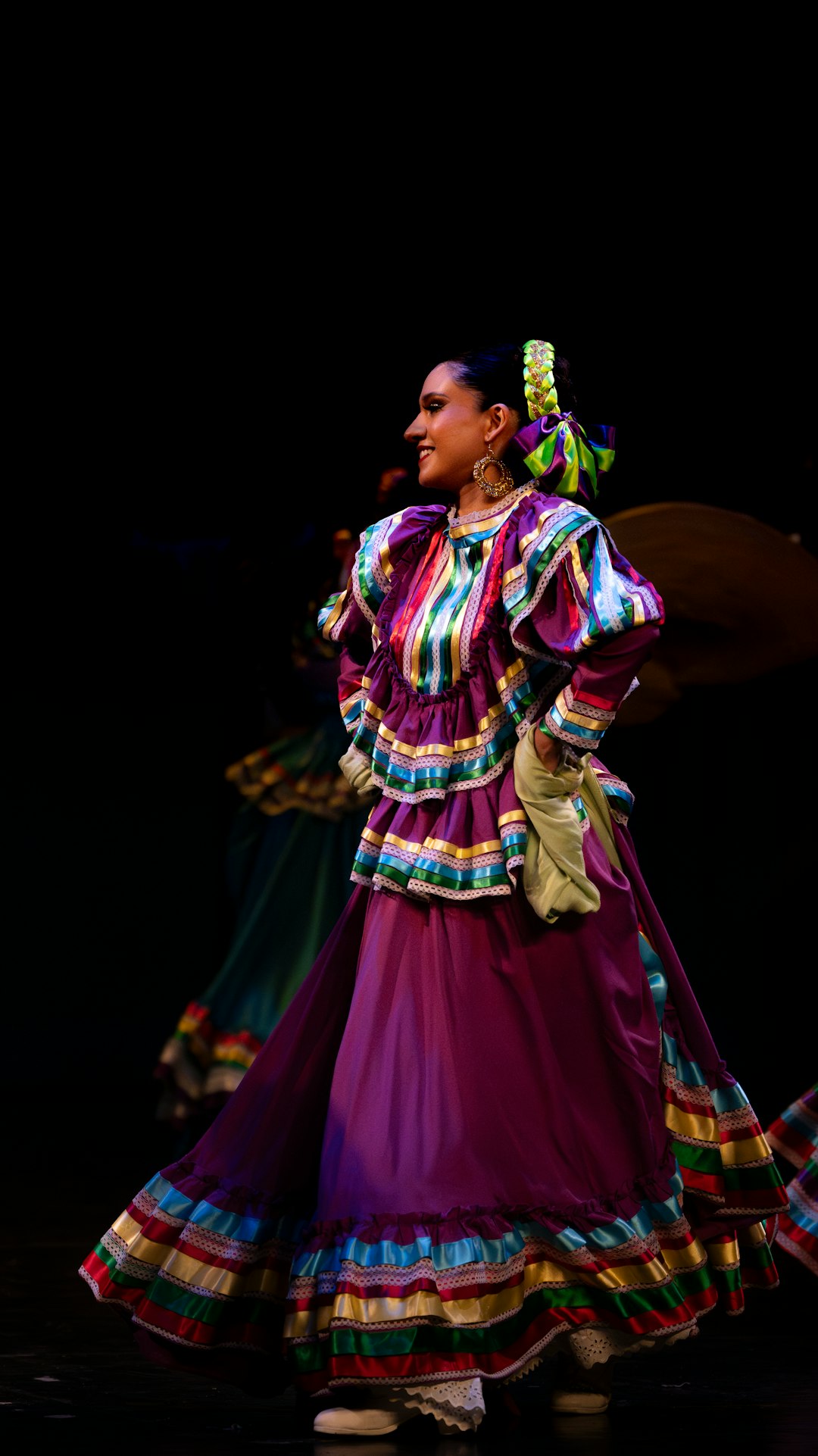
There's a moment in tango when two strangers become partners—not through words, but through the language of pressure, breath, and shared weight. If you've watched experienced dancers glide across a floor with that unmistakable blend of precision and abandon, and wondered if you could ever join them, the answer is yes. But tango asks something different of you than salsa, swing, or ballroom. It asks you to slow down. To listen. To trust.
This guide will teach you to walk before you fly.
What Is Tango? (And What Makes It Different)
Tango emerged in the late 19th century from the immigrant neighborhoods of Buenos Aires and Montevideo—Italian laborers, African dockworkers, and European émigrés mixing their musical traditions in smoky salons and waterfront cafés. What they created was something unprecedented: a dance of melancholy and desire, structured yet improvised, intimate yet performed.
Here's what sets tango apart:
- The embrace (el abrazo): Unlike dances with open frames, tango connects partners chest-to-chest or in a close V-shape. Your axis becomes shared; your balance, interdependent.
- Improvisation: There are no fixed patterns. Every step is led and followed in real time through subtle body signals.
- The walk: Tango's foundation isn't flashy kicks or spins—it's the camminata, a deliberate, grounded walking style that looks simple and takes years to master.
"Tango is a sad thought that is danced." — Enrique Santos Discépolo
Before Your First Class: What You Actually Need
Footwear
Leave your rubber-soled sneakers at home. Tango requires leather-soled shoes that allow you to pivot smoothly on wooden floors. For followers, a moderate heel (2–3 inches) helps with posture and balance; leaders typically wear low heels or flats. The fit should be snug—your foot shouldn't slide inside the shoe.
Clothing
Comfortable, breathable layers. Milongas (social dances) vary wildly in temperature, and you'll warm up quickly once moving. Avoid restrictive clothing that prevents you from stepping freely or maintaining close embrace.
Mindset
Perhaps the hardest preparation. Tango is not about memorizing sequences. Come ready to fail gracefully, to embrace awkwardness, and to discover that stillness—the pause between movements—communicates more than motion ever could.
The Tango Embrace: Your First Technique
Before steps, learn the frame. Tango uses two embrace styles:
| Style | When Used | Description |
|---|---|---|
| Close embrace (abrazo cerrado) | Traditional milongas, crowded floors | Chests touch, heads may touch or cheek-to-cheek, arms wrap firmly but without tension |
| Open embrace (abrazo abierto) | Classes, performances, complex figures | Maintains connection through arms while creating space between torsos |
Key principles for both:
- The leader's right arm supports the follower's back; the follower's left arm rests lightly on the leader's shoulder
- The opposite arms connect at eye level, elbows relaxed, forming a flexible frame
- Never grip or squeeze—connection comes from presence, not pressure
- Maintain your own axis; don't lean heavily on your partner
Practice standing in embrace with a partner for full songs before attempting steps. Feel their breathing. Adjust when they adjust. This is tango's real vocabulary.
The Basic Steps: Counted, Explained, Partnered
The Basic Step (El Básico)
This walking pattern forms tango's DNA. Master it, and everything else follows.
Timing: Slow-slow-quick-quick-slow (one 8-count phrase)
Leader's part:
- Step forward with left foot (slow)
- Step forward with right foot (slow)
- Step side with left foot (quick)
- Bring right foot together with left (quick)
- Pause with weight on left (slow—this pause is everything)
Repeat beginning with right foot moving backward.
Follower's part: Mirror the leader exactly, stepping backward first with right foot.
Critical technique:
- Keep knees soft and weight forward over the balls of your feet
- Each step lands with the heel first, then rolls through to the ball
- The "slow" counts should feel luxuriously long—tango is danced behind the beat, never rushed
- During the pause, breathe. This stillness is where musical interpretation lives.
The Ocho (La Ocho)
Named for its figure-eight pattern, this step allows direction changes and introduces tango's characteristic pivoting.
Leader's part:
- Lead follower into a forward ocho by stepping side