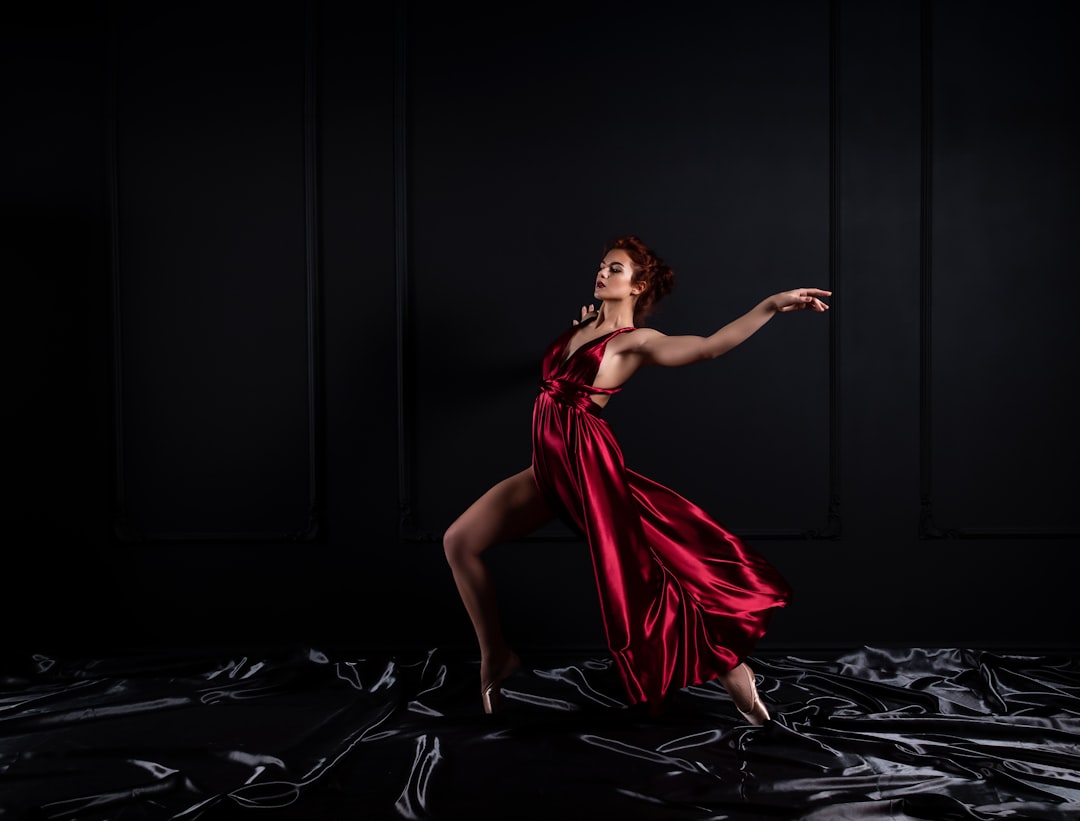
The grace of a ballet dancer can seem like magic—an impossible language of the body. If you're standing in your living room, feeling both inspired and intimidated, this guide is for you. Mastering ballet is a marathon of joyful discipline, and every professional dancer started with a single, deliberate step. Let's take yours together.
Before You Begin: Set Up Your Space
Gather these essentials:
- A clear floor space (roughly 6×6 feet minimum)
- Comfortable clothing that allows full range of motion
- Socks or ballet slippers with grip
- A sturdy chair, countertop, or wall to use as a barre—positioned at elbow height when standing tall, with enough space to stand parallel to it with your arm extended
- A water bottle
- A phone or camera for recording your practice
Step 1: Cultivate the Beginner's Mindset
Ballet is as much about mental perseverance as physical skill. Your first step isn't a plié; it's adopting the right attitude. You will have days where you feel clumsy—this is perfectly normal and part of the process.
Focus on progress, not perfection. Celebrate holding your balance a second longer, or finally understanding an arm movement. Embrace these small wins and find joy in the simple act of moving and learning. This patient, joyful approach is the non-negotiable foundation for your entire journey.
Pro tip: Keep a practice journal. Note one small victory after each session—this builds momentum when motivation dips.
Step 2: Find Your First Class
Nothing replaces a qualified instructor for learning correct, safe technique. This is your most important concrete action.
What to look for:
- Studios offering "Absolute Beginner" or "Introductory" adult ballet courses
- Class size under 15 students (smaller = more personalized feedback)
- Instructors with professional performing experience or accredited teaching credentials (Royal Academy of Dance, Vaganova, or Cecchetti)
Red flags to avoid: Teachers who push for extreme flexibility before establishing correct alignment, or who dismiss your questions about safety.
Plan your progression: Aim for one live class weekly to start, with 2–3 short home practice sessions between. After 6–8 weeks, consider adding a second weekly class to accelerate your progress.
Step 3: Master Your First Position and Two Foundational Movements
Ballet technique is built upon five positions, but beginners should start here—with one position and two movements practiced until they feel natural. These are the bedrock for every pirouette and grand jeté to come.
First Position
- Feet: Heels together, toes turned out to the sides in a comfortable "V"
- Arms: Gently rounded in front of you, as if holding a large beach ball (called bras bas or low position)
⚠️ Crucial Safety Note: Aim for turnout from your hips, not from your knees or ankles. If in doubt, keep your feet straighter. Protecting your joints is paramount.
Two Movements to Practice Daily
| Movement | Purpose | Key Focus |
|---|---|---|
| Pliés (knee bends) | Foundation for all jumps; builds leg strength and control | Knees track over toes; heels stay grounded in demi-plié |
| Tendus (stretching the foot along the floor) | Builds foot strength, precision, and articulation | Lead with the heel moving forward, toes leaving last; reverse when closing |
Common beginner mistakes to avoid:
- Gripping the barre (rest fingertips lightly)
- Tucking or arching the lower back excessively
- Holding your breath—exhale as you bend, inhale as you rise
Step 4: Design a Smart, Consistent Practice Routine
Progress is a direct result of consistent, mindful effort. "Smart practice" means quality always trumps quantity. Carve out 15–20 minutes most days for focused work.
Your First Week Practice Plan
| Day | Activity | Focus |
|---|---|---|
| 1 | Watch a beginner tutorial on Positions 1–3. Practice First Position for 10 minutes in front of a mirror. | Alignment and turnout from hips |
| 2 | 10-minute practice: First Position plus four slow, controlled demi-pliés. | Heels grounded, knees tracking |
| 3 | Research and contact one local beginner class or structured online course. | Schedule your first live class |
| 4 | Repeat Day 2, adding four tendus front with each foot. | Foot articulation, posture steady |
| 5 | 15-minute practice: Combine pliés and tendus; attempt Second Position (feet shoulder-width, arms extended to sides). | Building movement vocabulary |








