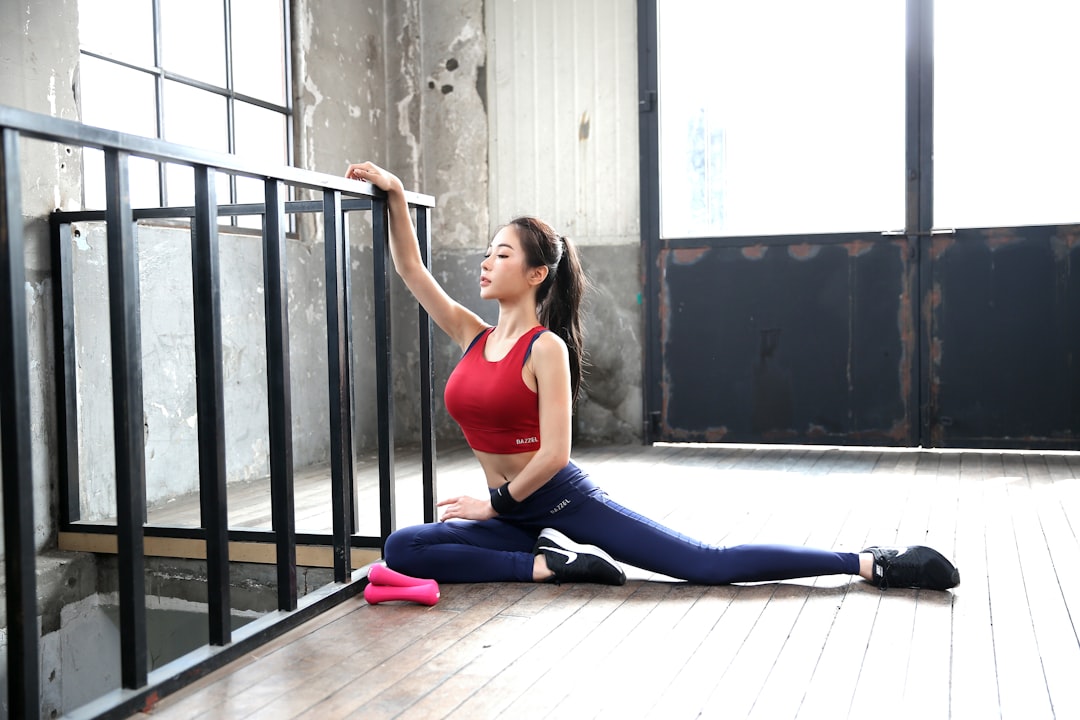
You're thirty, you've never touched a barre, and you're wondering if it's too late. The mirror at the gym feels judgmental, and those childhood dreams of pirouettes seem locked behind a door that closed decades ago. Here's the truth: that door was never locked. Adult ballet has exploded in popularity, and studios worldwide are filling with beginners who discovered that this art form offers something rare—a workout that challenges both body and mind while delivering measurable fitness returns.
Unlike trendy fitness programs that promise transformation in thirty days, ballet offers something more sustainable: progressive mastery. Within your first month, you'll likely notice improved posture and core engagement. Within six months, expect measurable gains in flexibility, balance, and lower-body strength. Long-term practitioners report reduced back pain, enhanced body awareness, and cognitive benefits from memorizing complex movement sequences. The investment pays dividends that extend far beyond the studio.
What You Actually Need (And What You Don't)
Let's dismantle some myths first. You do not need to be young, thin, or preternaturally flexible. You do not need to have started at age five. You do not need to aspire to pointe work or professional performance. What you need is workable joints, a willingness to follow anatomical logic, and patience with yourself.
Medical considerations: If you have chronic knee issues, hip replacements, are pregnant, or have a history of eating disorders, consult your physician before beginning. Ballet is generally low-impact but places unique rotational demands on hips and ankles. A good instructor can modify almost anything, but they need to know your constraints.
Timeline expectations: Strength gains appear within weeks. Technical proficiency—the ability to execute movements with alignment and control—develops over months and years. Do not expect to look like the dancer at the front of the room in your first year. Do expect to feel increasingly capable in your own body.
Finding Your Training Path
The "right" way to start ballet depends on your budget, schedule, and learning style. These options are not interchangeable—they suit different needs.
Adult beginner group classes ($15–25 per session) offer community, structured progression, and the irreplaceable experience of moving with others. Look for studios advertising "absolute beginner" or "intro to ballet" specifically; mixed-level classes often leave true beginners lost and discouraged. Ask about the teaching method: Cecchetti emphasizes precision and anatomy, Vaganova prioritizes expressiveness and épaulement, and RAD (Royal Academy of Dance) provides standardized progression. For beginners, the instructor's attentiveness matters more than the method.
Online platforms ($10–40 monthly) work well if you live far from studios or need schedule flexibility. However, they lack real-time correction, which is crucial for preventing injury and building sound technique. Consider online options only for supplemental practice, not primary instruction, during your first six months.
Private instruction ($60–120 hourly) accelerates progress dramatically but represents serious investment. Worth considering if you have specific physical limitations requiring modification, or if group classes trigger social anxiety that interferes with learning.
Red flags: Instructors who place beginners on pointe within the first year, who emphasize weight loss over technique, or who cannot explain why a correction matters. A quality instructor welcomes questions and modifies exercises for different bodies.
Building Your Ballet Wardrobe
Every item in your dance bag serves a functional purpose. Understanding why helps you prioritize spending.
Leotard or form-fitting top: Instructors need to see your spine, shoulder placement, and hip alignment to give accurate corrections. Baggy clothing obscures the feedback loop essential to progress. Expect to spend $20–40; Capezio, Bloch, and Discount Dance Supply offer reliable beginner options.
Tights: Required by many studios for the same visibility reasons. Convertible tights (with a hole under the foot) transition easily between barefoot work and shoe work. Budget $12–18.
Ballet slippers: Canvas offers breathability and affordability ($15–25); leather provides durability and slightly more foot support ($25–40). Avoid Amazon knockoffs with cardboard soles—they distort your connection to the floor and impede balance development. This is the one item worth purchasing from a dance-specific retailer.
Optional but recommended: A wrap sweater for warming up, a water bottle, and a small notebook for recording corrections after class.
Mastering the Foundations
Ballet vocabulary builds logically. Rush the foundation, and everything that follows suffers.
Begin with the five positions of the feet, understanding not just the shape but the rotation's origin in the hip socket. Add port de bras (arm positions), coordinating breath with movement. These seemingly simple elements contain multitudes—the difference between a position that looks "ballet" and one that is structurally sound.
Your first technical steps:
- Plié: The bending of knees in all positions, developing eccentric control and preparing the body for jumps








