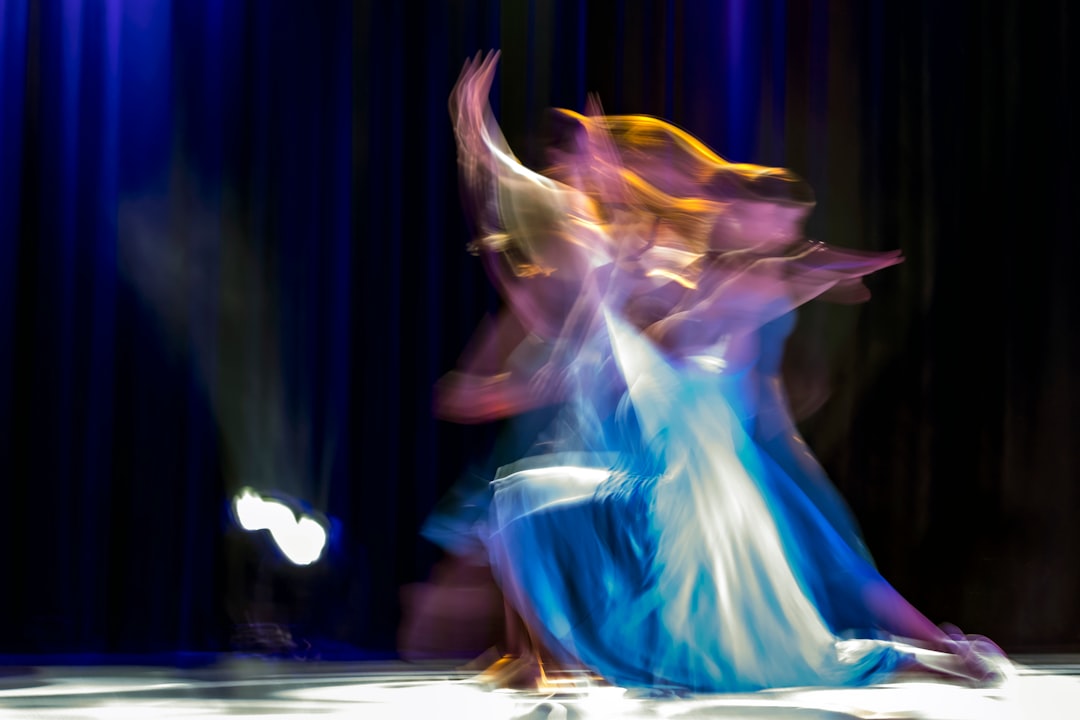
Your first plié will feel awkward. Your first tendu will wobble. Every professional dancer standing in perfect turnout started exactly where you are now—searching for guidance before stepping into a studio that suddenly feels very large and very public.
The good news? You don't need perfect flexibility or childhood training to begin. You need the right preparation, realistic expectations, and a willingness to feel like a beginner. Here's how to start your ballet journey with confidence.
1. Find the Right Ballet School (And Know What to Ask)
Not all beginner classes are created equal. The wrong fit can mean slow progress, preventable injuries, or losing interest entirely.
Red Flags to Avoid
- No trial class option: Quality schools let you observe or participate before committing
- Instant pointe shoe promises: Beginners should spend 12–18 months building foundational strength before pointe work enters the conversation
- One-size-fits-all instruction: Bodies move differently; good teachers adapt
Your Trial Class Checklist
Use your first visit to evaluate more than the mirror-lined walls:
| Question | Why It Matters |
|---|---|
| Does the instructor demonstrate movements or only describe them? | Visual learners especially need to see proper form |
| Are corrections given to individuals, or only general comments? | Personalized feedback accelerates progress dramatically |
| How are different body types accommodated? | Ballet has evolved; rigid aesthetic requirements are outdated |
| What's the ratio of barre work to center floor? | Beginners need 60/40 barre-to-center for first six months to build stability |
Recreational vs. Pre-Professional Tracks
Be honest about your goals. Recreational programs prioritize enjoyment and fitness with flexible scheduling. Pre-professional tracks demand multiple weekly classes and performance commitments. Many studios offer both—clarify which you're entering.
2. Invest in the Right Gear (Skip the Extras)
The dance retail industry profits from beginners buying unnecessary accessories. Focus on essentials that actually affect your training.
What You Actually Need
| Item | Details | Approximate Cost |
|---|---|---|
| Leotard | Snug fit that doesn't shift during port de bras; high-cut leg line allows full range | $25–$45 |
| Tights | Convertible (footed/footless) in pink or black; avoid runs by hand-washing | $12–$18 |
| Ballet slippers | See below—this choice matters | $20–$40 |
| Hair supplies | Hair ties, bobby pins, and a hairnet for secure bun; gel or spray for flyaways | $10–$15 |
Footwear: Canvas vs. Leather
Your slippers connect you to the floor. Choose wisely:
- Canvas: Breathes well, molds to foot quickly, budget-friendly. Best for growing children, warm climates, or dancers who sweat heavily. Breaks in within 2–3 classes.
- Leather: More durable, structured arch support, longer lifespan. Requires 4–6 hours of wear to soften. Better for dancers with flexible arches needing stability.
Pro tip: Visit a dance specialty store for your first pair. Staff can assess your arch type, foot width, and whether you need split-sole (more flexibility) or full-sole (more resistance for building strength). Online sizing is notoriously unreliable.
Gender-Inclusive Attire Notes
Most studios require women and girls in leotard and tights; men and boys typically wear fitted t-shirts or unitards with black tights or shorts. Some schools have specific color requirements. Always verify dress code before purchasing—returning worn dancewear is nearly impossible.
What You Don't Need Yet
- Ballet skirts: Purely aesthetic; many instructors prefer beginners without distractions
- Leg warmers: Useful for injury prevention in advanced dancers, unnecessary for beginners in heated studios
- Pointe shoes: Not before 12–18 months of consistent training, and only with instructor approval
3. Understand Your Body's Signals
Ballet will challenge muscles you didn't know existed. Distinguishing productive discomfort from warning signs protects your longevity in the art form.
Normal Beginner Sensations
- Muscle fatigue in calves, feet, and core during and after class
- Mild cramping as feet adapt to working in turnout
- Mental exhaustion from concentrating on multiple physical instructions simultaneously
Stop and Modify If You Feel
- Sharp joint pain (knees, ankles, hips)
- Numbness or tingling in feet
- Lower back pain during backbends or arabesques
Speak with your instructor about modifications. "No pain, no gain" has no place in responsible ballet training.
4. Practice Regularly (Safely)
Consistency outweighs intensity. One weekly class maintains; two builds;








