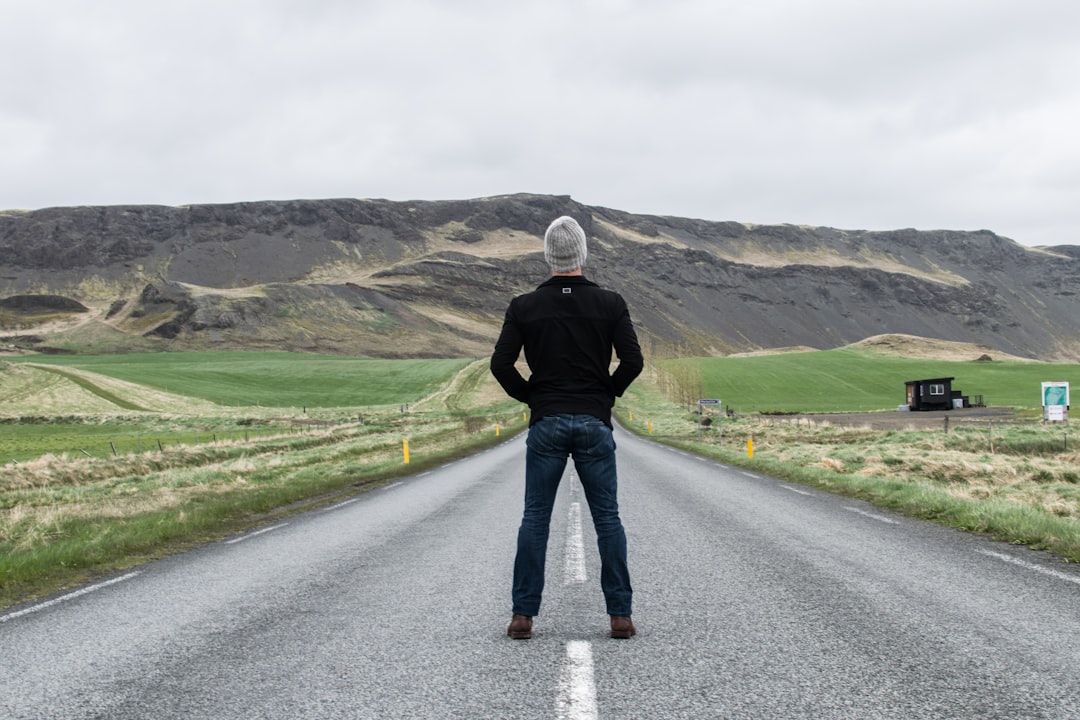
What if I told you the future of American ballet might be hiding in a town of 1,400 people, where the railroad cuts the main street in two and cattle vastly outnumber the residents? Picture Guernsey, Wyoming—perched along the North Platte River, more known for its Oregon Trail ruts than its relevés. It’s the last place you’d expect to find a thriving dance scene. But maybe that’s exactly why it’s the most important place to look.
We’ve seen it before. A dusty Texas town becomes an art mecca. An opera house blooms in a prairie hamlet. Culture doesn’t only grow in coastal cities; it takes root where people decide to plant it. So, what would it actually take to cultivate classical ballet in the heart of cattle country?
It starts by throwing out the conservatory rulebook. A program here couldn’t just transplant a New York syllabus. It would have to speak the local language of movement. Imagine ballet barres built alongside arena fences, where a young rider’s innate sense of balance and posture—the same one used to stay on a bucking horse—is refined into a perfect arabesque. The rhythm of ranch work, the steadiness of a long trail ride, these aren’t obstacles to dance training; they’re its secret foundation.
With such a small population, you can’t just rely on local kids. You’d have to become a beacon, drawing aspiring dancers from a hundred miles in every direction—from Wheatland, Torrington, maybe even across the Nebraska border. That means rethinking everything. Forget daily classes; think weekend intensives. Think carpool networks organized like ranchers helping a neighbor move cattle. Think video coaching sessions with retired principal dancers who’ve traded city apartments for Wyoming’s big skies, mentoring the next generation from their living rooms.
And where would they dance? Not in some sterile, mirrored box. The stage would be the town itself. The historic 1905 schoolhouse. The lawn of the Oregon Trail Museum. Performances wouldn’t be The Nutcracker in December, but a new "Pioneer Suite" in July, telling the stories of the settlers whose footsteps are literally pressed into the ground nearby. The art wouldn’t be an import; it would be a conversation with the place.
This brings up the harder question: why ballet? Why not something that feels more accessible? The answer is pragmatic, even profound. Ballet’s codified structure—its universal language of tendus and pliés—is a lifeline. It allows a student in a remote town to follow the same graded syllabus as a kid in Chicago, to earn the same credentials that open doors to college programs and scholarships. It turns isolation into a shared standard of excellence.
But success here wouldn’t be measured by who escapes to a big-city company. The real triumph would be the dancer who returns after college to teach. It would be the rancher’s son who finds his career in physical therapy, his understanding of the body deepened by dance. It would be the community member, who’s never seen live performance, weeping at a dance built from their own history.
This isn’t just a daydream about Guernsey. It’s a diagnostic tool for every arts program stuck in its ways. It exposes how much we’ve mistaken geography for destiny, and how our definitions of "talent" and "success" are often just echoes of coastal elitism.
The real lesson isn’t whether ballet should be in Guernsey. It’s that any art form, if it’s to have a future, must be willing to get its boots dirty, to listen to the land, and to find its new rhythm in the most unexpected places. The next great chapter of American dance might just be written not in a studio, but in the open, demanding, and deeply creative space of rural life.










