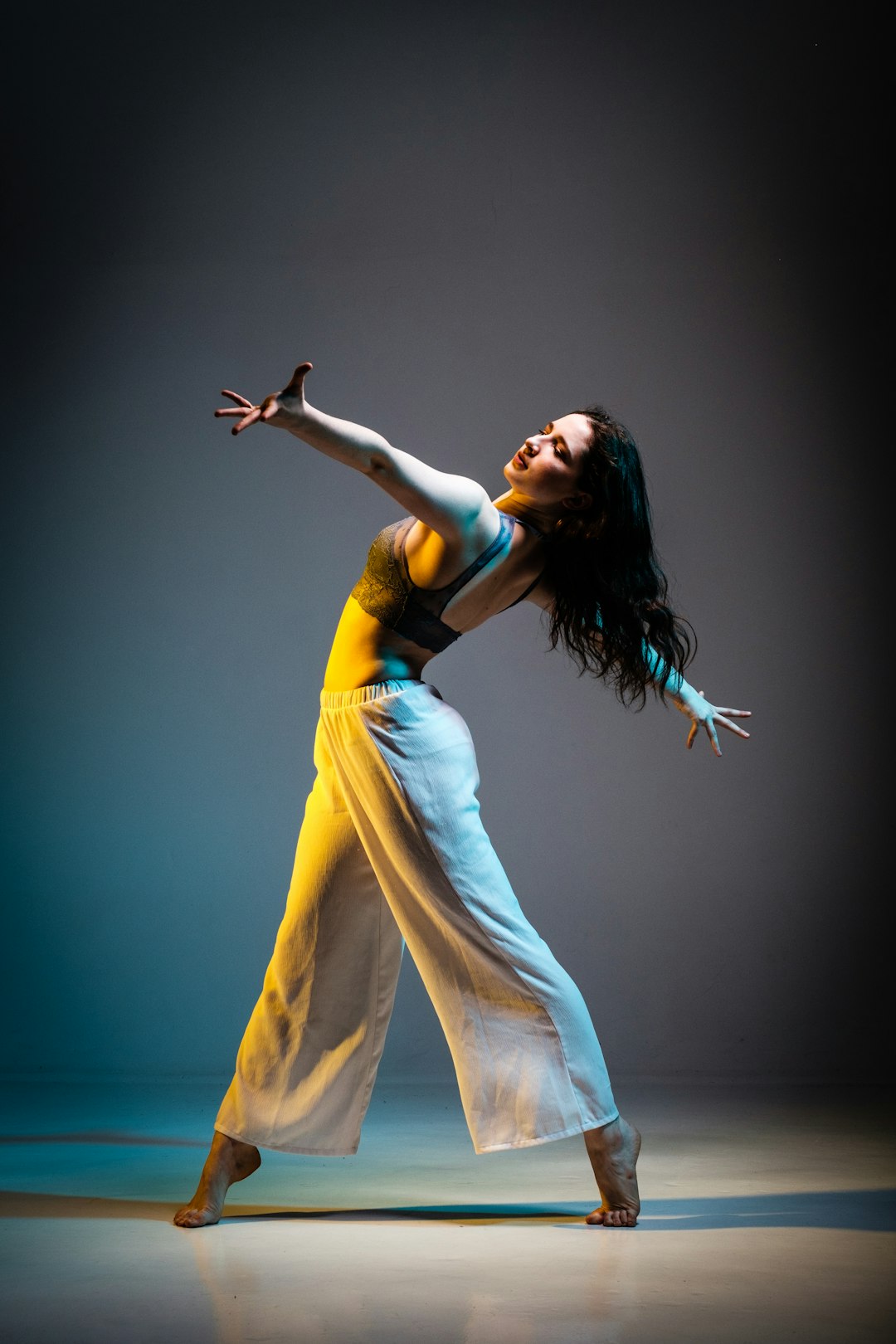
For nearly four centuries, the magic of ballet was confined to the hushed, velvet-lined darkness of the opera house—a fleeting, ephemeral experience shared only by those present. Today, that same magic arrives through the glow of a laptop screen and the immersive embrace of a VR headset. The digital age is not diminishing ballet; it is providing a powerful new canvas. Ballet companies worldwide are undergoing a profound transformation, leveraging technology not just as a stopgap, but as a strategic tool to expand their reach, explore new artistic frontiers, and secure their future relevance.
The Great Digital Pivot: From Live Streams to Global Audiences
The COVID-19 pandemic acted as a brutal but undeniable catalyst. Overnight, shuttered theaters forced iconic institutions into rapid innovation. Companies like New York City Ballet launched "NYCB @ Home," offering subscribers archival performances alongside newly filmed content shot in empty studios, while London's Royal Ballet's "Royal Opera House Stream" presented curated digital seasons that blended classic recordings with pandemic-era creations.
This pivot revealed a paradigm shift. It was no longer just about broadcasting a performance. It became about creating a digital ecosystem:
- Behind-the-Scenes Access: Documentaries, rehearsals, and interviews demystified the art form
- Educational Outreach: Masterclasses and youth workshops became globally accessible
- New Revenue Models: Flexible pay-per-view and subscription services emerged alongside traditional tickets
The impact on audience reach was substantial. Arts Council England reported digital audiences for dance organizations reaching numbers that would have required decades of touring to match in person—though converting those viewers to paying subscribers proved elusive. A viewer in Tokyo could now watch a premiere from San Francisco, expanding geographical access even as socioeconomic barriers persisted for those without reliable broadband or devices.
What began as economic necessity quickly evolved into creative opportunity. The same institutions streaming archival Swan Lakes to stay solvent began asking a more ambitious question: what can digital do that the stage cannot?
Immersive Frontiers: Virtual Reality and Experimental Storytelling
Pushing beyond passive streaming, pioneering artists and companies are using immersive technology to redefine the spectator's role. Virtual Reality has moved from novelty to genuine artistic medium.
This exploration takes two primary forms:
360-Degree Capture places the viewer in the best seat in the house with the freedom to look anywhere. The Mariinsky Theatre's VR recordings of Giselle and The Nutcracker allow users to stand onstage among the corps de ballet, witnessing spatial patterns invisible from any fixed seat.
Native VR Choreography treats technology as integral to the art itself. In 2017, Wayne McGregor collaborated with King's Cultural Institute on Lilac Garden, a VR deconstruction of Antony Tudor's 1936 ballet. Users could manipulate time—slowing a partnered lift to anatomical study speed—or position themselves within the partnering, perspectives impossible in theatrical presentation. McGregor described the medium as creating "a new, parallel artistic language for movement."
More recently, McGregor's 2022 MaddAddam—a National Ballet of Canada co-production based on Margaret Atwood's trilogy—built digital worlds where viewers are placed within the narrative, surrounded by dancers in impossible, gravity-defying environments.
The goal is not to replicate the live experience, but to create something uniquely powerful and personal—an intimate connection previously impossible from a theater seat.
Navigating Challenges: The Uneven Path Forward
This digital transformation is not without its complexities. Companies grapple with production costs that can exceed $100,000 for a single VR project, the ongoing challenge of monetizing digital content effectively, and concerns over the "digital divide" limiting access for some.
There is also a vital artistic debate that resists easy resolution. Tamara Rojo, then artistic director of English National Ballet, initially resisted streaming, arguing in a 2020 interview that ballet "lives in the exchange of breath between dancer and audience." Her eventual conversion to hybrid programming—and subsequent ambivalence about its limitations—mirrors the industry's broader reckoning. The question persists: does digital mediation lose the essential, electric energy of a shared live experience?
The emerging consensus is not of replacement, but of complementary coexistence. The future is hybrid. The core of ballet—the breathtaking athleticism, emotion, and grace of the human body—remains unchanged. Its presentation and business models, however, are evolving.
What Comes Next: A Hybrid Horizon
Looking ahead, we can expect:
- Augmented Reality (AR): Imagine pointing a smartphone at a poster to see a holographic dancer perform a snippet of an upcoming production
- Interactive & Gamified Elements: Pioneers like Blanca Li have used motion-capture to let audience avatars interact with performers in real-time
- Enhanced Live Experiences: Haptic suits and in-theater AR could one day add sensory layers to traditional performances
Whether you are a lifelong devotee








