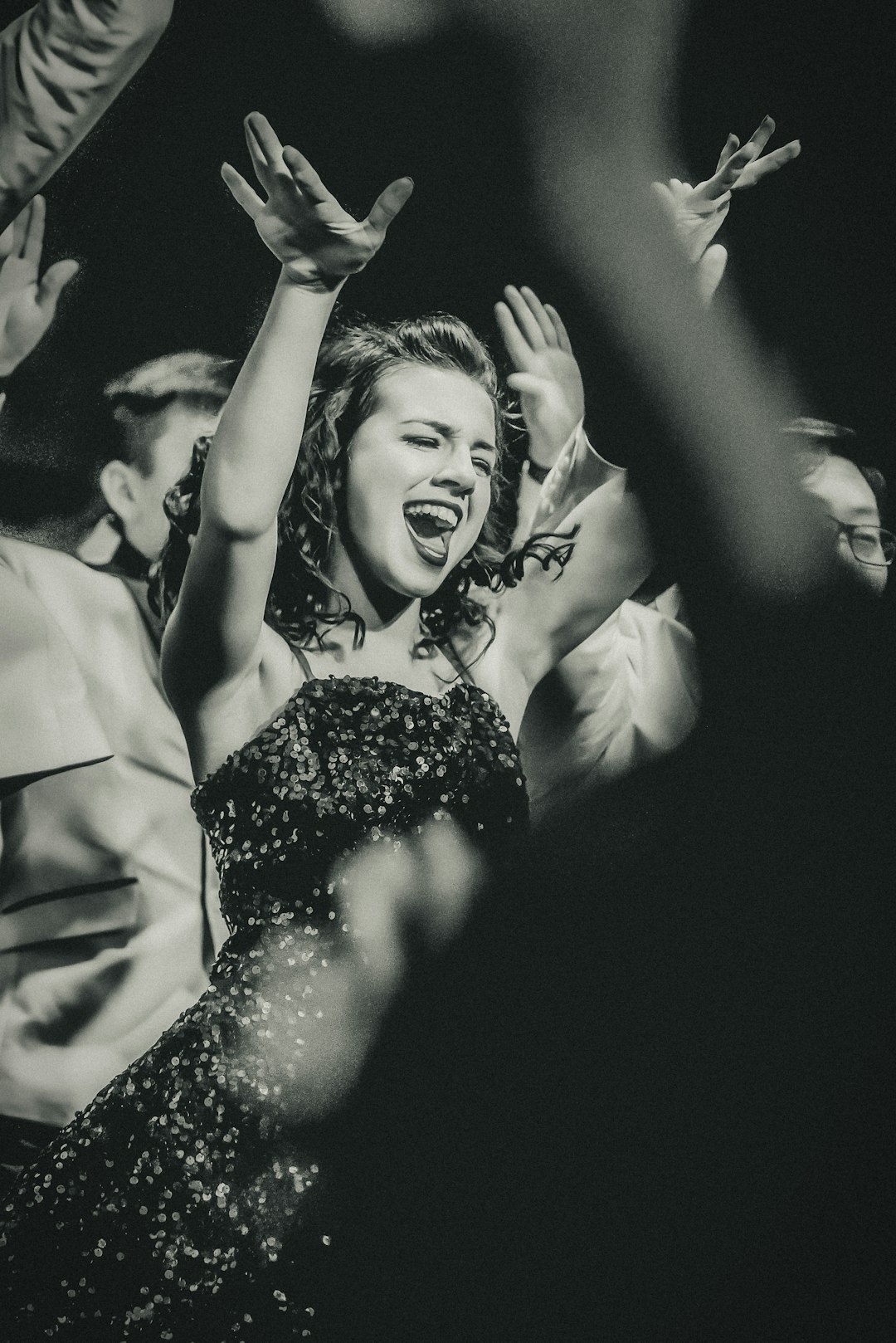
In the dazzling world of ballroom, fashion is far more than adornment—it's an extension of the dance itself. The right costume amplifies movement, embodies character, and captivates the judges' eye. As we move through 2024, the trends in ballroom dance costumes reflect a fascinating blend of architectural design, theatrical color, and innovative textiles, all engineered for performance. Let's explore the key trends setting the competition floor alight.
Silhouettes in Motion: The Cut of 2024
The silhouette of a costume is its first statement, dictating how a dancer's lines are perceived and how the fabric interacts with every step, turn, and hold. This year's popular styles are all about dynamic contrast and purposeful construction.
The Rise of Asymmetrical Hemlines
Asymmetrical hemlines are dominating the scene, particularly in vibrant Latin costumes for dances like the Cha-Cha and Samba. This isn't just a fashion choice; it's a choreographic one. The uneven lines accentuate sharp hip actions, create unexpected visual interest during spins, and add a modern, dramatic edge that stands out in a lineup. It’s a trend that celebrates controlled imbalance, mirroring the dynamic energy of the dances themselves.
Architectural Support: Structured Bodices
The comeback of the structured bodice speaks to a desire for both form and function. Beyond providing a flattering, cinched silhouette, these engineered tops offer crucial support for complex dance sport maneuvers. Advances in internal boning and flexible yet firm materials allow for freedom of movement without sacrificing shape or security, making them a favorite for powerful Standard and Smooth dancers.
Volume and Flow: Layered Skirts
Layered skirts remain a cornerstone of ballroom design, but the approach has evolved. For Standard gowns, layers create a majestic, floating effect that enhances the dance's sweeping movements. In Latin, layers are often cut and weighted differently—perhaps with a shorter, stiffer top layer over a flowing base—to add percussive flair to kicks and flicks without weighing the dancer down.
A Palette for Performance: Colors That Command Attention
Color in ballroom is never passive. It’s a strategic tool designed to capture light and emotion, telling a story from the back row of a grand venue like the Blackpool Dance Festival.
The Power of Jewel Tones
Rich, deep jewel tones—emerald, sapphire, amethyst—are a dominant force. Their popularity isn't just about opulence; these colors possess a unique depth that catches and holds stage lighting from every angle, ensuring the dancer is a vivid focal point throughout the entire ballroom.
Glamorous Metallics
Metallics like gold, silver, and rose gold continue to add high-voltage glamour. Under lights, these shades transform costumes into reflective canvases, with every movement creating a shimmering effect. They are especially popular for creating show-stopping Latin dance costumes that emphasize the body's rhythm and shine.
Soft-Focus Pastels
Providing a beautiful counterpoint, soft pastel palettes are making a refined statement. Often seen in Waltz or Foxtrot costumes, these hues—blush pink, powder blue, lavender—convey romance, elegance, and a timeless grace. They offer a more subtle, ethereal presence that can be incredibly powerful in slower, more expressive dances.
The Fabric of Dance: Materials That Move With You
The choice of material is where aesthetics meet practicality. The best fabrics serve as a silent partner, enhancing movement without restriction.
Classic Luxe: Satin
Satin remains a perennial favorite for its luxurious sheen and smooth, flowing drape. Its weight provides a beautiful fall for Standard gowns, helping skirts maintain their elegant shape as they travel across the floor. Modern satins often incorporate stretch for improved comfort and fit.
Detailed Elegance: Lace
Intricate lace is synonymous with elegance and femininity. In 2024, it’s being used both as delicate overlay on sheer mesh and as the main fabric with strategic stretch panels. It adds texture and vintage-inspired detail, often seen on bodices and skirt accents for a touch of sophisticated romance.
Airy Movement: Chiffon & Lightweights
Lightweight materials like chiffon are essential for creating volume and ethereal movement. The key to their performance use is in the finishing—hems are often carefully weighted to ensure the fabric floats beautifully during turns and extends gracefully on long lines, rather than flying unpredictably.
Conclusion: The Synergy of Style and Motion
The 2024 trends in ballroom dance fashion reveal a clear theme: intentionality. From the dramatic lines of asymmetrical cuts to the strategic impact of jewel tones and the engineered support of structured fabrics, every element is designed to enhance performance. The modern competition wear is a masterpiece of synergy, where fashion doesn't just adorn the dancer but actively participates in the storytelling of the dance. As you choose or design your next costume, consider how these trends can work together to not only reflect your personal style but to become a dynamic component of your artistry on the floor.










