The Floor Never Lies
I've watched beginners show up to their first capoeira class in running shoes, wrestling shoes, even Converse. The mestre takes one look, shakes his head, and points to the corner where the serious practitioners sit, unlacing well-worn canvas flats that have seen hundreds of rodas. Within a month, those same beginners understand why.
Your feet take a beating in capoeira. Spinning on concrete, dragging across gym floors, absorbing the impact of aerials and landing from backflips. The wrong shoes? They'll fight every movement you make.
What Makes Capoeira Different
Picture this: you're in the middle of a ginga, weight shifting constantly, and suddenly your partner throws a meia lua de compasso. You dodge with an esquiva, then flow into an au. Your shoes need to pivot instantly, grip when you push off, and slide when you spin. Most athletic footwear fails at least one of these.
Capoeira-specific shoes solve this puzzle. They're thin-soled enough that you can feel the ground beneath you—essential for balance during acrobatic movements. But they've still got enough cushioning that a two-hour training session doesn't leave your feet throbbing.
The Sole Story
Here's what separates capoeira shoes from everything else in your closet: the sole.
Too sticky, and you'll catch mid-spin, wrenching your knee. Too slippery, and your supporting foot slides out during a kick. The sweet spot? A thin rubber or gum sole with just enough texture to grip smooth surfaces without grabbing.
Some practitioners swear by samba shoes—those flat, lightweight canvas numbers designed for Brazilian dance. Others prefer martial arts shoes with pivot points built into the sole. Both work, but they feel different underfoot.
Finding Your Fit
Tight shoes restrict blood flow. Your feet go numb halfway through training, and suddenly you can't feel your landings. Loose shoes create blisters at every pressure point.
The right fit hugs your foot like a second skin. No sliding around inside the shoe, no pinching at the toes. Most capoeiristas go true to size or half a size up if they train in socks—which some do, especially in colder months.
The Durability Question
I've seen cheap shoes disintegrate mid-class. Toe dragging during rasteira movements wears through thin canvas fast. Rough outdoor surfaces chew up soft soles.
Quality capoeira shoes feature reinforced stitching at stress points and durable materials that handle the abuse. Yes, they cost more upfront. But replacing twenty-dollar shoes every two months adds up faster than investing in one sixty-dollar pair that lasts a year.
Expression Matters
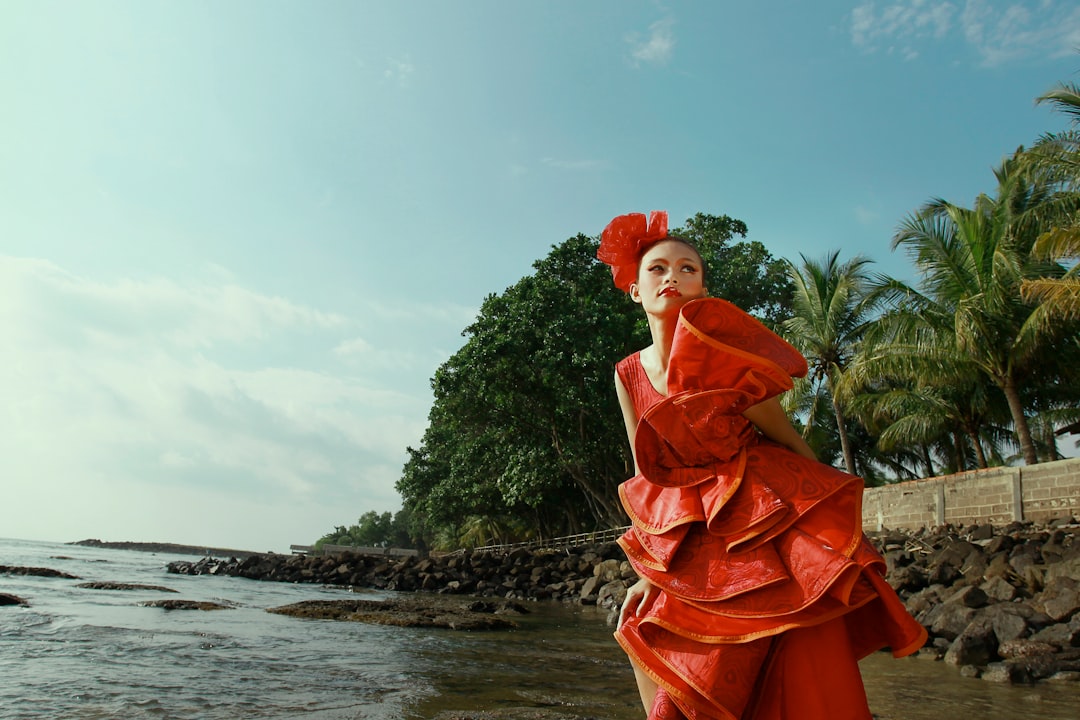
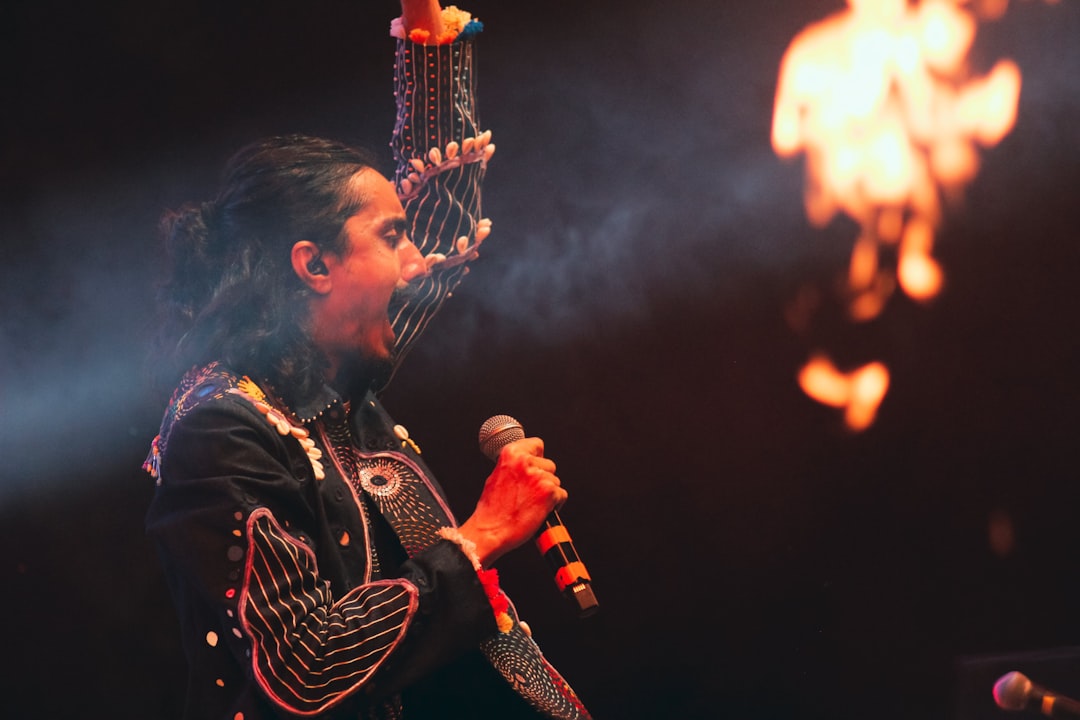
Capoeira is performance. The roda is theater, music, and athleticism rolled together. Your shoes—visible during every kick, every flip, every ground movement—are part of that visual story.
Some players stick with classic black or white. Others rock bold colors that match their abadá or express their personality. Neither approach is wrong. But choosing something you feel good wearing? That confidence shows in your game.
Before You Buy
If your academy has a pro shop, try shoes on there. Walk around, do a few ginga steps, pivot on the ball of your foot. Notice if your heel lifts, if the sole catches, if anything pinches.
Ordering online? Check return policies first. What looks perfect on screen might feel completely different in motion.
The Bottom Line
There's no single perfect capoeira shoe—only the one that's perfect for your feet, your style of play, and your training environment. Start with something designed for the art form, pay attention to how it feels during real movements, and don't be afraid to experiment.
Your shoes are the only thing between you and the ground. Make them count.