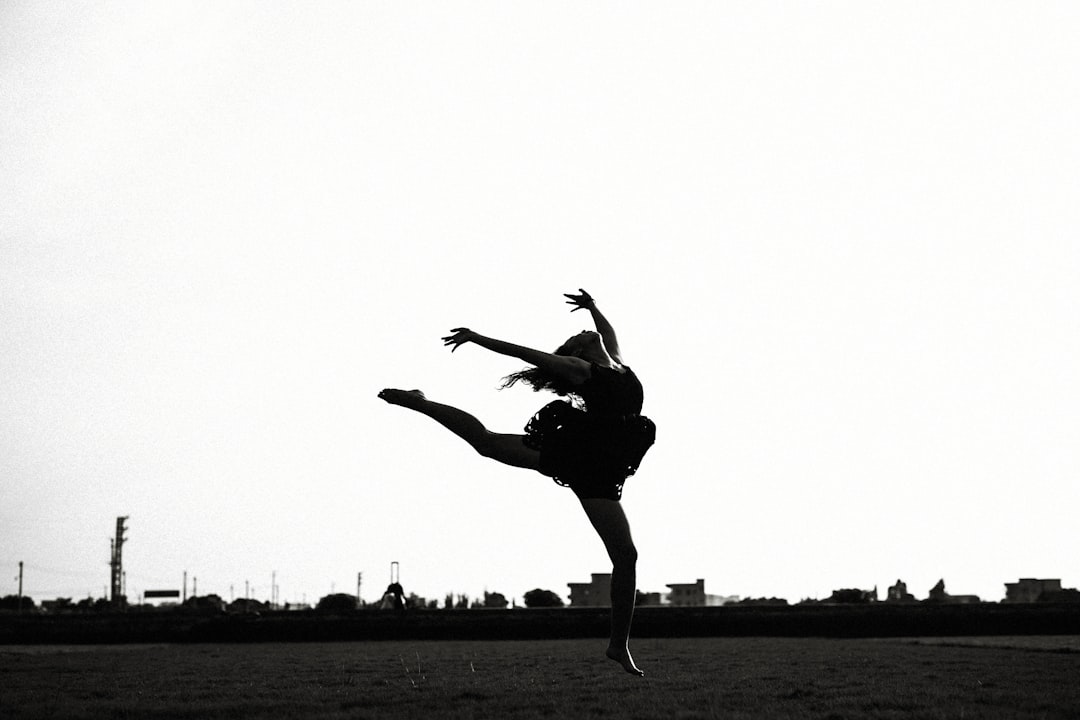
Feeling a mix of excitement and nerves about your first ballet class? You're not alone. That feeling is completely normal. The best antidote is preparation. This guide will build your confidence from the ground up, covering the essential gear you need, how to practice at home, and the mindset that will turn a daunting first step into a joyful journey.
The Essential Studio Uniform: What to Wear & Bring
Your attire is your first tool. It allows for unrestricted movement and helps your teacher see your alignment for proper correction. Most studios have a basic dress code, but when in doubt, opt for simplicity and functionality. Focus on these core four items first.
The Core Four: Leotard, Tights, Shoes & Skirt
-
The Leotard: Your Foundation. Start with a simple camisole or tank-style leotard. Think of it as your second skin—it should feel secure and streamlined. For your first classes, choose a comfortable, breathable fabric in a solid color like black, navy, or burgundy. Fit Tip: If you're between sizes, size up for comfort. You should be able to breathe deeply and move without pinching.
-
Ballet Tights: Creating the Line. Ballet tights do more than provide light support; they create the elongated silhouette central to ballet. This is a crucial visual training tool for seeing the line of your leg from hip to toe. Most beginners start with pink or flesh-toned convertible tights (which have a hole under the foot to be worn as footless). Always check your studio's specific color requirements.
-
Ballet Shoes: Your Connection to the Floor. Your first pair of ballet shoes—often called slippers—is your most personal tool. Beginners typically start with a full-sole leather or canvas shoe to help develop foot strength. The fit should be snug and secure, with your toes flat and able to spread slightly, but not curled or cramped. When standing flat, the sole should lie completely smooth against your foot. Note: Many studios require specific colors, with pink being the most common for beginners.
-
Skirt or Shorts: For Comfort & Style. A simple wrap skirt or fitted dance shorts pairs with your leotard for modesty and a touch of classic ballet style. Choose lightweight fabrics that move with you.
A Quick, Reassuring Note on What You Don't Need Yet: As a beginner, you can safely avoid pointe shoes (your teacher will tell you when you're ready), expensive warm-up outfits, and complex accessories. Master the joyful fundamentals first.
In Your Dance Bag: Health & Preparedness
Dancing is a physical discipline. Supporting your body is a non-negotiable part of your practice.
- A Reliable Water Bottle. Staying hydrated is essential for peak performance, focus, and recovery. Sip regularly throughout class to maintain energy.
- A Basic Dance First Aid Kit. Be prepared for minor mishaps. A small kit with blister pads, pre-cut moleskin, athletic tape, and antiseptic wipes lets you handle small issues quickly, preventing them from derailing your progress.
Your Home Practice Toolkit: Accelerate Your Progress
Once you're kitted out for the studio, you can extend your progress by creating a simple, dedicated practice space at home. This builds muscle memory and deepens your understanding between classes.
A Practice Barre (Or a Safe Substitute)
You’ll spend countless hours at the barre, making it your best friend for building technique. A portable ballet barre is a great investment. On a budget? A stable chair back, sturdy countertop, or clean wall can work as a temporary substitute. Pro Tip: Ensure your substitute is absolutely stable and at an appropriate height (approximately your hip bone) to avoid strain.
Music & Musicality: Finding Your Rhythm
Classical ballet music isn’t just background noise; it teaches you rhythm, phrasing, and artistry. Search for "ballet class piano" or "barre playlist" on streaming services. Repetition is key—practicing to the same music helps cement the rhythm in your body. For slow exercises like pliés, try the adagio from Swan Lake. For quicker movements, explore pieces like Delibes' Coppélia.
Supplemental Tools: Band & Resources
- A Stretch Band for Safe Flexibility. A simple resistance band is a versatile tool for improving flexibility and strengthening your feet. Important: Never use it to force a stretch. Use it to gently guide your limb deeper, holding for 20-30 seconds.
- Foundational Knowledge. Supplement your learning with trusted resources. Look for beginner-focused books like The Ballet Companion or follow reputable YouTube channels dedicated to ballet fundamentals to demystify French terminology.
The Dancer's Mindset: Your Most Important Tool
Beyond the leotard and shoes, your most important asset is a positive, patient attitude. Ballet is challenging and humbling for everyone at the start. This mindset is what turns a frustrating session at the barre into a lesson.
- Process correction without self-criticism. Every note is a gift that helps you grow.
- Celebrate small victories. The first time you hold your turnout, or perfectly time a step with the music, is a win.
- Set a simple intention. Before class, choose one positive focus, like "I will notice my posture today" or "I will enjoy the music."
- Embrace the journey. A resilient, curious spirit will carry you through every plié and pirouette.
Your Final Pre-Class Checklist
Before you head to the studio, run through this last-minute list:
✅ Dancewear: Leotard, tights, shoes, and skirt/shorts. ✅ Hair: Securely tied back off your face and neck. ✅ Water Bottle: Full and ready to go. ✅ Open Mind & Ready-to-Learn Spirit: Your most valuable assets.
With the right gear in your bag, a few simple tools at home, and a patient heart, you've done more than just get ready for a class—you've laid the foundation for a joyful journey. Now, take that deep breath, and enjoy your first step into the beautiful world of ballet.










