Belly dance costumes do more than adorn the dancer—they amplify movement, honor tradition, and signal stylistic identity. Whether you're stepping into your first class or building a professional performance wardrobe, understanding what to wear and why transforms how you approach this art form. This guide covers costume essentials across major belly dance genres, with practical advice on fit, materials, budget, and cultural sensitivity.
Understanding the Styles: Costume as Genre Identifier
Belly dance encompasses distinct traditions, each with its own visual language. Your costume immediately communicates which style you perform.
Raqs Sharqi (Egyptian Cabaret)
The iconic bedlah—Arabic for "suit"—defines this glamorous stage style. A matching bra and belt set, heavily embellished with beads, sequins, and fringe, forms the costume's core. Skirts range from fitted mermaid silhouettes to flowing chiffon circles. Egyptian cabaret emphasizes the dancer's curves through structured, ornate pieces that catch light with every hip drop and shimmy.
American Tribal Style (ATS) and Tribal Fusion
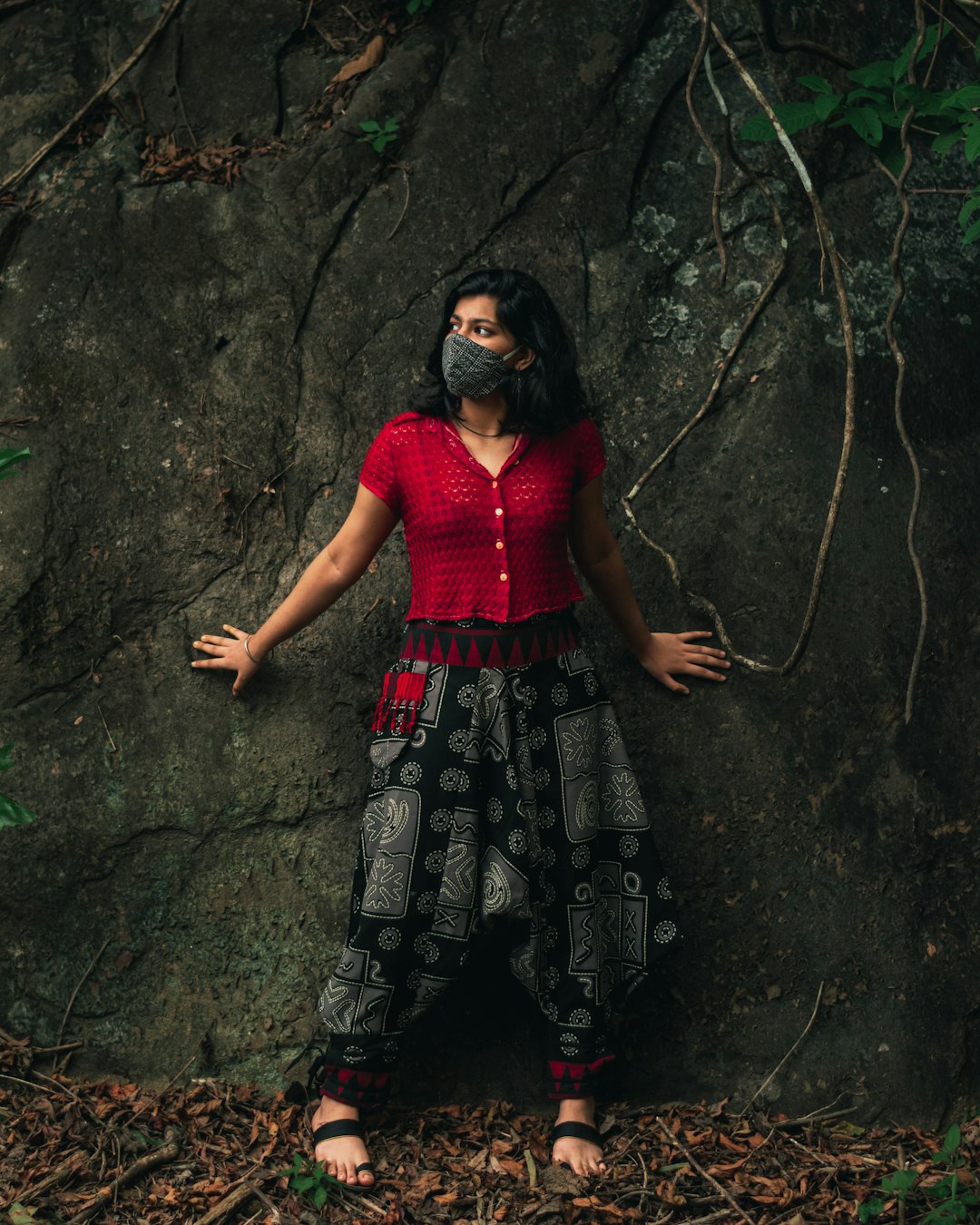
Born in 1970s California, ATS created an entirely new aesthetic. Layering is essential: pantaloons (wide-leg pants gathered at the ankle) form the base, topped with skirts, cholis (midriff-baring tops), vests, and heavy ethnic jewelry. Earth tones, natural fibers, and coins or metal accents replace the bedlah's sparkle. Tribal Fusion branches into darker, edgier territory—think industrial music, steampunk accessories, and experimental silhouettes.
Baladi and Folkloric Styles
Baladi means "of the country" in Arabic, referring to Egyptian working-class urban dance. Costumes here are simpler: a loose, straight-cut dress (baladi dress) worn with a hip scarf, or a gathered skirt with a fitted top. Regional folkloric styles demand specific garments—Saidi dance from Upper Egypt uses long robes with wide sleeves, while Khaleegy from the Persian Gulf features flowing, embroidered thobes with hair tossing as a central movement.
The Bedlah Deconstructed
For cabaret performers, the bedlah remains the gold standard. Understanding its components helps you invest wisely.
The Bra
Unlike everyday lingerie, a dance bra functions as outerwear and engineering. It must:
- Support through vigorous movement without shifting
- Accommodate costume changes (many professional dancers own multiple bras for one belt)
- Feature decoration on all visible surfaces—straps, cups, and band
Custom bras start around $150; professional-quality pieces from renowned makers reach $600+. Off-the-rack costume sets ($80–$250) suit students but rarely fit perfectly without alteration.
The Belt
The hip belt or hip scarf anchors your visual focus. Egyptian-style belts sit low on the hips, often 8–12 inches tall in front with decorative fringe that accentuates shimmies. Construction matters: fully beaded belts weigh several pounds and require secure closures (hooks, snaps, or lacing). Coins—once actual currency, now typically reproductions—add audible rhythm but are heavier and noisier than beaded fringe.
Skirts and Accessories
Circle skirts in chiffon or silk create beautiful movement, while mermaid skirts with side slits allow floor work visibility. Arm bands, necklaces, headpieces, and finger cymbals (zills or sagat) complete the ensemble. Professional dancers often coordinate with live musicians, selecting accessories that complement rather than compete with their sound.
Fabrics and Function: What Works Where
Material choice separates practice wear from performance costumes.
| Purpose | Ideal Fabrics | Avoid |
|---|---|---|
| Intensive practice | Bamboo, moisture-wicking nylon-spandex blends, breathable cotton-lycra | Heavy polyester that traps heat, non-stretch materials that restrict movement |
| Performance | Silk chiffon, crepe, stretch velvet, assuit (metallic mesh on cotton net) | Cheap costume satin that wrinkles and reflects light harshly |
| Tribal/ATS layering | Natural cotton, linen, hand-woven textiles, leather accents | Synthetic fabrics that don't breathe during long sets |
Assuit deserves special mention: this Egyptian textile, with hammered silver or gold metal woven into cotton mesh, catches light dramatically and carries historical significance. Genuine vintage assuit requires delicate care; modern reproductions offer durability at lower cost.
Fit and Function: Engineering for Movement
A belly dance costume must accommodate specific physical demands:
- Torso undulations require flexible, non-restrictive midsections—why many cabaret costumes separate bra and belt rather than using one-piece designs
- Shimmies need stable hip coverage that doesn't ride up; proper belt weight and closure placement prevent shifting