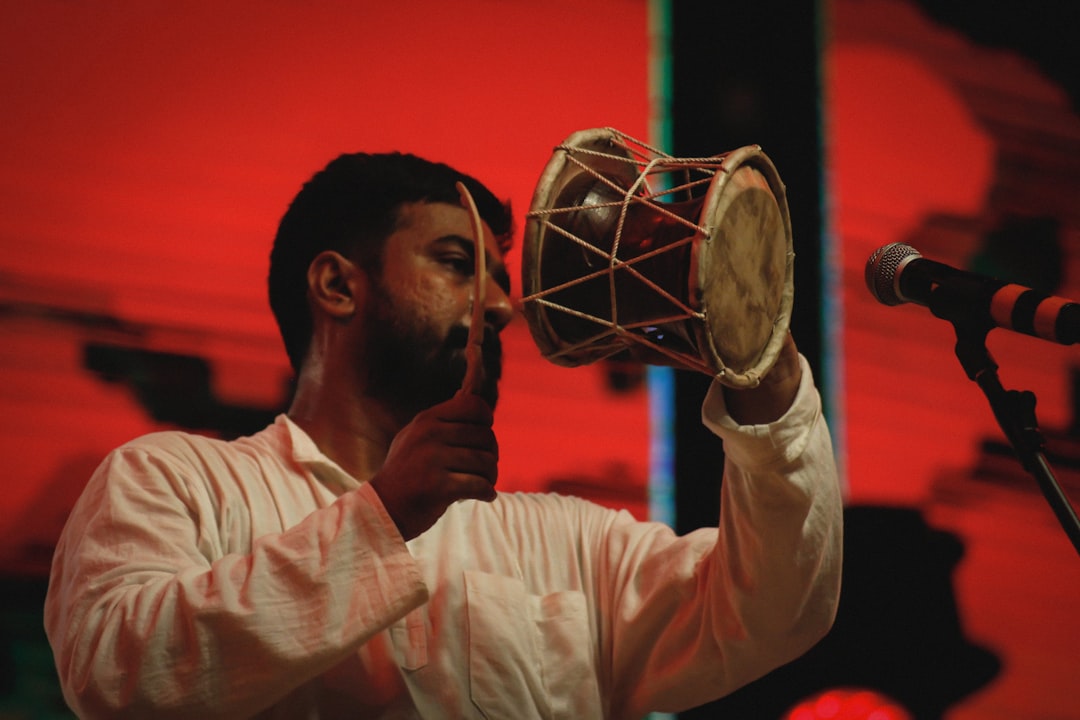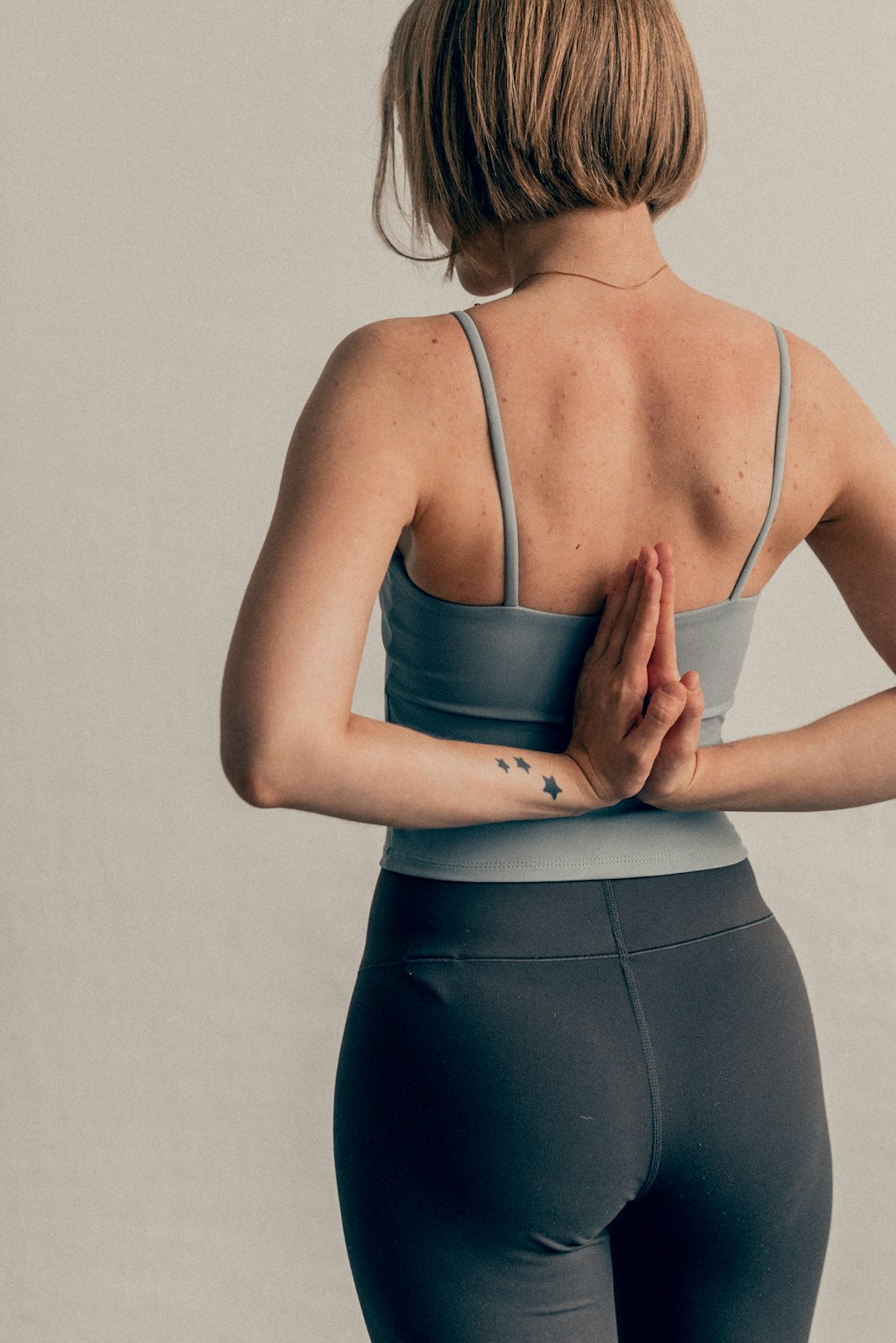
Welcome to the world of belly dance—a practice that blends physical expression, cultural tradition, and personal empowerment. Whether you're looking for a new fitness routine, a creative outlet, or a deeper connection to Middle Eastern and North African art forms, this guide will walk you through everything you need to know to begin with confidence.
What Is Belly Dance?
Belly dance is a diverse, expressive dance form rooted in the social and performance traditions of the Middle East, North Africa, and the Mediterranean. In Arabic-speaking countries, it's often called Raqs Sharqi ("Eastern dance" or "Oriental dance")—a term that reflects its cultural origins more accurately than the Western label "belly dance," which can be misleading.
Despite the name, belly dance is not limited to movements of the abdomen. It is a full-body art form that emphasizes intricate isolations of the hips, torso, shoulders, and arms, all set to rhythmic, melodic music. Styles vary widely by region, era, and individual interpretation, making it one of the most adaptable dance forms you can learn.
How to Start Belly Dancing
1. Choose a Style That Fits You
One of the first decisions you'll make as a beginner is which style to study. Here's a quick breakdown of three popular approaches:
- Egyptian Raqs Sharqi: The most globally recognized style, emphasizing controlled, internal movements, emotional musical interpretation, and elegant posture. If you love storytelling through subtlety, this is a strong starting point.
- Turkish Oriental: Higher energy than Egyptian style, with sharper isolations, faster tempos, and more floor work and spins. It suits dancers who enjoy athleticism and theatrical flair.
- American Tribal Style® (ATS) and Tribal Fusion: These Western-developed styles use group improvisation, a vocabulary of visual cues, and formations. The aesthetic is earthy and muscular, drawing from flamenco, Indian dance, and North African movement. Ideal if you value community and alternative fashion.
You don't need to commit to one style forever. Many dancers begin with Egyptian or Turkish cabaret fundamentals and branch out later.
2. Find the Right Class or Instructor
A qualified instructor is invaluable for building safe technique and musical understanding. When evaluating options, consider:
| Format | Best For | What to Look For |
|---|---|---|
| In-person classes | Dancers who want hands-on corrections and community | Clear beginner-level curricula, mirrors, and proper flooring |
| Live online classes | Those with schedule constraints or limited local options | Real-time feedback, small class sizes, and camera positioning guidance |
| Pre-recorded courses | Self-motivated learners who want to review material repeatedly | Progressive lesson structures, multiple camera angles, and instructor credentials |
Ask potential instructors about their training background, performance experience, and whether they teach technique alongside cultural context. Avoid classes that skip posture and alignment entirely in favor of choreography.
3. Dress for Movement
You do not need a sequined costume to start. Wear fitted, stretchy clothing that lets you see your body alignment—think yoga pants or leggings paired with a close-fitting top. Bare feet or dance socks work well for most studio floors. As you progress, a simple hip scarf with coins or fringe can help you visualize hip movements and add satisfying auditory feedback.
3 Essential Belly Dance Moves for Beginners
These foundational movements appear across nearly every belly dance style. Focus on quality over speed, and always warm up first.
The Hip Shimmy
A continuous, rapid vibration of the hips created by alternating the knees (or, in some styles, engaging the obliques). Keep your heels grounded, your knees soft, and your lower back relaxed. Common mistake: bouncing from the feet or tensing the glutes, which quickly causes fatigue and looks jerky.
The Hip Drop
Shift your weight onto one leg with the knee slightly bent. Lift the opposite hip, then drop it sharply on the beat, keeping the weighted leg stable. This move builds core control and appears constantly in beginner choreography. Common mistake: leaning the torso away from the dropping hip rather than keeping the ribcage centered.
The Torso Undulation
A smooth, wave-like motion that travels through the chest, ribcage, and abdomen. Think of lifting the chest, arching the upper back, tucking the pelvis, and releasing—then reversing the path. Done well, it looks liquid and effortless. Common mistake: collapsing the lower back or rushing the sequence. Move slowly until each segment feels distinct.
Beginner FAQ: What New Dancers Worry About Most
Do I need a certain body type?
No. Belly dance is practiced by people of all ages, sizes, and fitness levels. The technique relies on muscle control, not body shape. Many dancers find that the