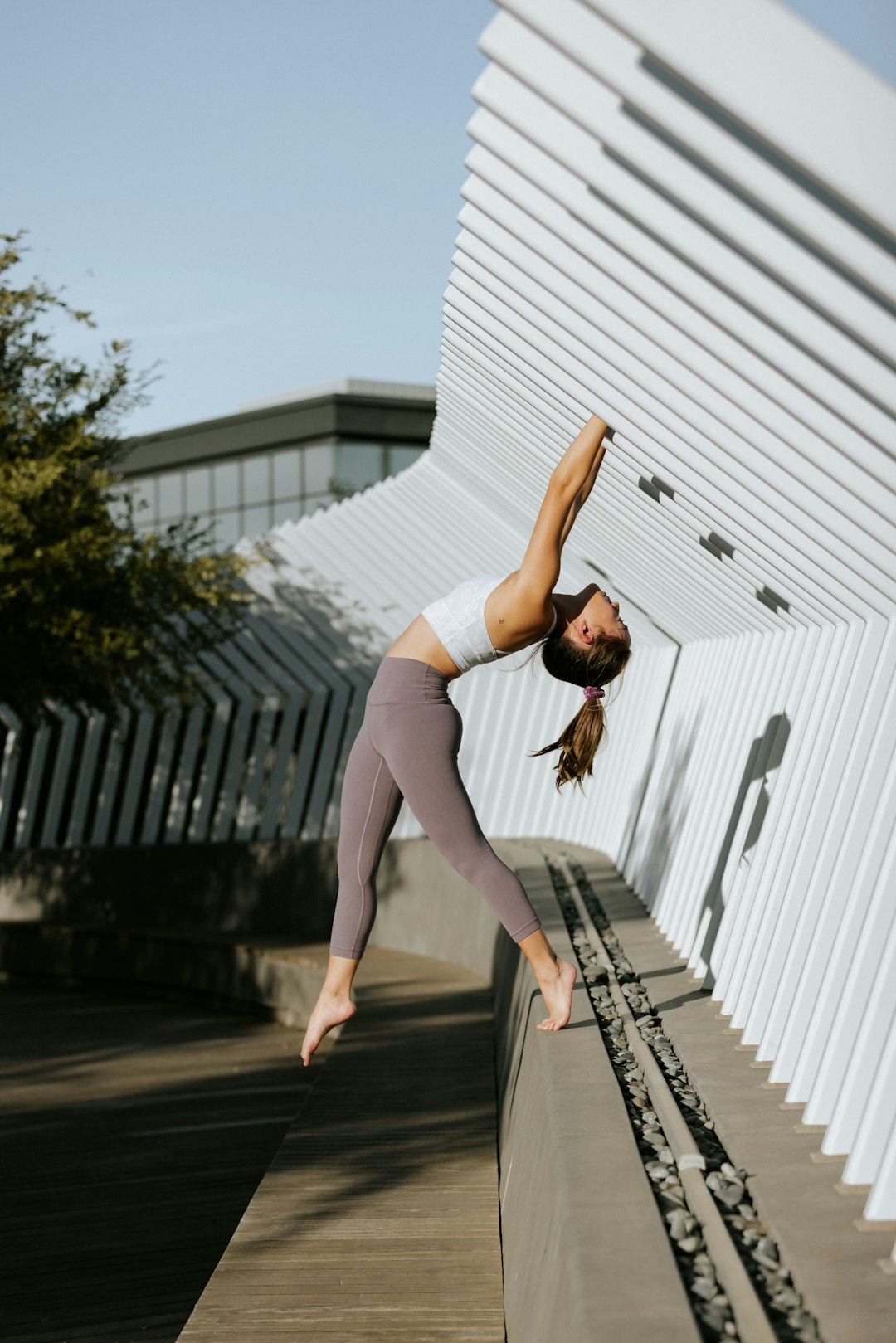
Welcome to the enchanting world of belly dance. Whether you're drawn to this art form for its cultural richness, fitness benefits, or sheer creative joy, starting your belly dance journey can feel both exciting and a bit overwhelming. This guide goes beyond the basics to answer the questions real beginners have—helping you choose the right class, understand what to expect, and build a practice that lasts.
What Is Belly Dance?
Belly dance is a traditional Middle Eastern dance form that has evolved over centuries across diverse regions and cultures. At its core, it involves intricate, isolated movements of the torso, hips, and arms, often set to rhythmic, melodic music. The dance is celebrated for its fluidity, grace, and accessibility—dancers of all ages, body types, and fitness levels can participate and thrive.
However, "belly dance" is not one monolithic style. As a beginner, knowing the major traditions can help you find instruction that matches your interests:
| Style | Characteristics |
|---|---|
| Egyptian Raqs Sharqi | Elegant and internal, with relaxed knees, subtle hip work, and strong emotional expression |
| Turkish Oriental | Faster, more athletic, with sharper isolations and frequent floor work |
| American Tribal Style (ATS) | Group improvisation, fused influences, and a distinct costuming aesthetic |
Many beginners start with Egyptian or Turkish Oriental before exploring fusion styles. Don't worry if you're unsure—your first instructor can help you discover what resonates.
How to Choose Your First Class
Not all belly dance classes are created equal. Here's what to look for when evaluating instructors and studios:
- Anatomical teaching approach. Seek instructors who break down movements using muscle engagement and body mechanics, not just visual mimicry. This accelerates learning and reduces injury risk.
- Style transparency. Ask which style(s) they teach so you don't accidentally enroll in a fast-paced Turkish class when you wanted the softer elegance of Egyptian dance.
- Experience and background. Look for teachers with several years of performance and teaching experience. Certifications from recognized programs (such as those by master Egyptian or Turkish dancers) are a plus.
- Class environment. A good beginner class should feel challenging but never shaming. Many studios offer a free trial class—take advantage of it.
Online vs. in-person: Local classes provide real-time feedback and community, which are invaluable for beginners. Online platforms work well as supplements, especially for practice between classes or if you live in a rural area.
What to Wear (and What Not to Buy Yet)
You do not need a costume to start. Comfortable, form-fitting attire that lets you see your body's alignment is ideal:
- Top: Fitted tank top or T-shirt
- Bottoms: Yoga leggings or stretchable dance pants
- Footwear: Barefoot or soft dance socks
Many beginners are tempted to buy a coin hip scarf immediately. While these can help you hear and accentuate hip movements, they're optional. Wait until you've committed to several months of study before investing in performance costumes, which can cost hundreds of dollars.
Common beginner anxiety: "Do I need to show my stomach?" Absolutely not. Most beginner classes are full of students in T-shirts and leggings.
What to Expect in Your First Class
Walking into your first belly dance class is easier when you know the typical structure:
- Warm-up (5–10 minutes): Gentle stretching, posture alignment, and breath work
- Technique drills (20–30 minutes): Breaking down isolations—hip circles, shimmies, chest lifts, and more
- Movement combinations (10–15 minutes): Stringing steps together into short sequences
- Cool-down (5 minutes): Stretching and sometimes brief freestyle or improvisation
Expect to dance barefoot in front of mirrors. Don't be surprised if you feel uncoordinated at first—isolating your hips while keeping your upper body still is a learned skill, not a natural one.
Essential Belly Dance Moves: Mini-Tutorials
These three foundational movements appear in nearly every style. Read through each tutorial, then try them slowly in front of a mirror.
Shimmy
A rapid, vibrating movement of the hips.
- Starting position: Feet hip-width apart, knees soft, weight evenly distributed
- Muscle engagement: Alternate bending and straightening the knees rapidly while keeping the movement small and controlled
- Common mistake: Locking the knees or letting the shimmy travel up into the shoulders
- Practice tip: Start at half-speed with a metronome app. Build speed only when you can maintain relaxation in your upper body
Hip Drop
A sharp downward accent of one hip.
- Starting position: Stand with feet hip-width apart, weight shifted onto one leg
- **Muscle engagement