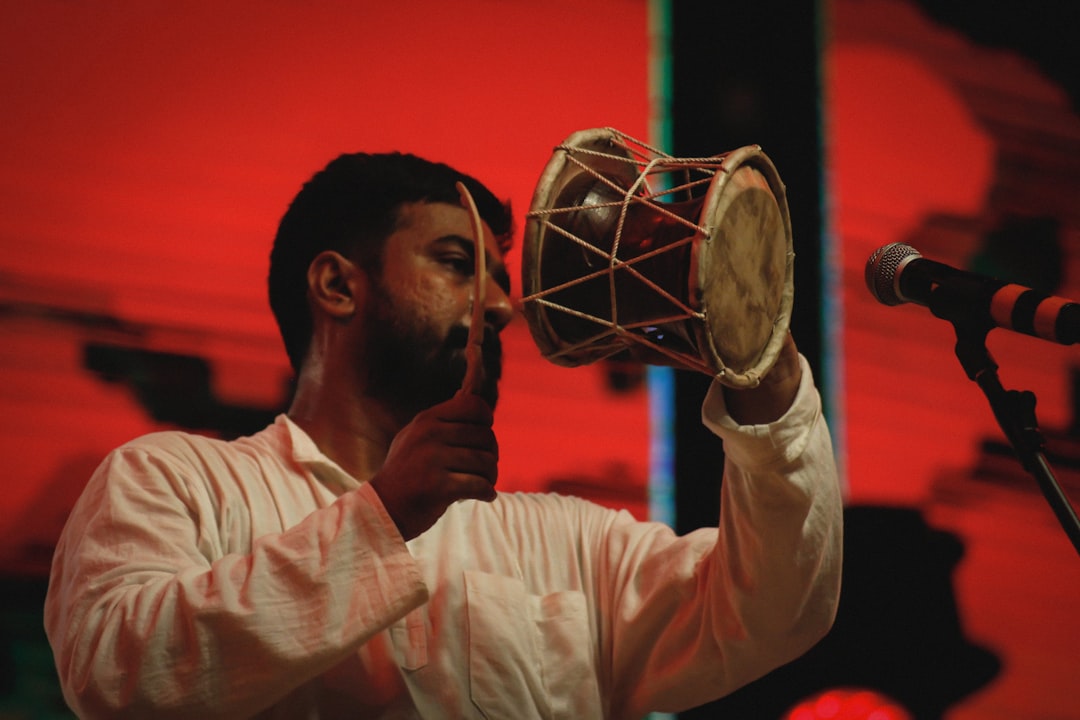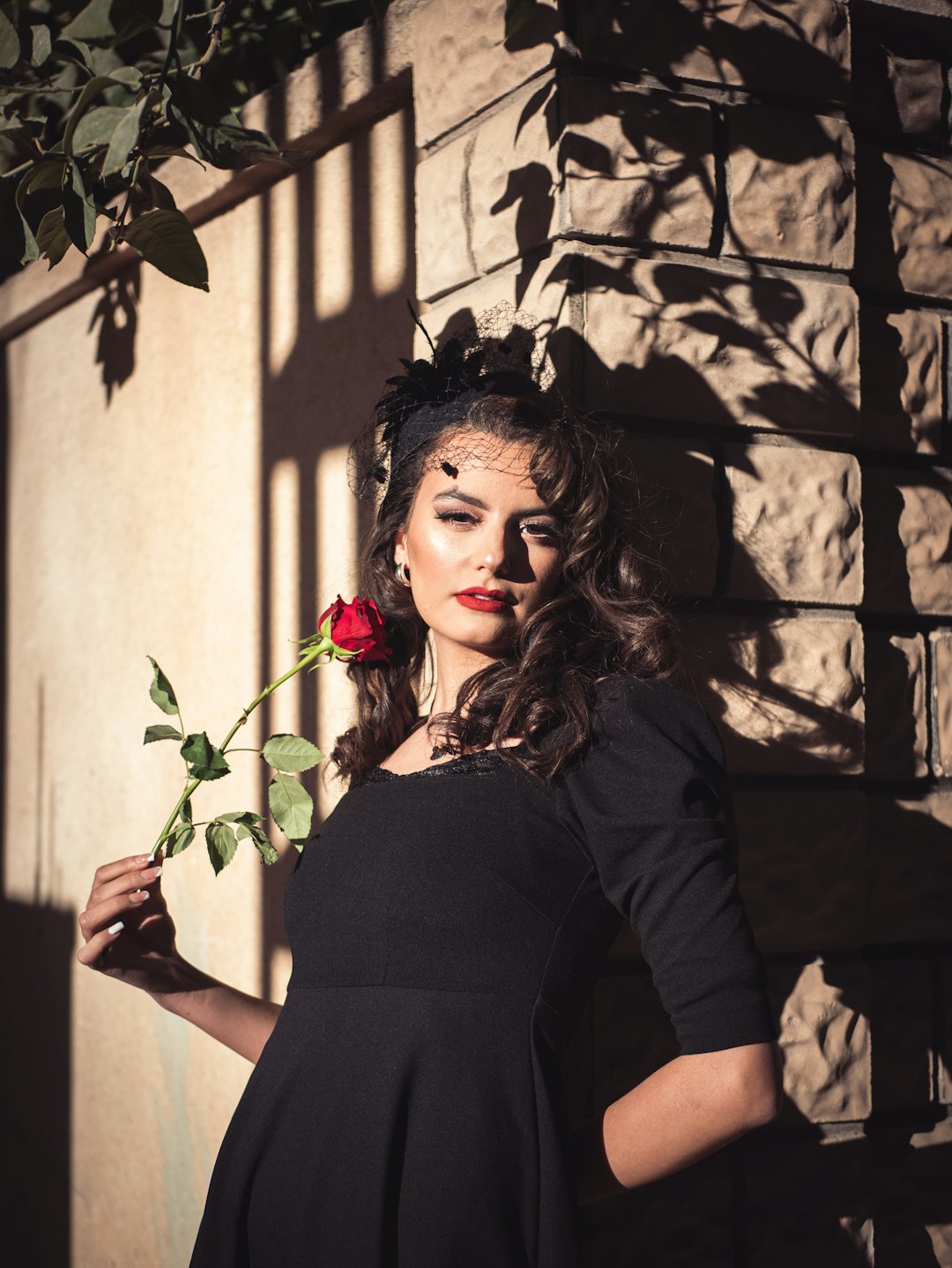
You've seen the hypnotic hip circles and flowing veils—perhaps at a restaurant, in a music video, or at a friend's wedding. Belly dance attracts newcomers with its promise of body acceptance, artistic expression, and a welcoming community. But between that first curious class and confident performance lies a journey of years, not weeks. This guide won't promise shortcuts to "pro" status—because none exist—but it will prepare you for realistic, rewarding progress rooted in respect for the dance's rich traditions.
What Is Belly Dance? Understanding the Basics
The term "belly dance" itself is a Western coinage, popularized at the 1893 Chicago World's Fair. Dancers and scholars increasingly prefer more accurate terminology: raqs sharqi (Eastern dance, primarily Egyptian), Oryantal (Turkish style), or simply Middle Eastern dance. These names acknowledge that the form encompasses far more than abdominal movement.
Regional Styles to Explore
| Style | Characteristics | Best For |
|---|---|---|
| Egyptian Raqs Sharqi | Grounded, internal, subtle hip work; emphasis on emotional expression | Dancers drawn to musical nuance |
| Turkish Oryantal | Athletic, external, larger movements; faster tempos | Those wanting high energy |
| Lebanese Cabaret | Elegance, floor work, veil integration | Versatile performance skills |
| American Tribal Style | Group improvisation, fusion aesthetics | Community-oriented dancers |
Historically, these dances functioned as social celebration at weddings, births, and gatherings—performance contexts developed later. Understanding this cultural foundation prevents the exoticization that has long plagued Western engagement with the form.
Getting Started: Building Your Foundation
Finding the Right Instructor
Not all teachers serve beginners equally well. Seek instructors with 5+ years of teaching experience who offer structured curricula rather than choreography-only classes. Ask about their training lineage—reputable teachers study with established masters and can name their influences. A quality beginner class emphasizes:
- Posture and alignment before movement
- Breakdown of muscular initiation (which muscles create which shapes)
- Connection to Middle Eastern music and rhythms
What to Wear
Your clothing choices directly affect learning:
- Hip scarves with coins or beads: These auditory and visual feedback tools help you hear and see hip movements clearly
- Avoid pure cotton (no stretch) and slippery synthetics
- Preferred option: Yoga pants or leggings with a fitted top that won't ride up during chest isolations
- Bare feet or dance shoes: Most dancers work barefoot; consider foot thongs for sensitive soles
Setting Up Your Practice Space
Home practice accelerates progress. Position a full-length mirror to your side (not front) to check alignment without craning your neck. Ideal flooring is sprung wood or marley; concrete or tile requires caution. Maintain neutral spine throughout—all belly dance emerges from proper posture, not forced positions.
Your First Movements
Begin with these foundational elements, typically mastered over 3–6 months of consistent study:
| Movement | Focus | Common Mistake |
|---|---|---|
| Hip drop | Weight transfer, knee flexion | Bouncing the head |
| Shimmy | Fast, small hip oscillations | Tensing the upper body |
| Snake arms | Sequential shoulder-elbow-wrist | Moving arms as one unit |
| Chest lifts/slides | Isolating ribcage | Arching the lower back |
Beyond the Basics: Intermediate Skills
Once fundamentals feel integrated (typically 12–18 months), explore these layered techniques:
Layering
True layering combines movements of different speeds and body regions—for example, maintaining a continuous 3/4 shimmy while executing slow, deliberate arm pathways. Success requires that each component movement be automatic; attempting too early creates tension and sloppy execution.
Precise Isolations
Advanced isolations demand microscopic muscular control: moving only the left hip while the right remains stable, or circling the ribcage while the pelvis stays fixed. These develop through targeted drills, not performance repetition.
Traveling and Turns
Moving through space while maintaining technique reveals gaps in your foundation. Practice step-touch patterns and pivot turns separately before combining them with hip work.
The Music: Your Invisible Partner
No belly dance education is complete without musical literacy. Essential rhythms include:
- Maqsoum (4/4, the "heartbeat" of Egyptian dance)
- Malfuf (fast 2/4, common for entrances)
- Chiftetelli (slow, sensual 8/4 for taqsim sections)
Listen actively. Count aloud. Eventually, your body will anticipate rhythmic changes without conscious thought