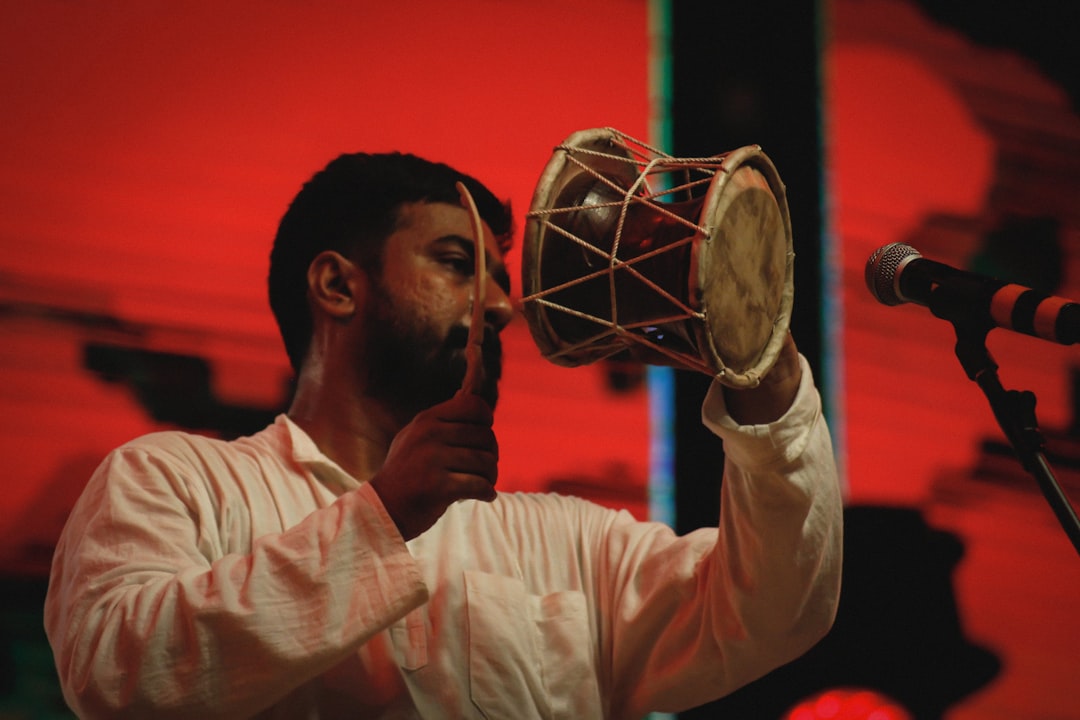
Your hips circle slowly, controlled yet fluid, as coins on your belt chime with each movement. For a moment, you forget the email you didn't send, the posture you were supposed to fix, the judgment you typically turn on yourself. This is belly dance—and your first class is closer than you think.
What Belly Dance Really Is (Beyond the Stereotypes)
Belly dance is a Middle Eastern dance form built on isolated, graceful movements of the hips, torso, and arms. While historically women have dominated professional performance, men have always participated—and modern studios welcome all genders, body types, and ages.
The form encompasses diverse regional styles, each with distinct histories and techniques: Egyptian raqs sharqi emphasizes emotional expression and intricate hip work; Turkish oryantal features faster rhythms and more athletic floor patterns; American Tribal Style blends influences into group improvisational formats. Understanding these distinctions matters—not just for your training, but for approaching the practice with respect.
Approach your learning with cultural awareness: Investigate the origins of the music you dance to, avoid "harem girl" costuming clichés, and credit your instructors' lineages when you perform. The best dancers honor the tradition even as they make it their own.
Why Belly Dance Delivers What Other Workouts Can't
Generic fitness promises fade fast. Here's what belly dance specifically offers—and how it differs from yoga, Pilates, or gym routines:
| Benefit | The Belly Dance Difference |
|---|---|
| Core strength | Isolations target the transverse abdominis—deep core muscles rarely activated by crunches—creating stability without bulk |
| Upper body endurance | Sustained arm patterns (shoulder shimmies, snake arms) build muscular endurance through repetition, not weight |
| Flexibility gains | Undulations and torso rotations improve spinal mobility in planes that forward folds and twists miss |
| Mental state | The meditative focus required for precise isolations quiets analytical brain activity; many dancers report entering flow state within 15 minutes |
| Body relationship | Unlike fitness cultures focused on transformation, belly dance rewards you for how your body moves, not how it looks |
Research from the Journal of Applied Gerontology (2018) found that women participating in belly dance showed significant improvements in balance, gait, and psychological well-being compared to sedentary controls—gains that persisted at six-month follow-up.
Before Your First Class: What to Actually Do
Find an Instructor Worth Your Time
Not every teacher suits every student. Use this framework to evaluate prospects:
Questions to ask:
- "What style do you teach, and why did you choose it?"
- "Do you perform professionally, or is this strictly a fitness practice for you?"
- "How do you modify movements for injuries or limitations?"
- "What should I expect in a typical beginner class?"
Red flags that signal poor fit:
- No structured warm-up or cool-down
- Pressure to perform or attend haflas (dance parties) before you're ready
- Cultural appropriation without education (generic "exotic" music, no historical context)
- Body-shaming language or mandatory costuming requirements
Dress for Movement, Not Performance
You don't need a professional costume. For your first few classes, bring:
- A coin belt or hip scarf (most studios lend these, or buy a basic one for $15–25)
- Form-fitting top and bottom—your instructor needs to see your hip and torso alignment
- Bare feet or soft dance shoes, depending on studio flooring
- Water bottle and small towel; isolations generate surprising heat
Set Realistic Expectations
Your first class will likely cover: basic posture (knees soft, pelvis neutral, lifted chest), hip circles and slides, a simple shimmy, and perhaps a short choreography. You will feel uncoordinated. Your hips will refuse to move independently of your shoulders. This is universal, temporary, and completely unrelated to your potential.
The First Month: Building Sustainable Practice
| Week | Focus | Success Metric |
|---|---|---|
| 1–2 | Attend consistently; memorize basic posture and three core movements | Complete one full class without sitting out |
| 3–4 | Practice 10 minutes daily between classes; add one new isolation | Execute a basic hip circle while maintaining relaxed shoulders |
Patience is mechanical, not mystical. Belly dance requires neuromuscular retraining—your brain must build new pathways to control muscles you haven't consciously accessed. This takes repetition, not talent. Dancers who progress fastest aren't the most naturally graceful; they're the most consistently present.
Your Next Step (Taken This Week)
Your first shimmy doesn't require rhythm, flat abs, or