The first time Maya watched a belly dancer, she was struck not by the sequins or the exposed midriff, but by the dancer's complete command of her own body—every muscle engaged, every movement intentional. Fifteen years later, Maya still remembers that moment as the start of her own transformation.
You don't need prior dance experience, a particular body type, or even visible abs to begin belly dance. What you need is curiosity and willingness to feel slightly ridiculous for your first few hip circles. This guide will walk you through everything that actually matters when starting out—minus the myths and marketing fluff.
What Belly Dance Actually Is (And Isn't)
Despite its English name—coined by 19th-century Western promoters who exoticized Middle Eastern entertainment—the dance is known as Raqs Sharqi (Eastern Dance) in Arabic-speaking countries and Oryantal in Turkey. These names better reflect its true nature: a sophisticated performance art with distinct regional vocabularies, from the subtle internal isolations of Egyptian style to the energetic floor work and finger cymbals of Turkish dance.
The form spans North Africa, the Levant, Turkey, and beyond, with each region developing unique characteristics:
| Style | Key Features | Best For |
|---|---|---|
| Egyptian Raqs Sharqi | Refined hip work, emotional expression, intricate musical interpretation | Dancers drawn to elegance and storytelling |
| Turkish Oryantal | Faster tempos, athletic floor work, playful audience interaction | High-energy performers |
| American Tribal Style (ATS) | Group improvisation, fusion aesthetics, strong community culture | Collaborative dancers wanting structured improvisation |
| Tribal Fusion | Darker aesthetics, cross-training with other dance forms | Experimental dancers with eclectic tastes |
While historically associated with female performers, male belly dancers have deep roots in Middle Eastern entertainment, from the köçek dancers of Ottoman Turkey to contemporary artists like Egyptian star Tito Seif. Modern classes welcome all genders.
Why Belly Dance? Benefits Beyond the Obvious
Most fitness articles recycle the same vague promises. Here's what actually happens when you commit to regular practice:
Functional strength, not gym isolation. Unlike workouts that target single muscles, belly dance requires coordinated engagement of deep core stabilizers, obliques, transverse abdominis, and gluteal muscles. The result: functional strength that improves posture, reduces chronic back pain, and builds body awareness that transfers to daily movement.
Neurological rewiring. The dance demands isolating specific muscle groups while keeping others completely still—a motor control challenge that builds new neural pathways. Beginners often describe this as "patting your head and rubbing your stomach, but with your entire torso."
Moving meditation. The repetitive quality of shimmies combined with the mental focus required for isolation work creates a flow state similar to mindfulness practice. Studies on dance and stress reduction consistently show lowered cortisol levels, but practitioners report something harder to measure: the mental quiet that comes when your brain is fully occupied with coordinating a three-quarter shimmy.
An unusually inclusive community. Unlike dance forms dominated by young, thin, formally trained bodies, belly dance welcomes beginners at any age, size, or fitness level. The culture emphasizes supporting fellow dancers over competition—a rarity in movement communities.
Your First Steps: A Practical Roadmap
Find Your Learning Format
In-person classes offer real-time feedback and community connection. Search specifically for "Egyptian-style," "Turkish," or "ATS/ITS" depending on your interests. Expect to pay $15–25 per drop-in class or $100–200 for multi-week sessions. Ask prospective instructors: "Do you teach choreography or improvisation?" and "What music do you primarily use?" Their answers reveal their stylistic focus.
Quality online options work well if local classes are limited. Datura Online offers structured curricula with technique breakdowns, while Sahira Dance provides feedback options for remote students. Avoid learning solely from random YouTube clips without foundational instruction—poor technique ingrained early becomes difficult to unlearn.
Dress for Movement (Not Performance)
You don't need a coin belt or sequined bra on day one. You do need:
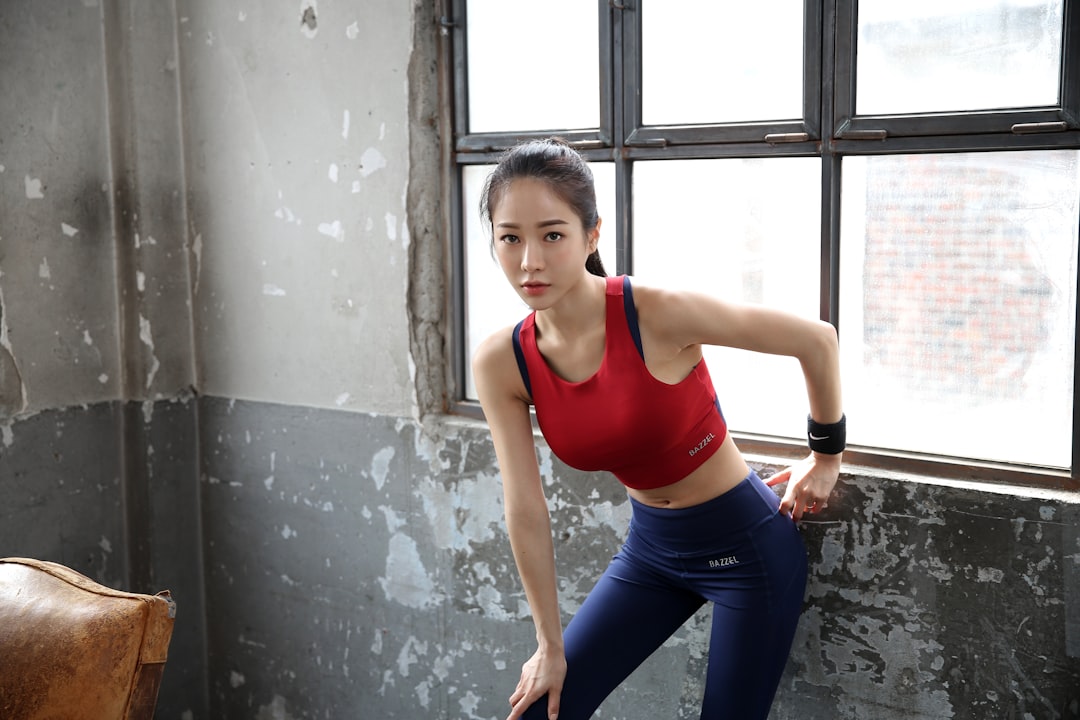
- Bottoms: Yoga pants, leggings, or fitted shorts that won't slide down during hip work. Avoid loose skirts that obscure your movement.
- Top: Form-fitting tank or t-shirt that allows you to see your ribcage and abdominal engagement.
- Footwear: Barefoot or dance socks with grips. Some dancers prefer ballet slippers for floor work; avoid running shoes that restrict ankle mobility.
- Optional but helpful: A simple hip scarf with coins or fringe provides auditory feedback for hip movements










