Rooted in Middle Eastern and North African traditions, belly dance—known as raqs sharqi in Arabic—combines fluid isolations, rhythmic footwork, and emotional expression. For beginners, the learning curve can feel steep: you're training muscles you didn't know you had to move in ways that defy everyday motion. These six fundamentals will help you build technique without frustration.
1. Find a Qualified Instructor
Not all belly dance teachers are created equal. A qualified instructor provides more than choreography—they offer anatomical breakdowns, cultural context, and injury prevention.
What to look for:
- Lineage or certification: Training with recognized masters matters. Look for credentials from established programs (Suhaila Salimpour School, Jamila Salimpour Format, Mahmoud Reda lineage, or FatChanceBellyDance for American Tribal Style).
- Teaching methodology: Observe a class before committing. Does the instructor explain which muscles create each movement, or merely demonstrate and expect imitation?
- Cultural knowledge: They should discuss regional styles—Egyptian (classical or modern), Turkish (oriental or Romani), Lebanese, or American innovations—and their historical significance.
Red flags: Instructors who emphasize "sexiness" over technique, teach without mentioning music or rhythm, or cannot explain where movements originate culturally.
2. Master Isolations Before Combinations
Belly dance builds from microscopic control. Rushing into choreography before understanding individual movements creates sloppy habits that take years to unlearn.
Your first three priorities:
| Movement | What It Trains | Common Beginner Mistake |
|---|---|---|
| Hip circles | Core stability and pelvic mobility | Moving the upper body instead of isolating the hips |
| Figure eights | Independent hip control and weight shifts | Flattening the movement into a oval rather than a three-dimensional infinity loop |
| Shimmies | Fast-twitch muscle endurance and relaxation | Tensing the entire leg rather than letting the knees drive the vibration |
Practice each isolation slowly with a mirror. Speed comes only after accuracy.
3. Build a Sustainable Practice Habit
Progress requires consistency, not marathon sessions. Aim for 20–30 minutes, four to five times weekly rather than occasional two-hour cramming.
Structure your practice:
- Warm-up (5 minutes): Gentle neck rolls, shoulder isolations, and hip circles to increase blood flow
- Technique drilling (15 minutes): Focus on one isolation or movement family, alternating sides evenly
- Cool-down (5 minutes): Gentle stretching, particularly hip flexors and lower back
Use your phone to record 30-second clips. Video reveals alignment issues mirrors miss—like unconsciously lifting your shoulder during hip work.
4. Dress for Visibility, Not Performance
Fitted tops and hip scarves help you see your movements in the mirror—crucial for learning isolations. Avoid baggy t-shirts that hide torso position.
Beginner wardrobe:
- Bottoms: Yoga pants or leggings that stay put during hip lifts
- Tops: Snug tank or fitted t-shirt in a light color for mirror visibility
- Hip scarf: A coin hip scarf (inexpensive online) adds satisfying auditory feedback to hip work and helps you hear rhythm accuracy
- Footwear: Dance barefoot or in ballet slippers to feel floor connection and prevent slipping. Avoid socks on smooth floors.
5. Protect Your Body
Belly dance's isolated movements can strain untrained bodies. Prevent injury with conscious alignment:
- Keep knees soft (never locked) during hip work to protect joints
- Engage your core during torso movements to support your lower back
- Maintain neutral pelvis—avoid tucking under or arching excessively
- Breathe continuously—holding breath creates tension that restricts movement
Stop immediately if you feel pinching in your hips or sharp lower back pain. Check your posture: forcing flexibility causes injury, while proper technique develops range naturally over time.
6. Connect to the Music
Belly dance without musical understanding is exercise without soul. Middle Eastern music operates on different rhythmic structures than Western pop.
Beginner listening:
- Maqsoum rhythm (4/4 time, dominant in Egyptian dance): Listen for the "dum-tak-tak-dum-tak" pattern
- Chiftetelli (slow, sensual 8/4): Common for taqsim (improvised) sections
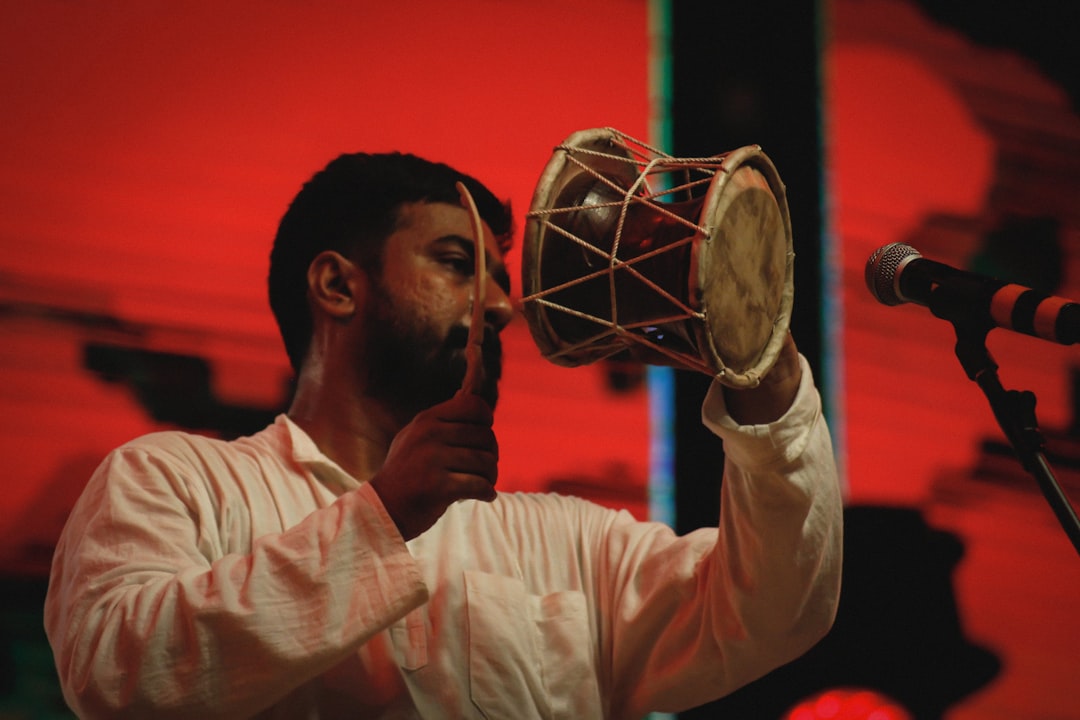
- Instruments to recognize: Accordion, qanun, ney, and tabla (darbuka)
Start with classic Egyptian orchestral pieces by Mohammed Abdel Wahab or modern interpretations by Amir Sofi. Clap or walk the rhythms before attempting to dance them.