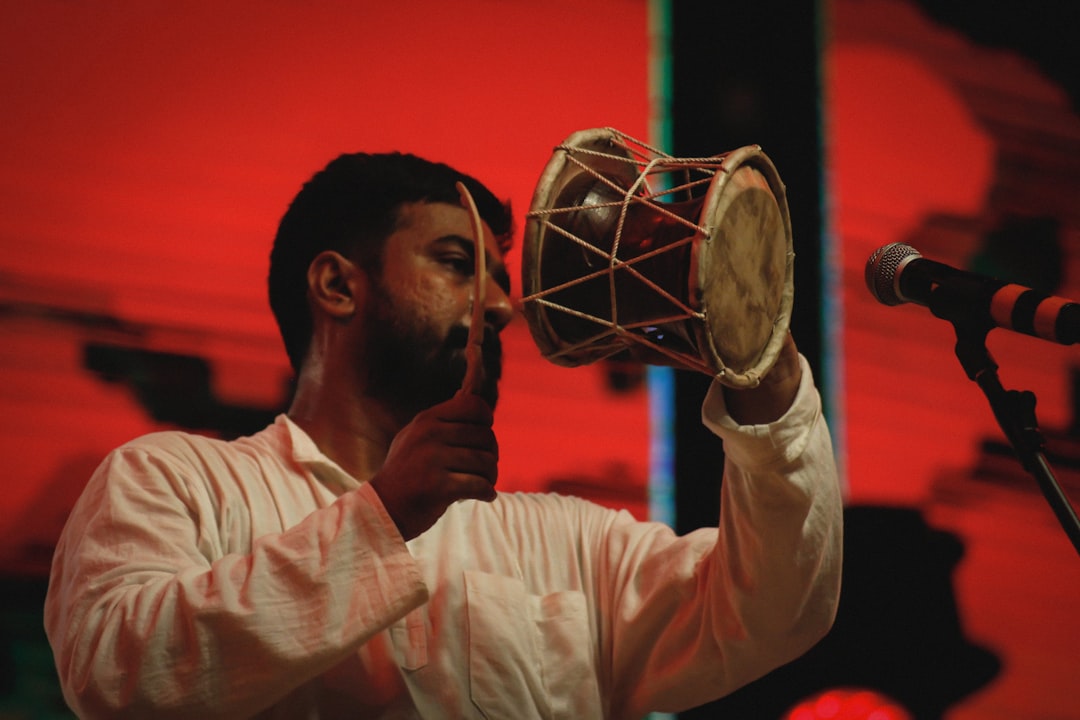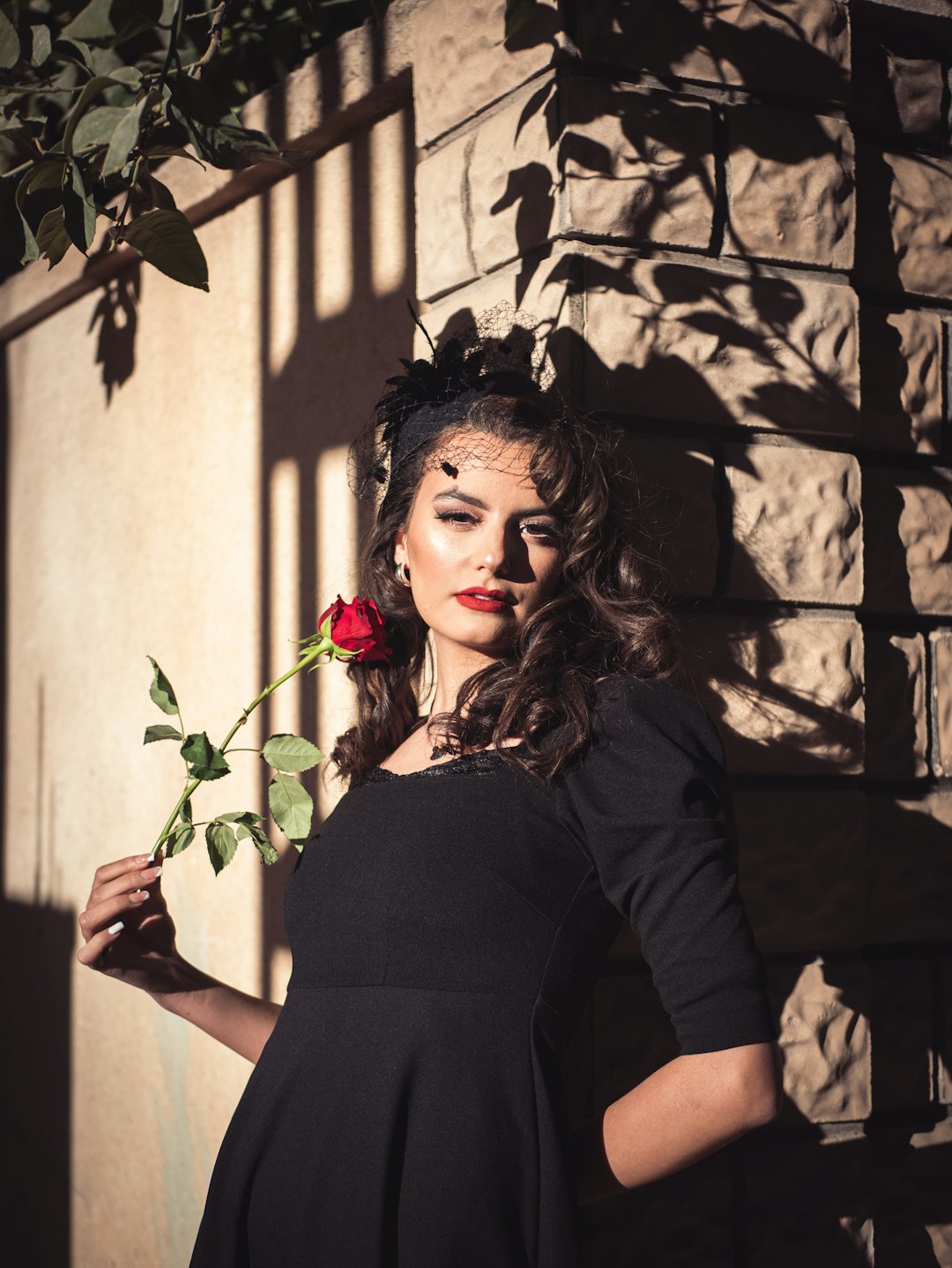
After six months of abandoned gym memberships, I found my fitness solution in an unexpected place: a dimly lit studio with the sound of finger cymbals and a group of people who were sweating, smiling, and somehow having fun. That first belly dance class didn't feel like exercise. It felt like play.
Belly dance—also known as Middle Eastern dance or raqs sharqi—has been practiced for centuries across North Africa, the Middle East, and the Mediterranean. Today, it's recognized by the American Council on Exercise as a legitimate low-impact workout that delivers measurable fitness results. Unlike repetitive gym routines, belly dance builds functional fitness through continuous, rhythmic movement that engages your entire body while feeling engaging enough that practitioners often forget they're exercising.
Whether you're recovering from injury, bored with your current routine, or simply looking for a joyful way to move, this guide will show you exactly how to start—and what to expect.
Science-Backed Benefits of Belly Dance
Core Strength and Posture
Belly dance doesn't just work your "abs." It systematically engages your rectus abdominis, obliques, transverse abdominis, and pelvic floor—deep stabilizing muscles often neglected by crunches and planks. The constant micro-adjustments required to isolate your hips while keeping your upper body still create functional core strength that translates directly to better posture in daily life.
A typical hour-long session burns 200–400 calories, comparable to brisk walking or light swimming, but with the added benefit of muscle endurance training.
Flexibility and Joint Health
The dance's signature movements—hip circles, figure-eights, and waves—improve hip mobility and spinal articulation in ways that benefit everyday movement patterns. Unlike static stretching, belly dance builds dynamic flexibility: your joints learn to move through their full range while bearing weight and maintaining balance.
This makes it particularly valuable for people with sedentary jobs or those seeking alternatives to high-impact exercise that stresses knees and ankles.
Mental Health and Stress Relief
There's a meditative quality to isolating body parts with precision. The concentration required to coordinate hip drops with shoulder shimmies creates a flow state similar to mindful movement practices like tai chi or yoga. Research on dance-based exercise consistently shows reduced cortisol levels and improved mood regulation.
The music itself matters, too. Many practitioners report that the complex rhythms of Middle Eastern percussion naturally redirect attention away from anxious thoughts.
Body Image and Confidence
Belly dance encourages body appreciation regardless of age, size, or gender—focusing on what your body can do rather than how it looks. Unlike fitness cultures centered on aesthetic transformation, this practice celebrates movement capability. You'll learn to control muscles you never knew you had, which builds a different, more durable kind of confidence than appearance-based goals.
What You Actually Need to Start
Equipment and Space
| Item | Purpose | Cost |
|---|---|---|
| Hip scarf (with or without coins) | Visual feedback for hip movements; adds satisfying sound | $10–$30 |
| Form-fitting top and pants | Allows instructor to see and correct your alignment | $0 (use what you have) |
| Bare feet, socks, or dance shoes | Depends on floor surface; most beginners start barefoot | $0–$40 |
| 6×6 foot clear space | Minimum for arm movements and turns | — |
You don't need a mirror at home, though studio classes typically provide them. You don't need prior dance experience. You don't even need coordination—that develops.
Budget Options
- Free: YouTube channels like Leila of Arabia, Belly Dance with Sadie, and Datura Online's free library offer structured beginner content
- Mid-range: Local studio drop-in classes typically run $15–$25 per session; many offer discounted intro packages
- Investment: Private instruction ranges $50–$100/hour and accelerates technique correction
Your First 30 Days: A Realistic Timeline
| Week | Focus | What to Expect |
|---|---|---|
| 1–2 | Basic isolations: hip slides, lifts, drops; shoulder rolls; simple foot patterns | Soreness in unexpected places (obliques, upper back); confusion about which muscle creates which movement |
| 3–4 | Connecting movements; introducing shimmies (rapid, vibrating hip movements) | Improved posture awareness; first "aha" moments when isolations click |
| 5–8 | Layering (doing multiple movements simultaneously); simple choreography | Noticeable core engagement during daily activities; increased endurance |
| 9–12 | Refinement; performance skills (optional); exploring different styles (Egyptian, Turkish, American Tribal) | Visible muscle definition for most regular practitioners; established habit |
**Most beginners notice improved posture within 2–3 weeks