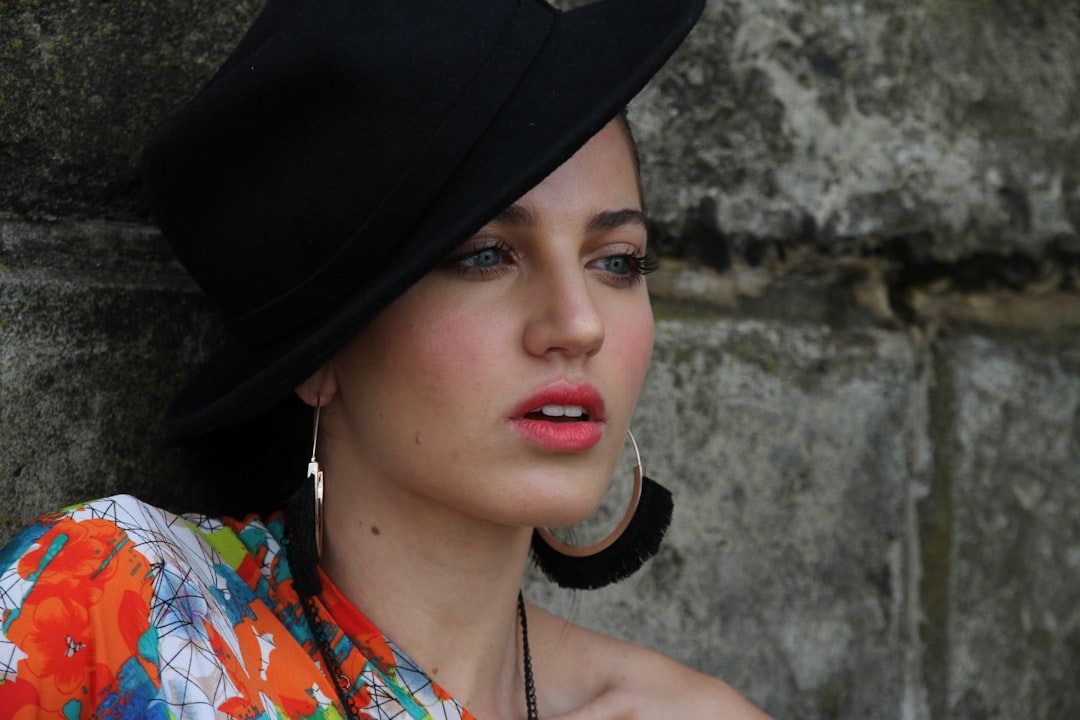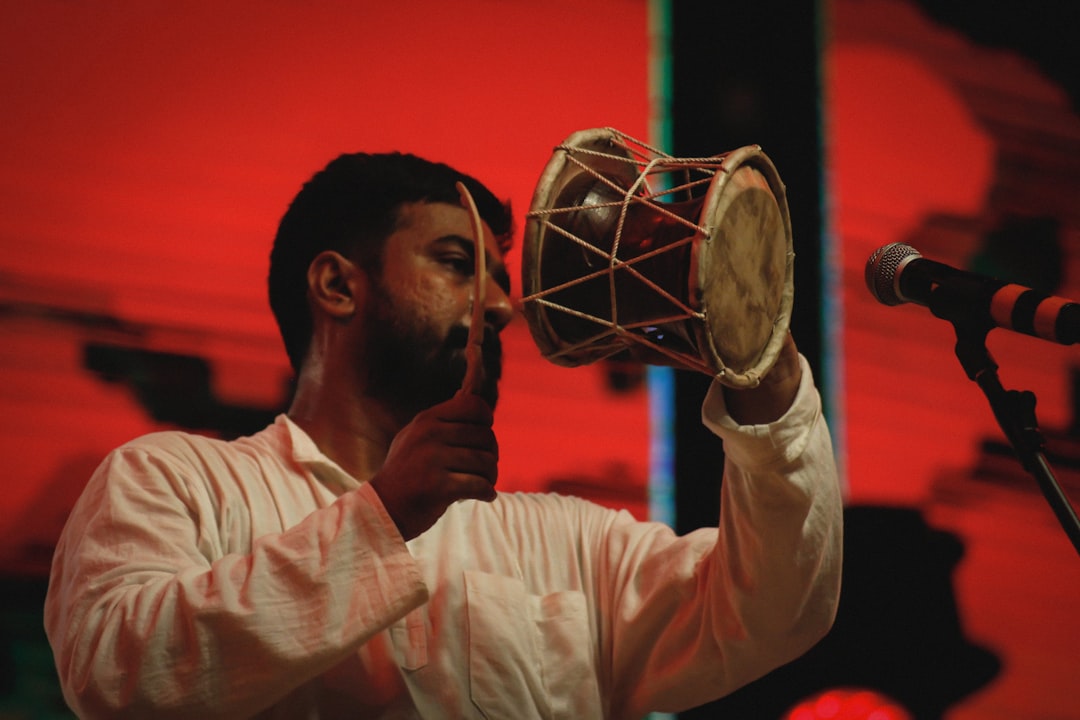
At 8 p.m. on a Thursday, the mirrors at Nile Movement Studio on Crescent Avenue reflect twenty women in sneakers and jeweled hip scarves, drilling ribcage isolations to a remixed house track. Chest pops alternate with undulations. A drummer's rhythm from Upper Egypt collides with a four-on-the-floor electronic beat. This is fusion belly dance in Parkway City—and it is not what most audiences expect.
"You come in thinking it's going to be all finger cymbals and flowing chiffon," says Amara Okonkwo, 34, a software developer who has taken classes at Nile Movement for eight months. "Then you're doing footwork that looks like it belongs in a hip-hop cypher. My body had to unlearn everything."
From the Cabaret Stage to the Studio Floor
Belly dance, or raqs sharqi, emerged in Egypt in the late 19th century and spread through Middle Eastern nightlife and cinema, evolving through Turkish, Lebanese, and North African influences. Fusion belly dance, which began gaining traction in the United States in the early 2000s, deliberately breaks from traditional formats, blending those isolations and shimmies with other movement vocabularies. In Parkway City, the trend has accelerated over the past three years, driven by younger dancers seeking formats that reflect their own eclectic training.
The distinction matters. When local instructors and performers here refer to "fusion," they generally mean contemporary commercial styles—hip-hop, house, and lyrical jazz—rather than concert modern dance in the Graham or Cunningham tradition. The result is athletic, theatrical, and deliberately cross-cultural.
The Parkway City Scene: Names, Spaces, and Schedules
Nile Movement Studio, opened in 2019 by former Toronto dancer Layla Haddad, now runs four fusion classes weekly. "Neo-Shimmy," held Thursdays, pairs Egyptian hip technique with house footwork. "Urban Odissi," on Tuesdays, layers Indian classical torso articulations over hip-hop grooves. A single drop-in class costs $22; a ten-class pass runs $180.
Haddad, 41, estimates her fusion enrollment has doubled since 2021. "Students were already cross-training in hip-hop and aerial," she says. "They didn't want to compartmentalize anymore. The body doesn't have borders. Why should the class schedule?"
The trend extends beyond classes. On March 15, the Parkway City Arts Collective sold out its 220-seat black box theater for "Skin + Rhythm," a showcase featuring five local choreographers. Haddad's piece, "Signal/Noise," set traditional saidi cane technique against a score of distorted electronic noise. Reviewer Marcus Chen, writing for Parkway Arts Weekly, noted the "jarring but deliberate collision of folkloric posture and industrial movement quality."
Crowd size is one metric. Diversity of audience is another. Haddad says her student base now includes roughly equal numbers of dancers with prior belly dance training and those coming from hip-hop, ballet, or no background at all.
What Fusion Demands of Dancers
The physical challenge is considerable. Fusion requires precise isolation of the hips, chest, and shoulders—hallmarks of belly dance technique—executed while maintaining the grounded, rhythmic footwork of house or the ballistic attack of hip-hop. Transitions between styles must read as intentional, not accidental.
"It's two completely different centers of gravity," says choreographer Darius Cole, 29, who trained in both Chicago footwork and Egyptian-style belly dance before relocating to Parkway City in 2022. "In raqs sharqi, you're lifted through the chest, floating above the hips. In house, you're dropping into the floor, using your weight. To switch between them in the same eight-count without looking like you're falling apart—that took me three years."
Cole's latest work, "Borrowed Tongues," premieres June 8 at the Crescent Street Performance Loft. Tickets are $28 general admission, $18 for students. The piece incorporates four dancers and a live DJ, blending Algerian raï rhythms with Chicago juke.
Audience Perspectives: Attraction and Friction
Not all observers embrace the hybrid. At a February panel hosted by the Parkway City Dance Archive, longtime belly dance practitioner Evelyn Sato raised questions about attribution. "When you strip the music, the costuming, and the social context, what's left?" she asked. "Are we respecting the form, or are we extracting what looks cool on Instagram?"
The conversation was tense but remained civil. Haddad, who attended, says she welcomes the scrutiny. "Fusion has to be accountable. I name my teachers on my website. I talk about where these movements come from in every class. If we don't do that work, it is extraction."
Audience member Roberto Vela, 45, who attended "Skin + Rhythm" with