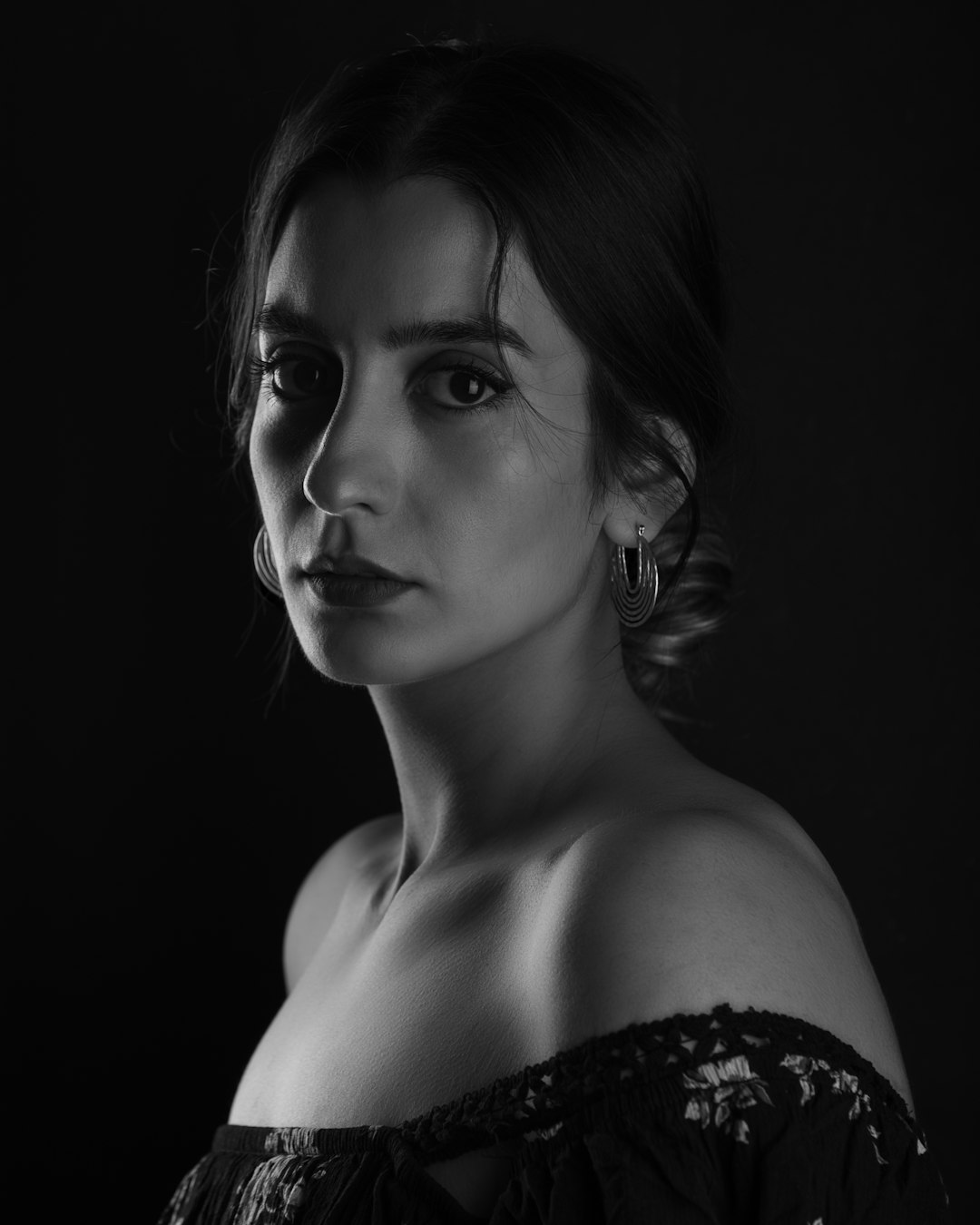
I first spotted Nadia performing at a Minneapolis warehouse party two summers ago. She was layering raqs sharki over a Doja Cat track, bells chiming against hip-hop isolations, and half the crowd didn't even realize they were watching belly dance. That's the thing about this form right now—it's mutating in front of us, borrowing from everywhere, and honestly? it's better for it.
The Algorithm Ate Your Dance Studio
Social media didn't just change how belly dancers share their work. It shattered the gatekeeping entirely. A 19-year-old in Cleveland can post a tribal fusion combo and get the same reach as a veteran instructor in Cairo. Platforms like TikTok have become these weird, wonderful laboratories where anyone with WiFi and willingness can experiment.
What's wild is watching the regional styles bleed together. Dancers who'd never touch a "proper" Egyptian classic are now posting alongside traditionalists who've studied in Cairo for decades. Nobody's asking permission. Nobody's waiting for a committee to approve the moves. It's messy and it's alive.
Maria, who's taught belly dance in the Bay Area for fifteen years, told me she almost quit during the pandemic. "Then I watched this teenager in Seoul teach herself from YouTube videos and absolutely kill it. That's when I realized—the form doesn't belong to anyone. It never did."
VR Dance Halls Are Weirdly Magical
I tried a VR belly dance session last month and walked away genuinely impressed. You're wearing a headset, your avatar's in some neon-lit digital space, and there's a dancer from São Paulo guiding you through hip circles while someone from Berlin watches and comments in real-time.
It's not the same as being in a room with another body, feeling the floor vibrate through your feet. But for people who live hours from any studio, for dancers with mobility issues, for caregivers who can't leave the house? This matters. A student of mine in rural Montana has chronic fatigue and hasn't made it to an in-person class in three years. She tears up every time she logs into our VR sessions. "I feel like I can still dance," she said last week. "I thought that part of me was gone."
Is VR going to replace the real thing? Absolutely not. But it just opened doors that were locked for a lot of people.
Fusion Isn't a Dirty Word Anymore
Traditionalists, breathe. I'm not saying you have to like everything. But the fusion stuff happening right now is legitimately exciting, and dismissing it as "not real belly dance" misses the point of how art works.
Samara, who performs under the name GypsyRose, blends belly dance with contemporary and aerial work. Her performances make me uncomfortable in the best way—I'm not sure what I'm watching, and I can't look away. She's been criticized by purists who say she's "not respecting the culture." Her response: "My grandmother was Egyptian. She's the one who told me to make it my own."
That's the conversation nobody wants to have. This form has always traveled. It moved through North Africa, the Middle East, the Mediterranean, into Hollywood, back out again. It picked up influences everywhere it went. The "pure" form you're nostalgic for? It was already a fusion.
The Gear Is Getting Better
Here's where I get genuinely excited. Adaptive dancewear exists now, and it's not just functional—it's actually stylish. Costumes with magnetic snaps instead of hooks for dancers with arthritis. High-waisted belts with compression support for post-partum bodies. Wearable tech that gives you haptic feedback when your hip circle needs work. Smart fabrics that track your movement and feed data to your phone.
I watched a dancer named Jay perform at a showcase last fall. Jay uses a wheelchair and moves with this incredible controlled power. Her costume had sensors in the hip belt, and during her solo, the audience could see her muscle engagement visualized in real-time on a screen beside the stage. People were riveted. Nobody was performing for her—they were watching her artistry.
The Money Conversation Nobody Likes
Here's my unpopular opinion: belly dance gets walked over in the arts funding conversation because of its reputation as "exotic" entertainment. Strip clubs are not the same as art studios. But they share cultural DNA, and that confusion has cost the form respectability and resources.
Ethical practices are finally getting real attention. The Fair Dance Festival in Chicago this past summer included belly dancers in their programming for the first time. Venues are being pushed to pay live musicians instead of backing tracks. Dancers are negotiating contracts instead of accepting "exposure."
It's slow. It's not fast enough. But it's happening.
What I'm Watching For
Three things are making me optimistic about where this form is headed.
First, the young dancers who grew up on social media have zero interest in gatekeeping. They're collaborative, weird, and unafraid to fail publicly. That's healthy.
Second, sustainability is becoming a real consideration. Costume designers are sourcing ethical fabrics. Performance companies are tracking their carbon footprint. It's not everywhere, but it's starting to matter.
Third, the disability inclusion work is actually working. Not perfectly. Not everywhere. But a dancer who uses a wheelchair showing up at a mainstream studio is no longer treated as a curiosity. She's treated as a dancer who uses a wheelchair.
The Real Talk
belly dance has always been political. It was performed for harems and sultans, colonizers and tourists. It survived because dancers adapted. They took what they needed, left what they didn't, and kept moving.
That's still true. The form in 2024 is whoever's dancing it right now—and that's exactly how it should be.
If you're thinking about trying it: find a class, wear something you can move in, expect to feel ridiculous for about the first month, and then one day your hip circle will click and you'll understand what everyone's talking about. It happened to me. It'll happen to you.