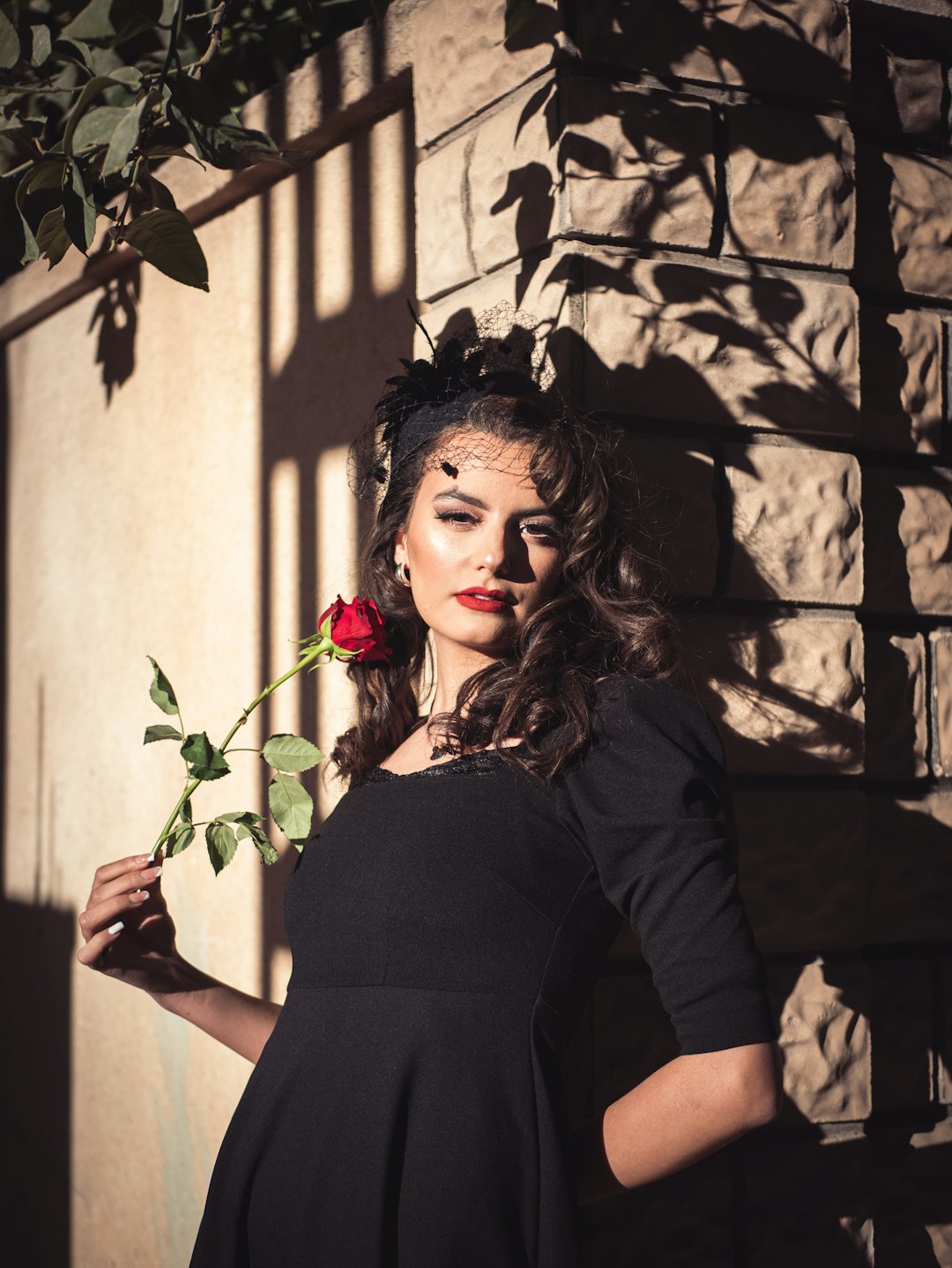
Antioch City's belly dance scene doesn't announce itself with billboards or tourist buses. It builds quietly—inside repurposed warehouses, brewery backrooms, and the occasional backyard in the Arts District. In 2024, that scene has matured into one of the most active and accessible in the region, with a training ecosystem, an annual festival that draws international instructors, and a community that welcomes newcomers without pretension.
Why Antioch City?
The city's connection to belly dance traces back to the late 1980s, when a wave of Middle Eastern migration—particularly from Lebanon and Egypt—established family-owned restaurants along the Riverfront District. Dancers were hired for weekend performances, and over time, those restaurants became informal training grounds for local performers. By the early 2000s, formal studios opened. Today, Antioch City supports an estimated twelve active belly dance businesses, from full-time academies to independent instructors renting space in community centers.
Where to Learn: Studios Worth Your Time
Nisrin Dance Academy (Riverfront District) Founded in 2003 by Egyptian-American choreographer Nisrin El-Masry, this is the city's longest-running studio. El-Masry trained at the Cairo Opera House before relocating to Antioch City, and her academy remains the go-to for classical Egyptian raqs sharqi. Drop-in beginner classes run Tuesday and Thursday evenings at $20; multi-class packages are available.
Troupe Kinetic (Arts District) If your interest leans toward experimental or fusion styles, this collective operates out of a converted textile warehouse on Mercer Street. Co-directors Anaïs Duval (France) and Samira Okonkwo (Nigeria/UK) blend belly dance with contemporary and West African forms. They offer an open-level "Fusion Fundamentals" class on Monday nights and regularly host guest instructors from Los Angeles and London.
The Halcyon Room (Northside) A smaller operation focused on Turkish Romani and American Tribal Style (ATS). Instructor Leyla Demir, a former resident dancer at Istanbul's Sultana's Dinner Theater, teaches in a mirrored studio above a Turkish bakery. The smell of baking simit downstairs has become part of the studio's reputation.
Where to Watch: Venues and Regular Events
The Crimson Lamp (Riverfront District) A restaurant and performance space that has hosted belly dance every Friday and Saturday since 1994. The room seats eighty, and the front row is inches from the performance area. Reservations are recommended two weeks out.
Ironworks Brewery (Arts District) On the last Thursday of each month, Troupe Kinetic produces Taps and Veils, a pay-what-you-can showcase that pairs local dancers with the brewery's rotating tap list. The audience is younger and less formally dressed than at traditional restaurant shows; it's a reliable entry point for the curious.
The Monthly Hafla at Community Space 4B (Northside) A hafla—an informal gathering of dancers performing for each other—happens on the first Saturday of each month. There is no stage, no ticket price (a $5 donation is suggested), and no separation between audience and performer. Regulars arrive by 7 p.m. to claim floor cushions; by 7:30, the room is usually full.
The Antioch Belly Dance Festival
The city's signature event takes place each October. In 2023, the festival drew approximately 400 attendees from fifteen countries, with headliners including Sadie Marquardt (USA, known for her percussive isolation technique) and Ozgen Ozgeç (UK/Turkey, a specialist in Turkish Romani).
The festival spans five days and includes:
- Performance nights at the historic Orpheum Theater (capacity 600)
- Competitions in categories from classical to fusion
- Masterclasses limited to twenty students each
- A vendor hall featuring costume makers, musicians, and instrument sellers from Egypt, Turkey, and Morocco
2024 dates are October 16–20. Early-bird passes go on sale in June through the festival's website.
Community Beyond the Stage
Antioch City's belly dance community operates with unusual transparency. The Antioch Dance Collective, a volunteer-run organization, maintains the most reliable performance calendar in the city—updated weekly on Instagram and distributed via a low-traffic email list. They also moderate a Facebook group of roughly 1,200 members where newcomers can ask questions without hostility.
Several dancers run free monthly discussion circles at the public library's main branch, covering topics from the history of ghawazi dancers in Egypt to debates over cultural appropriation in fusion styles. These meetings are open to the public and require no dance background.
Practical Tips for Getting Started
- **Try a drop