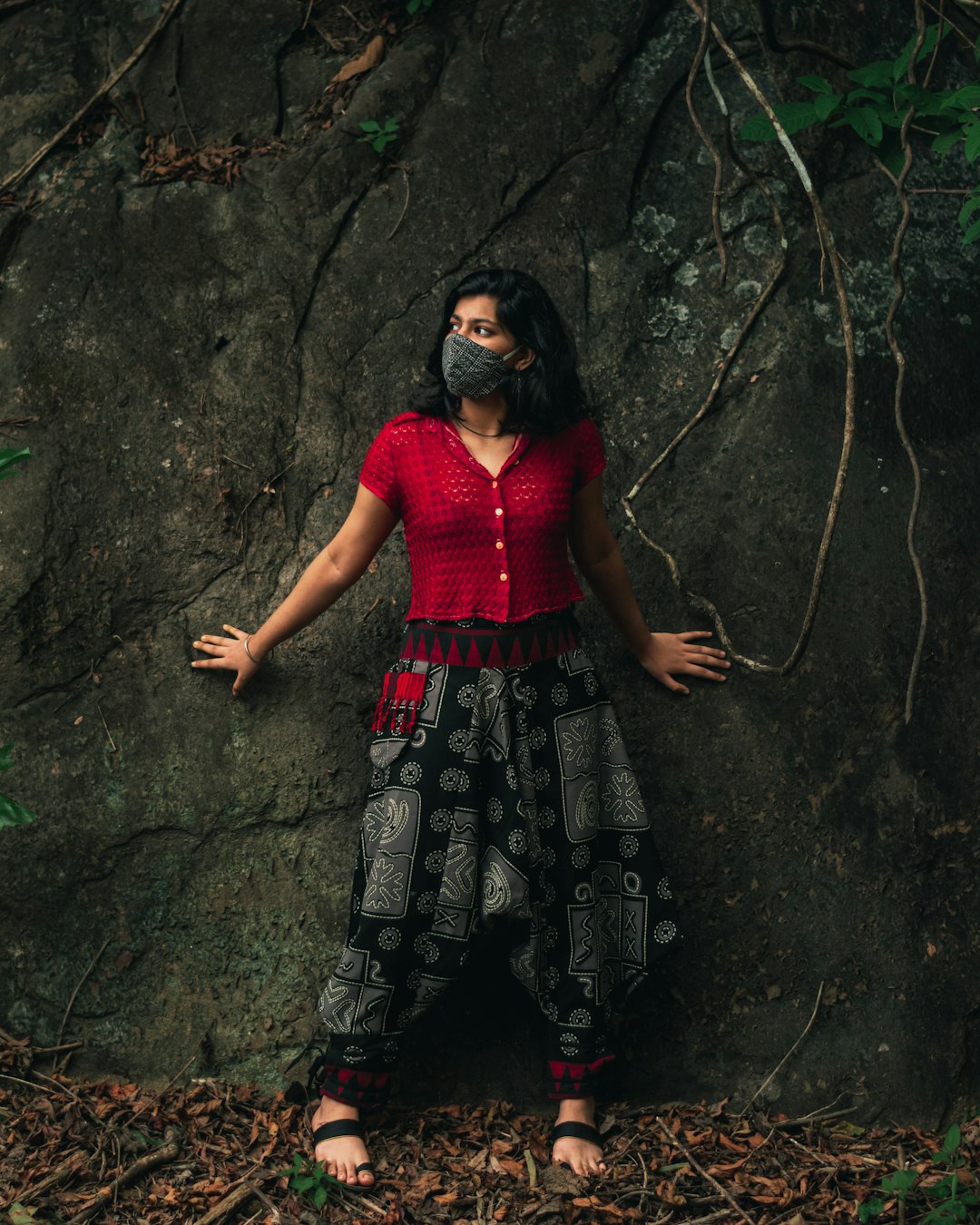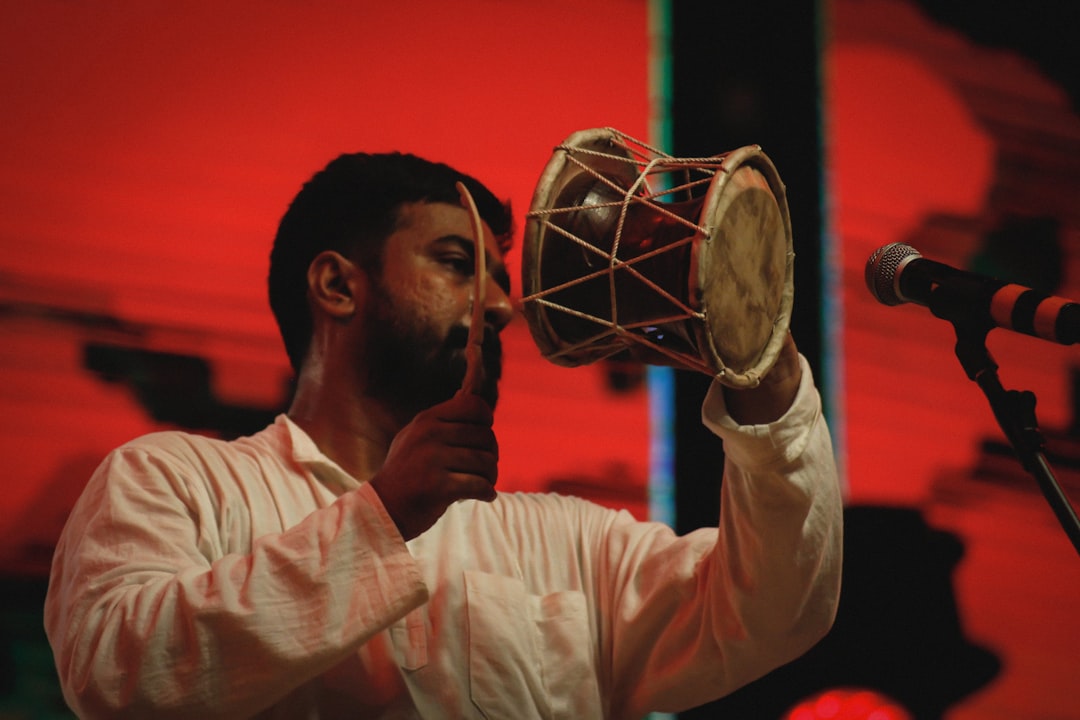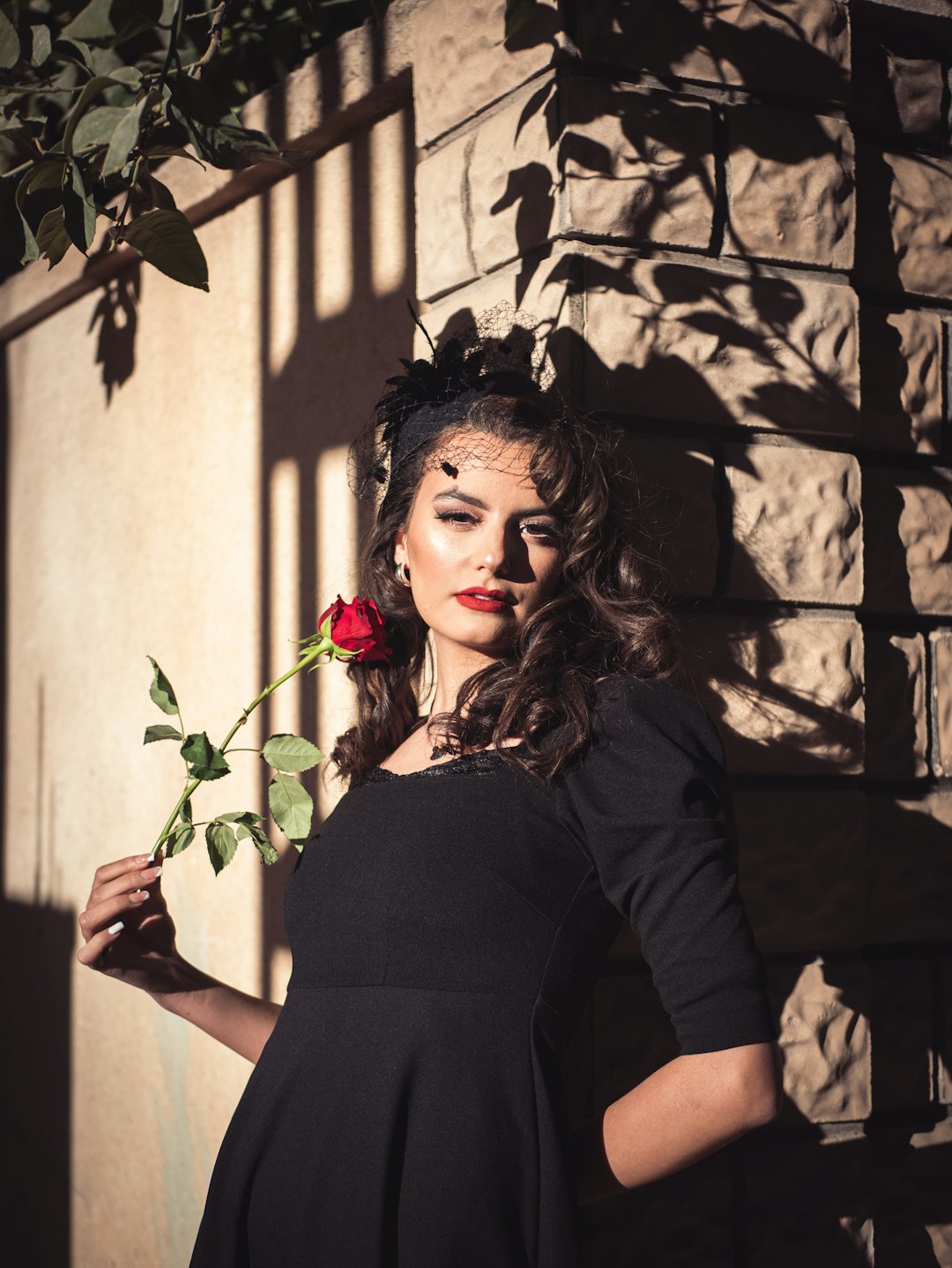
Ready to shimmy your way to fitness and fun? Belly dance is a mesmerizing art form that builds core strength, boosts confidence, and connects you with a vibrant community of movers. Whether you're drawn to the cultural roots of Egyptian raqs sharqi or the creative freedom of tribal fusion, finding the right training environment makes all the difference.
If you're searching for belly dance classes in Okolona, this guide will help you evaluate your options and choose a studio that matches your goals, schedule, and learning style.
What to Look for in a Belly Dance Studio
Before committing to classes, visit prospective studios with these criteria in mind:
| Factor | Questions to Ask |
|---|---|
| Instructor credentials | How many years have they performed? Do they hold certifications from recognized festivals or master teachers? |
| Class size | Is enrollment capped? Will you receive individual feedback? |
| Style focus | Does the studio specialize in Egyptian, Turkish, American Cabaret, tribal fusion, or multiple styles? |
| Community access | Are there student haflas (dance parties), performance opportunities, or social events? |
| Practical logistics | What are the fees, cancellation policies, and COVID safety protocols? Is the space accessible? |
Five Types of Studios You'll Find in Okolona
Based on common studio models across mid-sized American cities, here are the distinct approaches you're likely to encounter. Use these as benchmarks when evaluating actual businesses in your area.
1. The Technique-Focused Academy
These studios prioritize foundational skill-building above all else. Look for instructors who break down isolations—hip drops, chest lifts, mayas, and choo-choo shimmies—into progressive drills. The best academies cap enrollment at eight to twelve students per class, ensuring 90-minute sessions allow time for individual correction. Ask whether the curriculum includes mandatory history modules tracing belly dance from 19th-century Egyptian entertainment through its American evolution in the 1960s and 70s.
Green flag: Live tabla drumming workshops or quarterly sessions with guest musicians.
2. The Cultural Heritage Center
Some studios position belly dance within broader Middle Eastern and North African arts education. Beyond movement vocabulary, these centers may offer Arabic language components, costume construction workshops, or lectures on regional musical traditions. This model suits students motivated by cultural connection as much as physical practice.
Green flag: Instructors who have trained directly with Egyptian or Turkish master teachers, or who perform regularly at authentic cultural events.
3. The Community Hub
These spaces prioritize social connection and low-pressure performance opportunities. Expect monthly haflas open to family and friends, student showcases at local festivals, and collaborative choreography projects. The atmosphere tends toward inclusive and celebratory rather than competitive—ideal for newcomers who might find formal academies intimidating.
Green flag: Clear policies welcoming all body types, ages, and gender identities; beginner-friendly event formats.
4. The Intimate Loft Studio
Small-group or private instruction dominates this model, with classes held in converted commercial or residential spaces rather than dedicated dance facilities. The trade-off is personalization: you'll likely develop your unique stylistic voice faster with concentrated instructor attention. Verify that the space has proper flooring (sprung wood or Marley over concrete) to protect your joints during barefoot practice.
Green flag: Customized lesson plans, flexible scheduling, and detailed feedback on your movement quality.
5. The Fusion Fitness Studio
These programs blend belly dance isolations with contemporary dance, Pilates, or strength training for a full-body workout. Classes move quickly and emphasize cardiovascular conditioning alongside technique. This approach attracts students primarily motivated by fitness, though dedicated dancers sometimes find the reduced cultural context limiting.
Green flag: Certified fitness credentials alongside dance training; clear class descriptions distinguishing "fitness belly dance" from traditional technique tracks.
Preparing for Your First Class
Once you've selected a studio, arrive ready to learn:
- Footwear: Most belly dance is practiced barefoot or in flexible dance socks. Avoid street shoes on studio floors.
- Attire: Form-fitting clothing lets you and your instructor see your alignment. A hip scarf with coins or fringe adds satisfying auditory feedback to your movements.
- Mindset: Leave self-judgment at the door. Isolations feel unnatural at first; consistency builds the neuromuscular pathways that make them second nature.
Taking the Next Step
Okolona's belly dance community—like any local arts ecosystem—rewards curiosity and persistence. Attend a trial class or open house before committing to a session package. Introduce yourself to instructors and ask about their training lineage. The best teachers welcome scrutiny of their credentials.
Whether your goal is stage performance, cultural immersion, or simply a joyful movement practice, the right studio transforms belly dance from an occasional activity into