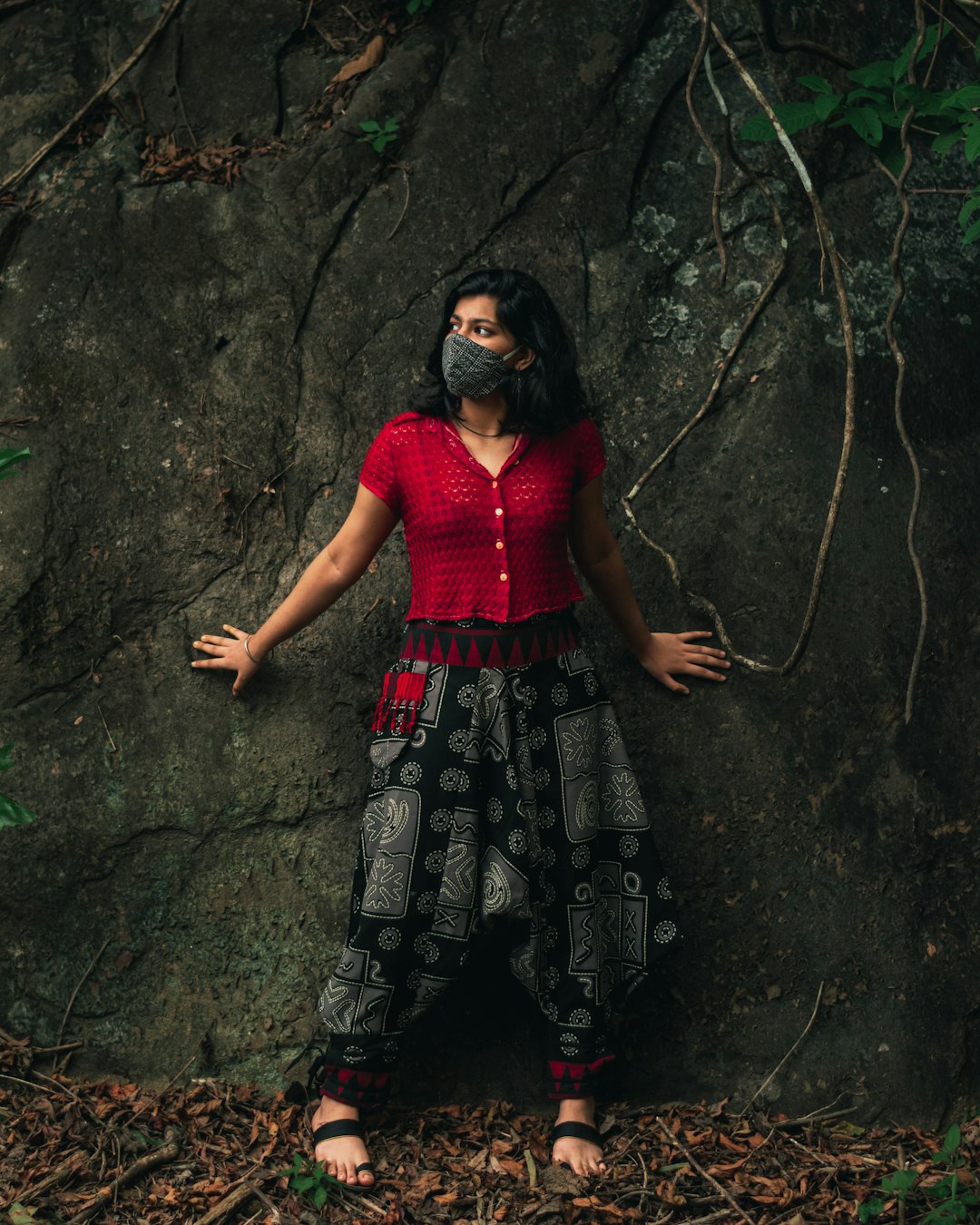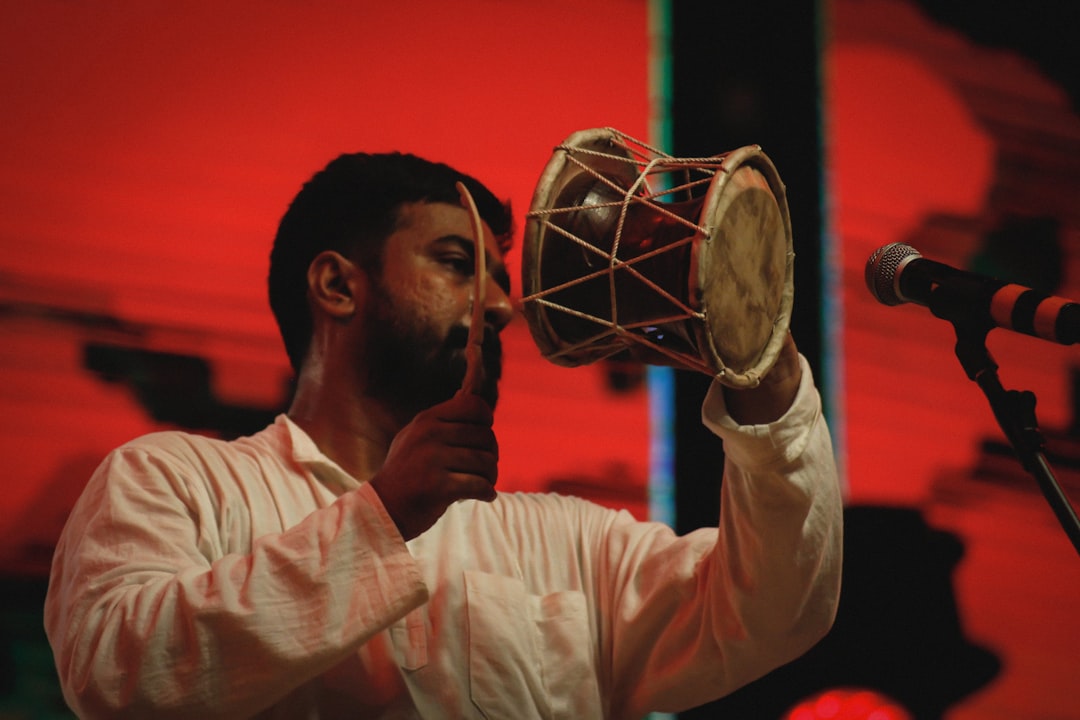
Unlike ballet slippers or jazz shoes, belly dance footwear spans a spectrum—from bare-footed floor work to ornate heels designed for Turkish cabaret. Whether you dance in simple leather half-soles or beaded ballroom pumps, proper care protects your investment and, more importantly, your body. Well-maintained shoes preserve the articulation and grounded connection that define this dance form, while neglected footwear can lead to slips, strains, and shortened careers.
Know Your Footwear
Before you can care for your shoes properly, you need to understand what you're working with. Each style demands a different maintenance approach.
| Shoe Type | Common Materials | Key Care Consideration |
|---|---|---|
| Soft-soled practice shoes | Leather, canvas | Avoid moisture; use leather conditioner quarterly |
| Half-sole/foot undies | Suede, synthetic | Brush suede nap regularly to restore grip |
| Heels (Turkish/Egyptian style) | Satin, leather, decorative elements | Spot-clean embellishments; inspect heel tips monthly |
| Barefoot sandals | Beads, coins, elastic | Store flat to prevent tangling and breakage |
Your floor surface matters too. Marble and tile chew through suede faster than wood; carpet traps moisture against synthetic materials. Factor your primary practice space into your care routine.
Daily Care Rituals
The Post-Practice Wipe-Down
Make it a habit to clean your shoes immediately after dancing. Sweat salts break down adhesives and leather fibers over time. Use a soft brush or microfiber cloth to remove dirt while it's still loose. For half-soles, a quick brush restores the suede nap that gives you controlled glide and stop.
Sweat Management
Belly dance is a workout. Rotate between two pairs if you practice 3+ hours weekly—suede needs 24 hours to fully dry between sessions. Consider moisture-wicking inserts for full shoes, and remove them after each use to air-dry separately.
Material-Specific Deep Cleaning
Leather and Suede: Use a dedicated suede brush to lift dirt from the nap—never use water on suede soles, as this destroys their grip permanently. For leather uppers, apply a thin layer of leather conditioner every three months to prevent the cracking that leads to stiffness and blisters.
Synthetic Materials: A damp cloth with mild dish soap works for most man-made uppers, but test on an inconspicuous area first—some dyes run when wet.
Embellished Shoes: Spot-clean only. Use a cotton swab dipped in plain water (no soap) around beads and coins; moisture loosens adhesives. For coins that tarnish, a soft jewelry cloth restores shine without dislodging settings.
Smart Storage Solutions
Where you store your shoes directly impacts their lifespan. Choose a closet shelf or breathable cotton bag—not a plastic bin or car trunk. Plastic traps humidity; car interiors become ovens that warp soles and melt glues.
Avoid direct sunlight, which fades rich satins and weakens elastic straps. If you live in a humid climate, tuck silica gel packets into your shoe bag during storage. Check stored shoes monthly for early signs of mold: musty smells, dark spots on leather, or a powdery film on suede.
For barefoot sandals with intricate beadwork, lay them flat in a shallow box rather than hanging or bunching them. This prevents cord tangling and bead abrasion.
Sole Maintenance and Floor Connection
The soles of your belly dance shoes create your dialogue with the floor. Inspect them monthly if you practice regularly. Look for three warning signs: smooth patches where suede has worn flat, separating glue at the edges, or compressed cushioning that no longer springs back when pressed.
Restore suede grip with a wire brush designed for dance shoes—gentle strokes realign the fibers. For rubber-soled practice shoes, a protector spray formulated for dance floors maintains traction without sticky residue that picks up dust.
When dancing on unfamiliar surfaces, test your shoes before committing to full movement. A sole that grips beautifully on wood may skid dangerously on polished marble.
Stretching and Fit Preservation
New shoes should feel snug, not painful. If you need to stretch leather or satin uppers, use a shoe stretcher overnight rather than wearing damp shoes (a technique that warps structure). For targeted pressure points, professional stretchers with spot plugs work better than generic methods.
Never force your feet into shoes that have shrunk from moisture exposure. Wet leather contracts as it dries, and forcing the issue creates misshapen footwear and damaged feet. If shoes feel tight after storage, let them acclimate to room temperature for an hour before attempting gentle stretching.
When to Retire Your Shoes
Even with meticulous care, every pair reaches its end. Retire shoes when:
- The sole has worn through to the inner layer, exposing stitching or foam
- You've developed persistent foot, knee, or hip pain that correlates with wearing specific footwear
- The