Your first belly dance class probably ended with a jingle of coins and a scramble to find something—anything—that would stay put during a shimmy. Three years in, you own seventeen hip scarves and still reach for the same fraying pair of harem pants every rehearsal. Whether you're drilling basics in your living room or preparing for your first paid gig, building the right wardrobe means understanding what actually works for this demanding art form.
Here's how to assemble a belly dance wardrobe that serves every stage of your journey, from practice wear to professional performance costumes.
Practice Wear vs. Performance Attire: Know the Difference
Before buying a single item, understand this crucial distinction. Practice wear prioritizes durability, washability, and freedom of movement—think cotton, stretch fabrics, and minimal embellishment. Performance costumes demand visual impact: richer fabrics, strategic coverage, and details that catch stage lighting.
Many beginners overspend on glittering costumes before mastering technique, while intermediate dancers often perform in faded practice wear. Build both wardrobes intentionally.
Bottoms: Pants, Leggings, and What Actually Stays Up
Harem Pants
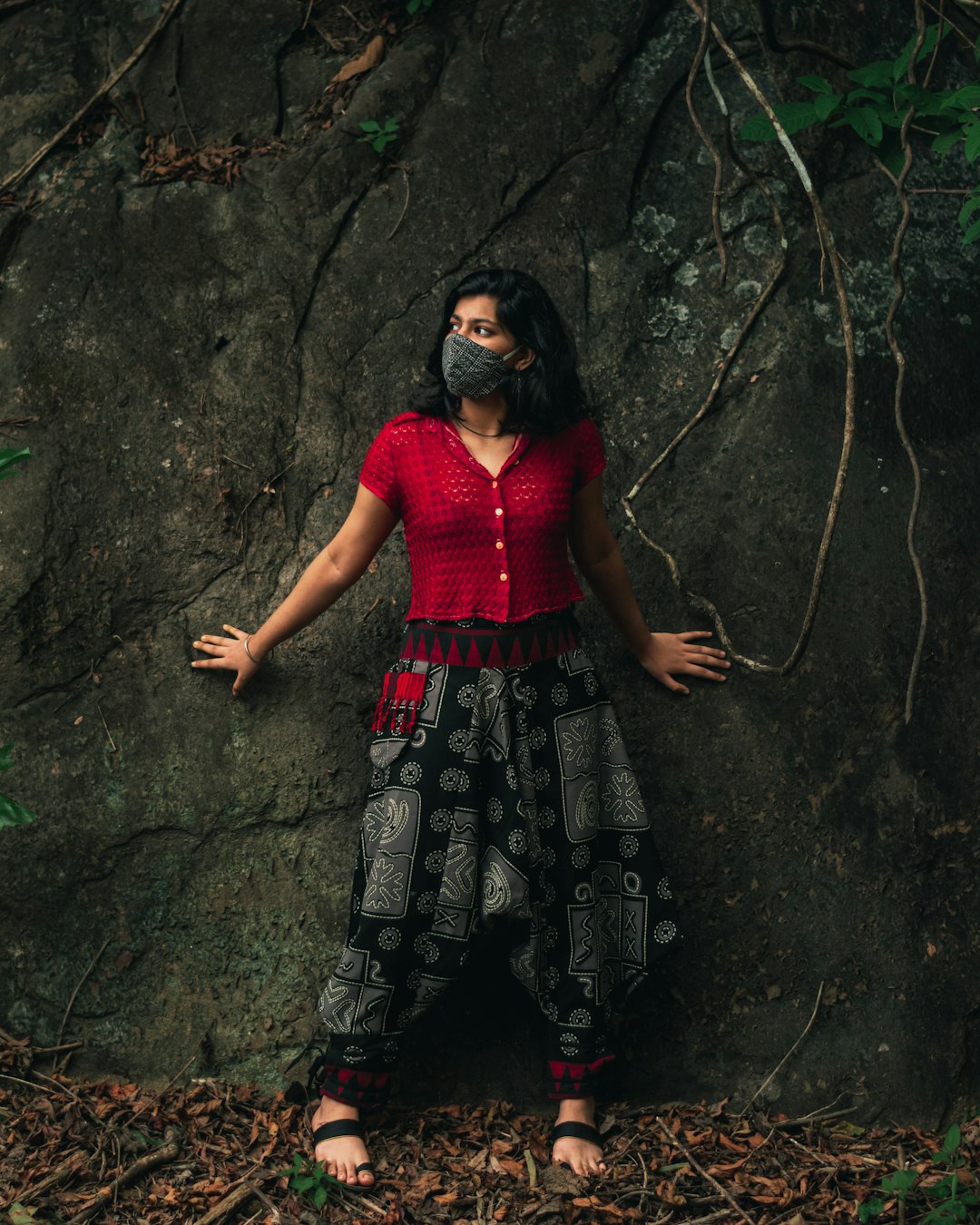
The belly dance staple for good reason. Look for cotton or rayon blends with elastic or drawstring waists that sit at your natural waist—not your hips—to stay secure through shimmies and drops. Avoid overly voluminous styles that obscure your hip work; your instructor (and audience) needs to see your technique.
Pro tip: Tribal dancers often prefer solid, dark colors for versatility. Egyptian-style performers might choose embellished versions with subtle embroidery.
Leggings and Dance Tights
Tight-fitting and reliable, quality leggings work for drilling choreography or fusion styles. Choose high-waisted options with substantial fabric that won't turn sheer when stretched. For performance, consider unitards (full-body garments) under skirts for seamless coverage during floor work or dramatic backbends.
Circle Skirts and Mermaid Styles
Pants aren't your only option. Circle skirts in light cotton or silk show hip accents beautifully and create stunning movement. Mermaid or fishtail skirts—fitted through the hips with flared hems—elongate the silhouette for Egyptian Raqs Sharqi. Panel skirts offer dramatic slit potential for Turkish or theatrical styles.
Fabric guidance: Hold the material at your hips and twist. If you can clearly see the movement, it will photograph and stage well.
Tops: From Studio to Stage
Practice Tops
Start with fitted tank tops, sports bras, or cropped yoga tops that won't ride up during arm movements. Many dancers prefer cholis—fitted, often backless tops borrowed from Indian dance tradition that provide coverage without bulk.
Performance Bras and Bedlahs
A professional belly dance bra isn't lingerie—it's engineered for movement. Look for:
- Wide, non-stretch straps that distribute weight
- Underwire or structured cups for D+ support
- Secure closures (never hook-and-eye alone for performance)
- Built-in lining or pockets for costume padding
Bedlahs (matching bra-and-belt sets) remain the classic Egyptian performance look. Expect to invest $200–$600 for quality construction, or learn to DIY with courses from experienced costumers.
Hip Accents: Scarves, Belts, and the Art of the Drape
Hip Scarves (Melaya Lff)
These rectangular or triangular pieces—often coin-covered or beaded—emphasize hip movements through sound and visual weight. For practice, choose lighter versions with fewer coins to protect your joints. Performance pieces may feature hundreds of coins, heavy fringe, or elaborate beadwork.
Care note: Store coin scarves flat or rolled, never folded, to prevent thread stress. Wipe coins with a dry cloth after performing to remove skin oils and sweat.
Veils: Technique, Not Just Prop
The rectangular silk veil (typically 3 yards of 5mm or 8mm habotai or chiffon) is integral to belly dance technique, not merely decorative. Beginners should master rectangular veils before attempting half-circle styles, which demand advanced handling.
Buying guide: Quality silk runs $30–$80. Avoid polyester—it generates static electricity that ruins graceful drops and turns. Test by tossing the fabric overhead; it should float down slowly, not cling or crackle.
Foulard and Assuit
Foulard refers to lightweight printed scarves, traditionally silk, used for specific regional styles or as head coverings. Assuit (netting with hammered metal strips) creates dramatic, weighty hip accents for vintage-inspired or theatrical performances—beautiful but demanding to maintain.
Footwear: Protecting Your Foundation
Barefoot Technique
Traditional and effective, but not always practical. Hard floors damage feet over time; rough surfaces cause injury.