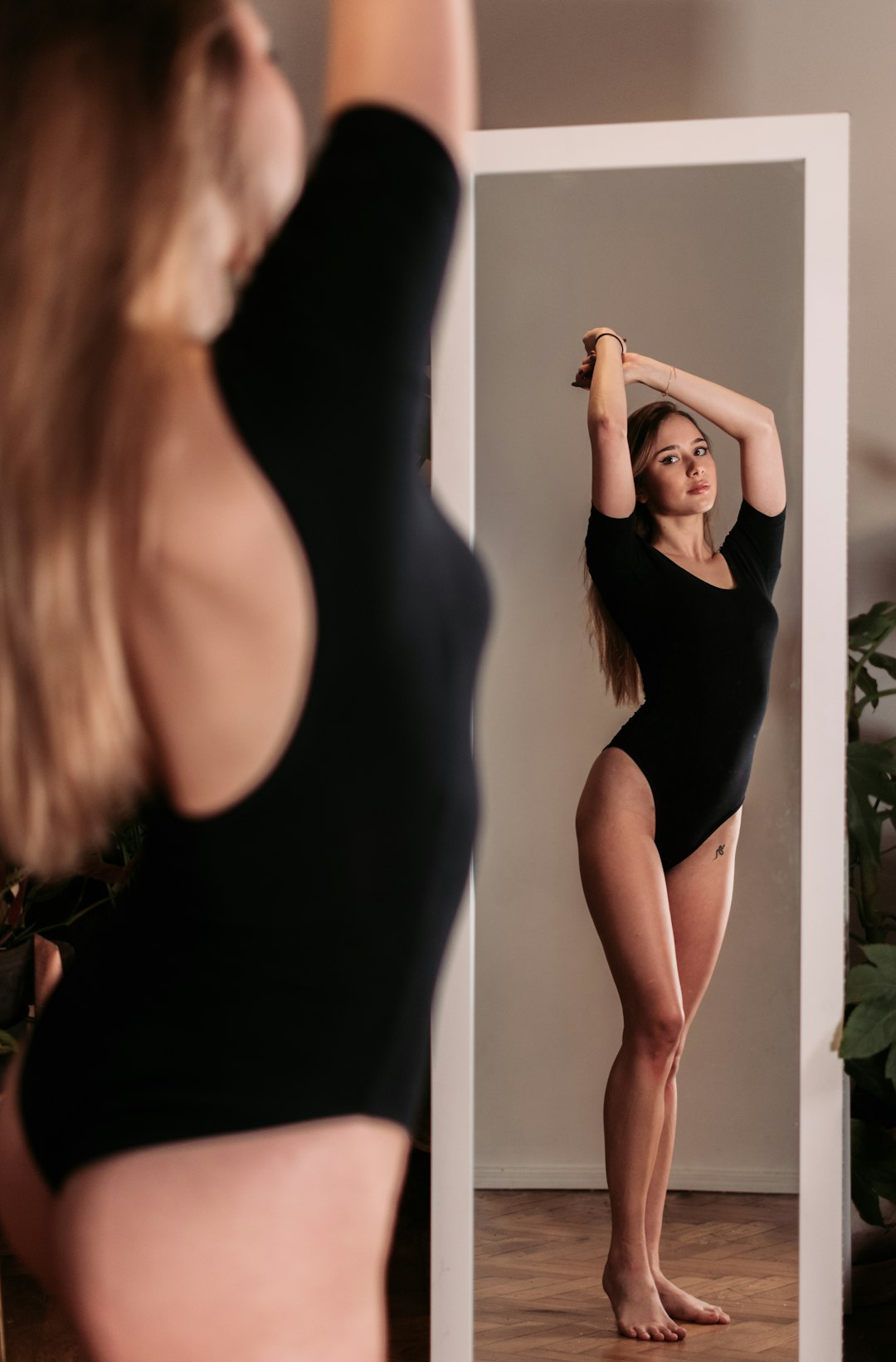
The first time you isolate a perfect hip circle to live darbuka rhythms, you'll understand why belly dance has captivated audiences across the Middle East, North Africa, and beyond for millennia. Rooted in the social dances of Egypt, Lebanon, and Turkey, this art form offers more than mesmerizing movement—it builds body awareness, confidence, and cultural connection.
In the next 10 minutes, you'll learn how to build a sustainable practice that honors these traditions while developing your unique expression. Whether you're drawn to the dance for fitness, performance dreams, or pure joy, this guide replaces generic advice with the technical foundation and cultural context that transforms beginners into informed, respectful dancers.
What to Wear (and Why)
Beginners often delay starting because they imagine elaborate costumes. Don't. Your practice wardrobe needs only three elements:
- Form-fitting top and bottom: You must see your body's lines to assess technique. A fitted tank and yoga pants work perfectly.
- Hip scarf: Any fabric belt with coins, beads, or fringe provides instant feedback on hip movement. (The audible reward of a successful shimmy is genuinely motivating.)
- Bare feet or dance shoes: Most dancers practice barefoot to feel floor connection; soft-soled dance shoes protect sensitive feet.
Save the professional costuming for when you've committed to performance. Early investment in sequins often becomes expensive clutter.
Build Your Physical Foundation
Establish Your Posture First
Before attempting any movement, master the dancer's stance:
Stand with feet hip-width apart, knees softly bent (never locked), pelvis in neutral alignment. Drop your shoulders away from your ears, lengthen through the spine, and engage your core—think 30% tension, not rigid contraction. This position, called the "home position," prevents injury and creates the illusion of effortless floating that defines skilled belly dance.
Why this matters: Poor posture forces compensatory tension in your lower back and neck. Dancers who skip this step typically plateau within months due to chronic strain.
Breathe Consciously
Belly dance originates from cultures where the abdomen, not the chest, leads breathing. Practice diaphragmatic breathing: inhale to expand your lower ribs and belly, exhale with controlled release. This breathing pattern unlocks the relaxed core necessary for isolations and prevents the shallow, chest-dominant breathing that creates visible tension in your upper body.
Master Hip Mechanics
The hip circle appears simple but reveals technical depth upon examination:
- Position: Weight on the balls of your feet, heels lightly touching the floor
- Initiation: Engage your obliques to shift weight—never force the movement through your knees
- Path: Trace a horizontal circle on an imaginary wall behind you: forward → side → back → side
- Upper body discipline: Your ribcage and shoulders remain absolutely still; this contrast creates the dance's characteristic illusion
Practice slowly enough to maintain the circle's shape. Speed without control destroys the technique's elegance.
Integrate Your Upper Body
Once hips move independently, add arm pathways. Begin with "cactus arms"—elbows lifted, wrists relaxed, hands framing your face. From this position, extend through serpentine waves or strong geometric shapes. Your arms should never compete with your hips for attention; they frame, punctuate, and extend your movement's energy rather than generating their own.
Find Your Rhythm
Understand the Musical Structure
Belly dance music operates on systems foreign to Western pop training. Before attempting complex choreography, internalize these foundational rhythms:
| Rhythm | Character | Common Usage |
|---|---|---|
| Baladi | Heavy, grounded 4/4 | Social dancing, earthy movements |
| Saidi | Driving, celebratory | Upper Egyptian folk style, cane/stick work |
| Chiftetelli | Slow, hypnotic 8/4 | Veil work, emotional expression |
| Malfuf | Fast, energetic | Entrances, drum solos |
Listen actively to each rhythm until you can identify it without visual cues. [Recommended: "Bellydance Superstars" compilations for clear rhythmic separation; "Hossam Ramzy" for traditional Egyptian structure.]
Progress Tempo Intelligently
Start with half-speed recordings. Your nervous system requires time to map new movement patterns; practicing too quickly embeds imprecise muscle memory that takes months to correct. When you can execute a movement cleanly at 50% speed, increase by 10% increments. Patience here accelerates long-term progress dramatically.
Explore Styles With Context
"Traditional Egyptian" (Raqs Sharqi) emphasizes internal, subtle movement and emotional narrative. "Turkish Oriental" features sharper isolations and faster footwork. "Tribal Fusion" draws from American innovations incorporating Indian, flamenco, and contemporary influences.
Experiment widely, but research each










