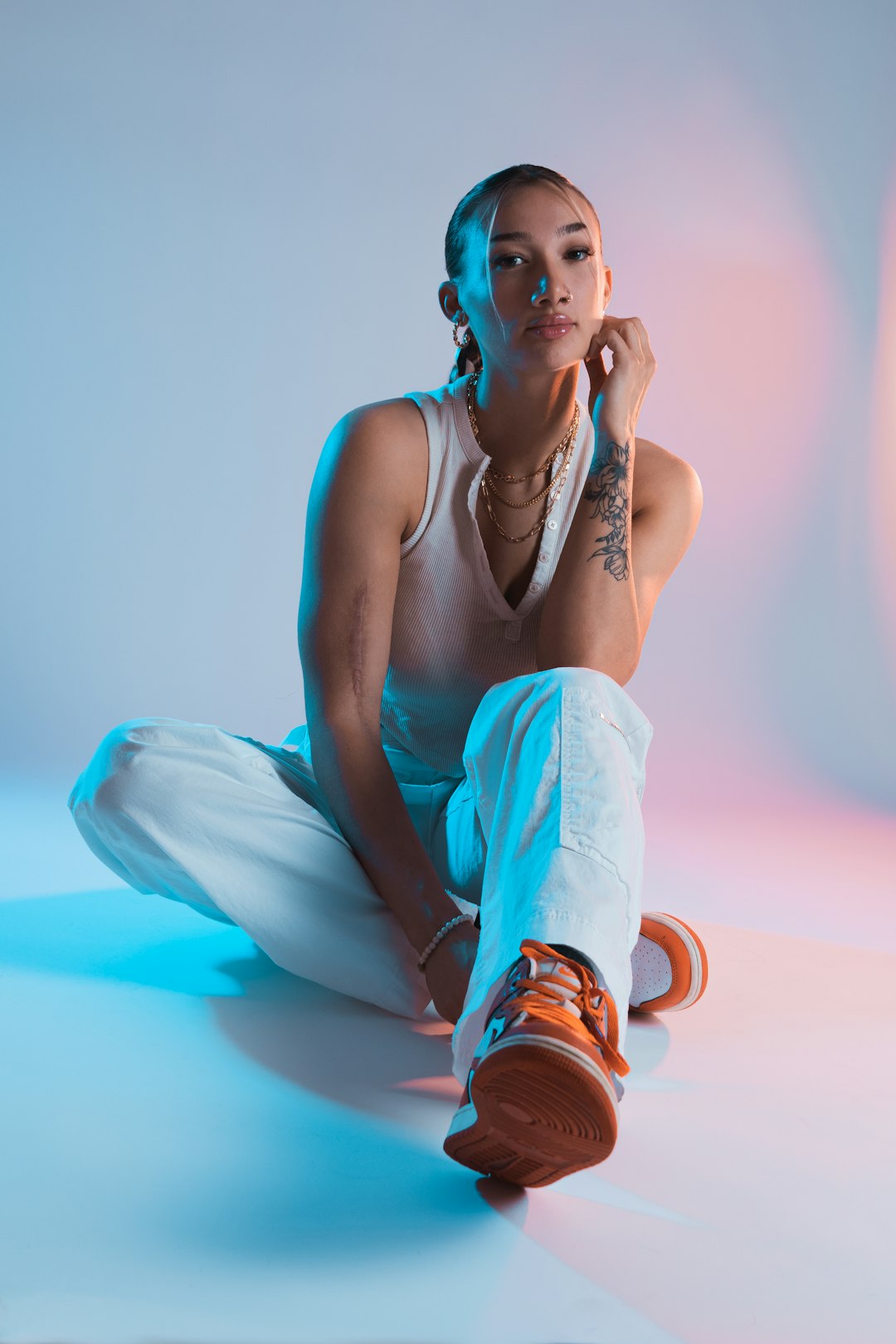
Lyrical dance occupies that intoxicating space where technical precision meets raw emotional expression. At the intermediate level, you're no longer just learning steps—you're learning to speak through movement. This means controlled pirouette sequences that whisper rather than announce themselves. Développé à la seconde holds that breathe with the music. Floor work transitions so seamless they feel like water finding its level.
If you've spent two to four years training and can execute solid single or double pirouettes while picking up combinations with growing confidence, you've entered intermediate territory. Here's how to build the technical control and emotional honesty that define this level.
1. Know Where You Stand: Defining Intermediate Lyrical
Before targeting specific skills, understand what separates intermediate from beginner lyrical. At this level, you're expected to:
- Maintain ballet alignment while incorporating jazz dynamics and contemporary release technique
- Learn and retain longer combinations (32–64 counts) with directional changes and level shifts
- Modulate energy consciously—from explosive leaps to suspended, breath-held moments
- Begin developing a recognizable personal style, even within choreography
The intermediate dancer doesn't just execute; they interpret. This requires both physical readiness and mental presence.
2. Warm Up with Intention
Generic jumping jacks won't prepare your body for the specific demands of lyrical technique. Structure your warm-up around these three pillars:
Dynamic mobility for extensions. Open hip flexors and hamstrings through controlled leg swings, deep lunges with thoracic rotation, and standing figure-four stretches. Your développés and grand battements depend on this range.
Spinal articulation. Lyrical fluidity lives in the torso. Practice sequential roll-downs, cat-cow variations, and side-body lengthening to ensure your back can curve, arch, and twist with control.
Emotional centering. Take two minutes before physical warm-up to breathe deeply and identify your emotional state. Lyrical dance requires immediate access to feeling; this practice builds that neural pathway.
3. Build the Technical Foundation
Intermediate lyrical demands what teachers call the "lyrical triangle": ballet alignment, jazz attack, and contemporary release. Master these specific elements:
Turnout integrity through extended lines. In arabesque and attitude positions, actively spiral the working leg from deep within the hip socket rather than forcing rotation from the knee or ankle.
Core-engaged relevé balance. Practice sous-sus and retiré holds with eyes closed, focusing on the internal lift through the pelvic floor rather than gripping the thighs.
Breath-initiated movement. Before any arm gesture or torso contraction, inhale or exhale deliberately. Let the breath cause the movement, not accompany it. This transforms mechanical execution into living expression.
Floor work transitions. Practice moving from standing to floor and back without momentum—using muscular control, gravity, and breath. Try: standing split roll-down to seated spiral to kneeling arch recovery.
4. Develop Musicality and Phrasing
Beginners dance on the music. Intermediate dancers dance inside it, choosing when to ride the melody, when to punctuate the rhythm, and when to exist in the silence between notes.
Dance the melody vs. the rhythm. Practice the same eight-count phrase twice—once emphasizing flowing, legato movement with the vocal line, then again with sharp, staccato accents matching percussion.
Catch the unexpected accent. Train your ear to hear the off-beat piano chord, the breath in the singer's voice, the cymbal's decay. These are your moments to make choices.
Breathe with phrasing. Mark through choreography identifying where natural inhalation and exhalation occur. If a movement phrase feels awkward, check whether you're fighting your own breath.
5. Train Your Artistic Voice
Technical execution without emotional truth reads hollow. Build your interpretive skills through deliberate practice:
Emotional recall exercises. Before running a combination, identify the narrative arc—longing, resistance, surrender, joy—and recall a personal memory that resonates. Let that memory color your movement quality without changing the choreography.
The through-line. In longer pieces, maintain narrative continuity. If your character is grieving in minute one, that grief should still shadow your body in minute three, even during technical sequences.
Video self-analysis. Record yourself weekly. Watch first with sound, noting musical choices. Then mute the audio, observing only movement quality and facial expression. Finally, watch at half-speed analyzing technical execution. This triple perspective reveals gaps between your intention and output.
Cross-training recommendations. Pilates builds the deep core stability for sustained balances. Yoga for dancers (not generic yoga) addresses the specific flexibility and breath control lyrical requires. Both support the physical demands without overloading your dance schedule.
6. Structure Your Practice
Unstructured repetition reinforces habits—both good and bad. Design your solo practice with