Maria Chen could breeze through beginner Zumba classes without breaking a sweat. After six months of twice-weekly sessions, the moves felt automatic; the challenge had disappeared. When she finally stepped into an intermediate class, the first song humbled her—faster tempo, intricate footwork, and strength intervals that left her muscles trembling.
Within three months, she'd dropped 8% body fat and could outlast her marathon-runner sister on hiking trips.
This is what happens when Zumba stops being just dance and becomes genuine athletic training.
Is Intermediate Zumba Right for You?
Intermediate Zumba isn't simply "harder Zumba." It's a structured progression designed for participants with approximately 3–6 months of regular Zumba experience (2–3 times weekly) or equivalent dance/aerobic background.
You're likely ready for intermediate Zumba if you can:
- Complete a full beginner class without extended breaks
- Execute basic salsa and merengue steps without verbal cueing
- Maintain continuous movement for 45+ minutes
- Follow choreography changes on the first or second demonstration
If these don't describe you yet, another month of foundational work will prevent frustration and reduce injury risk.
Beginner vs. Intermediate: The Real Differences
| Element | Beginner Level | Intermediate Level |
|---|---|---|
| Tempo | 115–128 BPM | 130–145 BPM |
| Choreography | 4-count patterns, repeated sequences | 8-count directional changes, syncopated rhythms |
| Movement complexity | Single plane (front/back, side/side) | Multi-planar with layered arm/foot combinations |
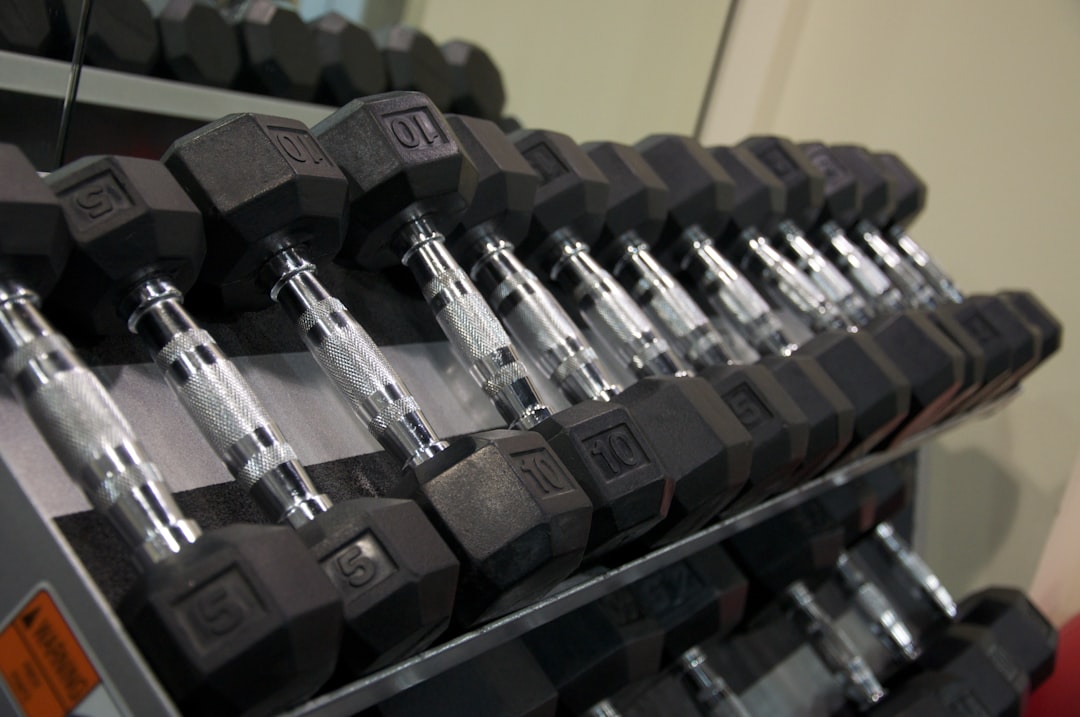
| Strength components | Minimal or none | Dedicated bodyweight resistance segments |
| Recovery periods | 30–60 seconds between songs | 15–30 seconds, active recovery |
The intermediate format transforms Zumba from recreational movement into metabolic conditioning. Routines incorporate salsa, merengue, reggaeton, and cumbia at velocities that demand cardiovascular adaptation, while bodyweight resistance segments—including squats with hip rotations, lunges with arm pulses, and plank variations held during musical breaks—create genuine strength stimulus.
The Science Behind the Sweat
Generic fitness claims fail readers. Here's what research and physiological data actually show about intermediate Zumba:
Calorie expenditure: A 2012 American Council on Exercise study measured Zumba participants burning 400–600 calories per 60-minute session—comparable to running at a 10-minute-mile pace or cycling vigorously.
Cardiovascular impact: Intermediate classes sustain 60–80% of maximum heart rate for 30+ continuous minutes, meeting American Heart Association guidelines for improving cardiovascular fitness.
Muscular engagement: Unlike steady-state cardio, intermediate Zumba activates core stabilizers, glutes, quadriceps, and deltoids simultaneously through integrated movement patterns. The strength intervals specifically target fast-twitch muscle fiber recruitment.
Psychological benefits: Research published in Journal of Sport and Health Science (2016) found dance-based fitness significantly reduced cortisol levels and increased β-endorphin release compared to treadmill exercise of equivalent intensity—explaining the distinctive mood elevation Zumba participants report.
Your First Class: A Survival Guide
Find Your Format
Not all intermediate classes are equal. Look for:
- Instructors with Zumba Basic 2 or higher certification
- Class descriptions mentioning "Zumba Fitness" rather than "Zumba Gold" (senior-focused) or "Zumba Toning" (specialized equipment)
- Studios offering 60-minute sessions minimum—45-minute classes often truncate strength components
Online options exist, but live instruction provides real-time form correction essential for intermediate complexity.
Gear That Actually Matters
Footwear: Cross-trainers with lateral support, not running shoes. The pivoting movements in salsa and cumbia will destroy standard running shoe structures and your knees with them. Look for smooth soles that allow rotation without sticking.
Clothing: Moisture-wicking fabrics mandatory. Intermediate intensity generates substantial sweat; cotton becomes heavy and chafing within 20 minutes.
Recovery tools: A foam roller and resistance bands for home use address the delayed-onset muscle soreness you'll experience in week one.
Pace Your Progression
Week 1–2: Focus on footwork accuracy, not intensity. Miss a directional change? Complete the move facing any direction rather than stopping. Stopping breaks cardiovascular adaptation.
Week 3–4: Add arm movements only when lower body patterns feel automatic. Layering complexity prematurely degrades form and reduces calorie burn.
Week 5–8: Increase session frequency from 2 to 3–4 weekly, ensuring 48 hours between classes for muscle recovery.
Common Intermediate Mistakes (And How to Avoid Them)
Sacrificing form for speed The tempo increase tempts sloppy execution. Maintain proper knee alignment during squats and