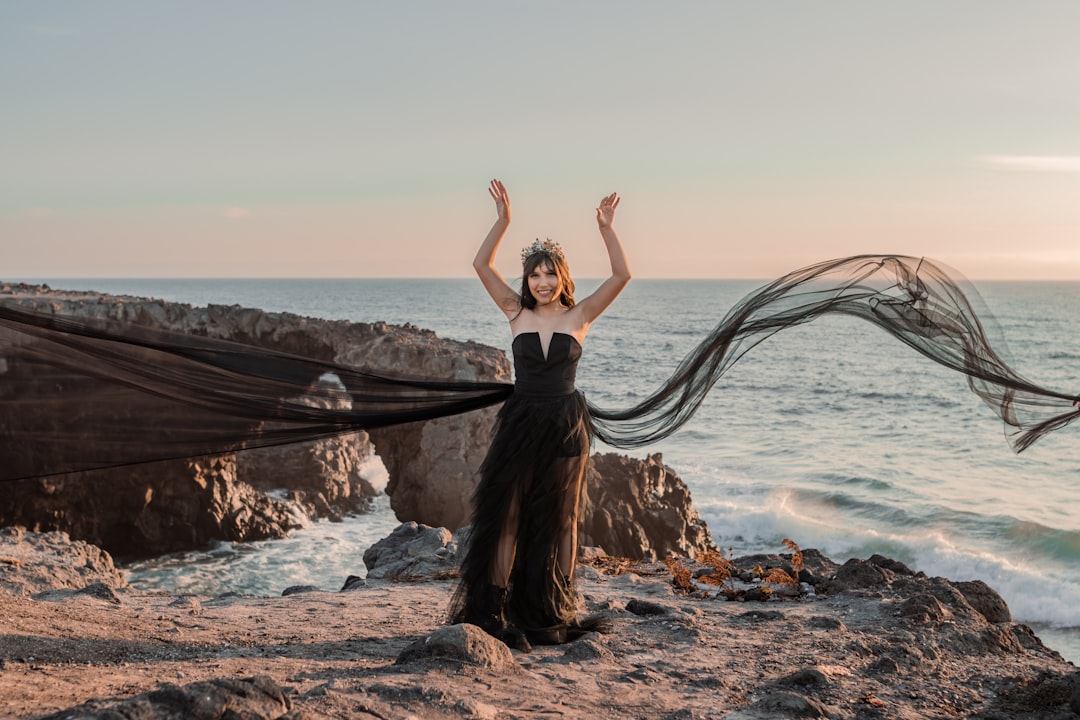
Contemporary dance mastery isn't a destination—it's a practice of perpetual destabilization. If you've moved past beginner classes and can execute choreography with technical competence, you've reached a peculiar threshold: you're skilled enough to recognize what you don't know, yet far enough from professional integration to risk plateauing. This guide bridges that gap with specific, contemporary-focused strategies that transform competent dancers into distinctive artists.
Phase I: Deepening—Rebuild From the Floor Up
Release Your Foundation
Intermediate dancers often mistake accumulation for growth. You've collected steps, yes, but contemporary dance demands something more fundamental: a responsive, intelligent body that chooses efficiency over effort.
Replace mindless repetition with structured independent practice:
| Block | Duration | Focus |
|---|---|---|
| Somatic conditioning | 20 min | Floor work, spiral mechanics, breath-initiated movement |
| Phrase accumulation | 20 min | Reconstruct class material from memory, then manipulate it |
| Directed improvisation | 20 min | One constraint—initiate from the pelvis, halve your usual time, or eliminate verticality |
The goal isn't perfection. It's developing what choreographer William Forsythe calls "kinetic availability": a body ready to respond to any impulse without protective habit.
Study the Lineage, Not Just the Legends
Steal strategically. When you watch Pina Bausch, analyze her use of repetition—how mechanical accumulation generates emotional rupture. Study Crystal Pite for narrative architecture built from physical metaphor, not literal storytelling. Examine Sidi Larbi Cherkaoui for cultural hybridity and partnering intelligence.
But don't stop at video. Read: The Body Is a Clear Place by Erick Hawkins. Watch: documentaries on the Judson Dance Theater revolution. Understand that your technique exists within a postmodern lineage that questioned what dance is—not merely how it's executed.
Phase II: Expanding—Cross-Train With Intention
The Techniques That Actually Matter
Ballet and jazz will sharpen your instrument, but contemporary mastery requires specific movement philosophies:
- Graham technique: Contraction and release as emotional-physical grammar
- Cunningham technique: Spatial complexity and rhythmic independence
- Release technique: Yielding, weight, and the physics of falling
- Gaga: Sensory awareness and image-driven improvisation
- Contact improvisation: Weight-sharing, listening, and spontaneous composition
Take classes in these specifically—not "contemporary" classes that blend them indiscriminately, but dedicated study with teachers who can articulate their distinct principles.
Develop Somatic Intelligence
This is where contemporary dance diverges most sharply from classical forms. Your body isn't a tool to be trained; it's a site of ongoing research.
Integrate somatic practices into your weekly routine:
- Feldenkrais Awareness Through Movement: Rewire movement patterns at the neurological level
- Alexander Technique: Release habitual tension that limits range and presence
- Body-Mind Centering: Explore developmental movement patterns and their expressive potential
"The body is not a medium for expression. The body is expression itself." — Bonnie Bainbridge Cohen, founder of Body-Mind Centering
This work rarely looks like "dance training." It looks like lying on the floor, rolling slowly, vocalizing. Its effects emerge in performance: a quality of attention that distinguishes competent movers from compelling ones.
Phase III: Creating—Move From Execution to Authorship
Improvisation as Composition
Intermediate dancers often treat improvisation as warm-up or release. Reverse this: treat it as rigorous compositional practice.
Work with improvisation scores—structured frameworks that generate movement without predetermined steps:
- The Forsythe Improvisation Technologies: Lines, curves, and space as active partners
- The Viewpoints: Spatial and temporal relationships as compositional elements
- Authentic Movement: Deep listening between mover and witness
Set specific parameters for each session: "Only travel on curved pathways," or "Every phrase must include a moment of full stillness." Constraint breeds invention.
Navigate the Professional Ecosystem
"Seek performance opportunities" is useless advice when those opportunities are gatekept. Instead, build your own infrastructure:
| Strategy | Action |
|---|---|
| Self-production | Rent studio space, invite three peers, create a 15-minute work, document it |
| Artist residencies | Apply to low-barrier programs (Pioneer Works, Bates Dance Festival's Emerging Artists) with specific project proposals |
| Choreographer relationships | Take class with artists whose work resonates, then request observation or understudy opportunities—not jobs |
| Interdisciplinary collaboration | Partner with musicians, visual artists, or technologists; contemporary dance increasingly lives at these intersections |
Document everything. Your portfolio isn't just performance footage—it's process documentation, sketches, written reflections. This material becomes your application