The Empty Stage
I still remember watching two Hungarian dancers perform the same csárdás at a festival in Budapest. The first dancer hit every accent precisely. Her footwork was textbook. But fifteen seconds in, I was checking my phone. Then the second dancer took the floor. She missed a turn. Her landing wobbled slightly. Yet nobody breathed. Not because she was perfect, but because she was there—fully, terrifyingly present. That's the difference between someone who knows folk dance and someone who has been claimed by it.
If you're reading this, you've probably already mastered the basics. You can execute a grapevine in your sleep. Your heel-toe work is clean. But something's missing, isn't it? The advanced techniques that separate competent performers from unforgettable ones have nothing to do with counting beats.
Stop Researching Like a Student
Most dancers treat cultural context like homework. They read a Wikipedia article about Bulgarian line dances five minutes before rehearsal and call it preparation. That's not understanding; that's collecting trivia.
Real cultural knowledge shows up in your elbows before it shows up in your essays. Spend time with the people who grew up with this music. Notice how a Romanian dancer doesn't just place her foot—she drops her weight differently because this rhythm once echoed through wooden floors of village houses where the ceiling was too low for grand gestures. When you understand that the dance was born from cramped kitchens and mountain celebrations, your body starts making choices that no choreographer can dictate.
Last summer, I watched a Scottish dancer ruin a perfectly good strathspey by keeping her upper body too controlled, too ballet-perfect. She missed that Scottish social dance is essentially a conversation between stubborn friends—there should be a little push and pull, a bit of attitude in the shoulders. The technique was there. The truth wasn't.
Your Ears Are Too Slow
Here's something your music theory class won't teach you: folk musicians cheat. They rush the upbeat. They stretch the phrase when the violinist gets emotional. They speed up when the room's energy spikes. If you're dancing to the beat like a metronome, you're already behind.
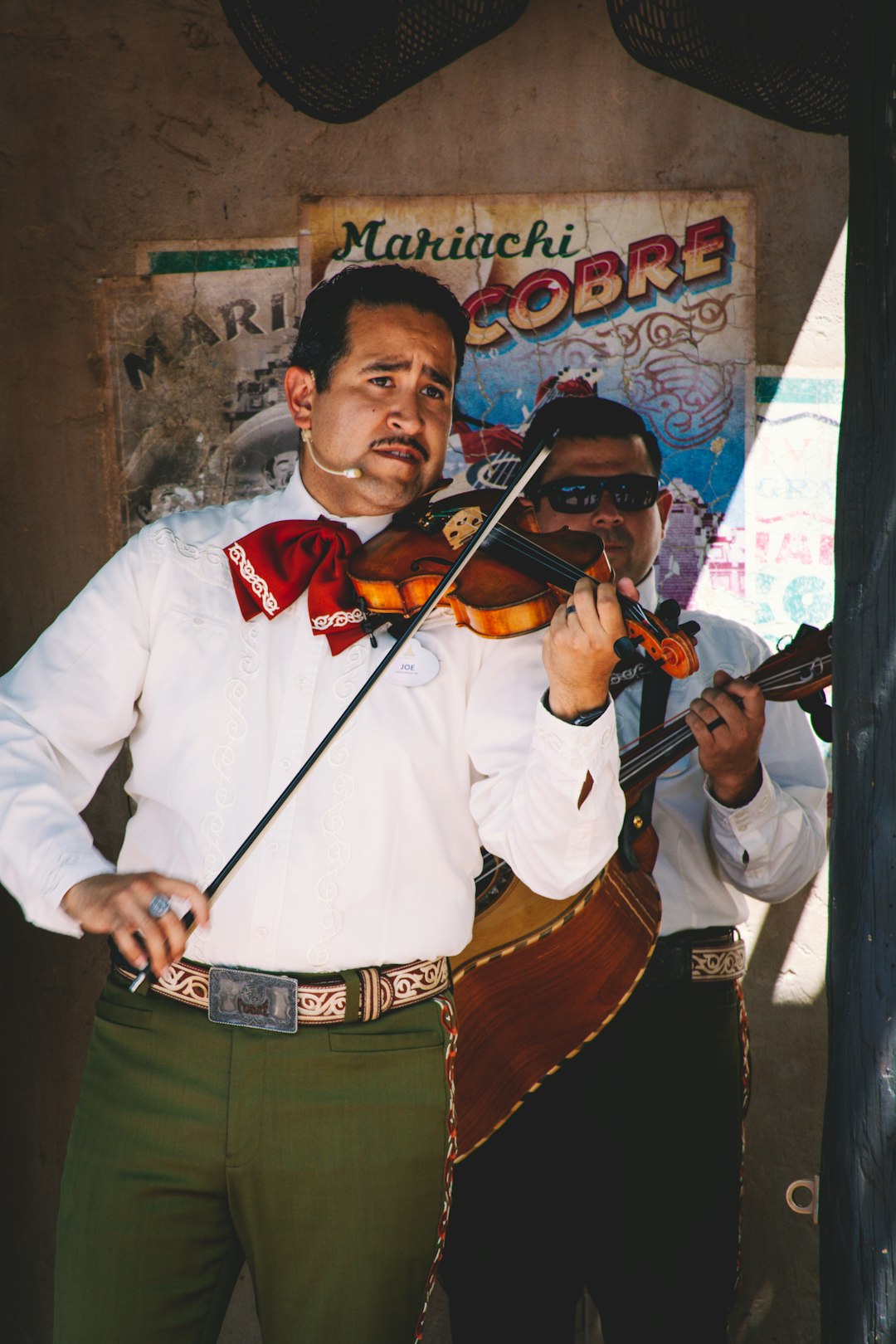
Advanced musicality isn't about hitting the accent. It's about anticipating the breath before the note. Watch a live Romanian taraf or a Bulgarian wedding band. The clarinet player leans back slightly before a run. The accordionist's knee bounces a split second ahead of the downbeat. Your body needs to tune into that physical language.
Try this: put on a recording of a Greek kalamatianos, close your eyes, and don't dance. Just stand there and let your shoulders react. Let your head drop when the bouzouki dips. When you finally move, your feet won't be following the drum—they'll be chasing the feeling between the sounds. That's where the dance lives.
Dance Like You're Being Watched by Ghosts
Folk dance isn't solo art, even when you're alone on stage. Every pattern connects you to someone else. The Russian khorovod wasn't designed for individuals to shine—it was a circle where everyone held hands because the village needed to stay together during the long winter. When you dance these forms without that awareness, you look like you're performing exercises.
I once practiced a Macedonian oro for six months alone in my studio. I thought I had it. Then I joined a group of Macedonian dancers at a workshop, and within thirty seconds, I was lost. Not because I didn't know the steps, but because I didn't know how to yield. Real folk dancing requires you to sense the person to your left, to adjust your weight so the line doesn't break, to make eye contact that says "I've got you" without words. It's closer to contact improv than it is to ballet.
The strength training matters here, but not how you think. Yes, your legs need to survive a forty-minute set. But more importantly, your core needs to stay open while holding hands with strangers. Your wrists need to remain relaxed but connected. Build endurance, sure, but build it through actual social dancing, not just treadmill runs. The stamina of folk dance is the stamina of conversation at a loud party—you have to last, but you also have to stay soft enough to hear.
The Humiliation That Changed Everything
The most important advanced technique? Willingness to look ridiculous in front of the right people. I spent years performing Balkan dance with rigid precision. Then an elderly dancer from Serbia took my hands, laughed at my posture, and physically reshaped my spine while the music played. It was humiliating. It was also the first time I felt the dance rather than executed it.
You can't embody joy, grief, or stubborn cultural pride while protecting your dignity. The advanced dancer learns to let the emotion move faster than the intellect. When the Albanian dance calls for pride, your chin needs to go up before your brain approves the gesture. When the Hungarian music turns melancholic, your sternum has to sink immediately, without you deciding to perform sadness.
This isn't acting. The audience can smell acted emotion from the back row. It's memory work. You have to find the equivalent feeling in your own life and let it ride the choreography like a current. The dance becomes a vessel, not a mask.
Let It Go
The breakthrough doesn't arrive when you add another complicated turn or increase your rehearsal hours. It happens when you stop trying to represent the dance and start allowing it to represent itself through you. Your body already knows the steps. That's not the mountain anymore.
The mountain is trust. Trust the tradition that survived centuries without your perfectionism. Trust that your wobbles, when honestly felt, matter more than your precision. Trust that the dance was never yours to master—it was always yours to serve.
Next time you step on stage, forget the first eight counts. Remember instead that somewhere, a musician is about to play a phrase their grandfather taught them, and your job is simply to be the body that proves the music was worth preserving.