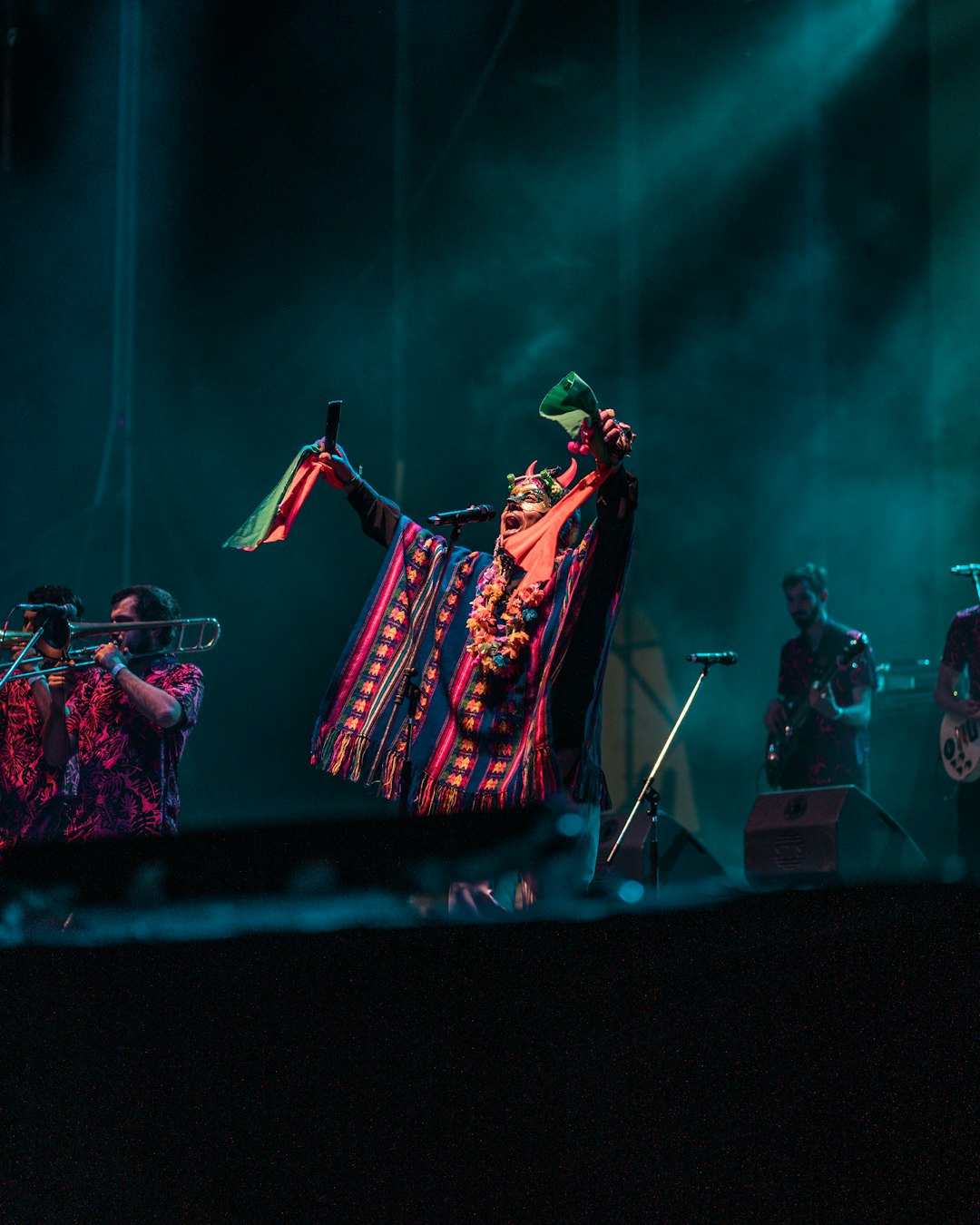
A journey through the soul of tango, from its gritty origins to its futuristic frontiers.
Astor Piazzolla’s “Libertango” might be the gateway, but the world of tango is a vast, pulsating universe of sound, story, and sweat. To stop there is to admire the foyer of a palace. Let’s walk through its many rooms.
Why Move Beyond the Maestro?
Piazzolla was a revolutionary, a genius who fused tango with jazz and classical forms to create nuevo tango. But tango is a conversation across generations. To understand his rebellion, you must hear the tradition he broke from. To feel its future, you must listen to those he inspired.
The Architectural Blueprint: A Three-Act Journey
A great playlist, like a great tanda at a milonga, needs narrative, contrast, and flow. Think of yours in three essential movements.
Act I: The Roots & The Golden Age
The raw, rhythmic heartbeat of the early 1900s, evolving into the sublime, orchestral poetry of the 1930s-50s. This is the essence of the embrace.
Act II: The Revolution & The New Wave
Where Piazzolla shatters the mold, and a generation of musicians redefines tango as concert music, infused with complex harmonies and improvisation.
Act III: The Global Tango & The 21st Century
Tango as a living, global language. Electronic remixes, cross-cultural fusions, and a return to acoustic intimacy—all coexisting.
Curating Your Acts: Essential Artists & Tracks
Act I: The Foundation (1900s-1950s)
Start with the guardia vieja (old guard) for grit, then move to the orquestas típicas for grandeur.
Key Artists: Francisco Canaro Rodolfo Biagi Carlos Di Sarli
Act II: The Deconstruction (1960s-1990s)
Here, tango becomes a composer’s playground. It’s intellectual, explosive, and emotionally complex.
Act III: The Global Dialogue (2000s-Present)
Tango is now a citizen of the world, absorbing and being absorbed by myriad influences.
Key Artists: Bajofondo Otros Aires Quinteto Astor Piazzolla Silencio
Pro-Tips for Playlist Alchemy
- Flow is Everything: Alternate between rhythmic and lyrical, vintage and modern. Create little “tandas” within your larger list.
- Seek the Stories: Read the liner notes. Why was “Adiós Nonino” written? What war inspired “Los Mareados”? The history makes the music breathe.
- Embrace the Covers: Include a modern take on a classic. Compare Pugliese’s “Recuerdo” to a version by a contemporary ensemble like Escalandrum.
- Include a Wild Card: Add a track that uses tango elements in a surprising genre—perhaps in a film score by Gustavo Santaolalla or a classical piece by Golijov.
The Ultimate Playlist is a Living Thing
Your ultimate tango playlist is not a monument; it’s a diary. It will change as you discover the frantic joy of D’Arienzo, the cosmic sorrow of Piazzolla, or the digital soul of a new producer in Berlin or Buenos Aires. It’s a map of a passion.
So start with Gardel’s velvet croon, take the detour through Piazzolla’s dissonant genius, and let the global echoes guide you forward. The true goal is not just to collect songs, but to trace the heartbeat of a century-old culture that is still passionately, defiantly alive. Now, press play.










