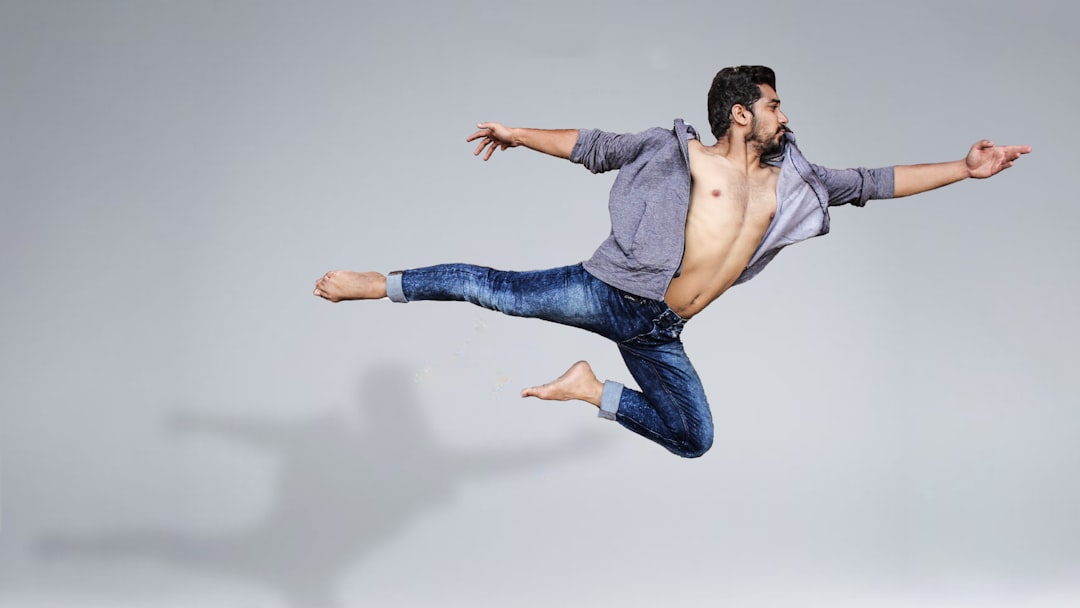
Contemporary dance doesn’t just tell a story; it makes you feel it in your bones through the raw, unfiltered language of human emotion. It’s a dialogue between the internal landscape of feeling and the external expression of the body. Whether you're a dancer seeking deeper authenticity or an audience member wanting to understand the power of a performance, this connection is key. But how do you move from simply performing steps to authentically transmitting joy, grief, or conflict through movement?
From Spectacle to Shared Experience
Emotion is more than a tool in contemporary dance—it’s the very engine of expression. Pioneers like Martha Graham built techniques on the physical manifestation of emotional anguish. Pina Bausch wove theatricality and raw, everyday sentiment into groundbreaking work. The philosophy is clear: technique provides the vessel, but emotion provides the lifeblood. It transforms movement from a visual spectacle into a resonant, shared human experience.
Understanding this philosophy is the first step. The next—learning to access and channel that emotional core—requires turning inward.
The Internal Process: Accessing the Emotional Source
Before any technique can be applied, you must first connect to the emotion itself. This is an internal excavation, a practice of turning attention inward to find the spark that will fuel your movement.
Tap Into Memory and Imagination
Draw from personal experience or empathetic imagination. Recall not just the event, but the sensory details: the temperature, the light, the quality of silence. What does the weight of grief truly feel like in your limbs? What is the texture of elation? This detailed recall makes the emotion tangible and accessible.
Let Music Be the Catalyst
Don’t just move to music; let it seep into your nervous system. Allow the melodies, rhythms, and silences to evoke sensations and memories that fuel your movement. At this stage, music acts as a primary trigger, unlocking emotional states before you even begin to shape them physically.
Find the Emotional Impulse
Every movement should originate from an internal spark—a need, a reaction, a feeling. Ask yourself: "What is propelling me to move right now?" Is it a push, a pull, a collapse, or an eruption? Identifying this core impulse ensures your movement begins from a place of authentic intent, not mere habit.
The External Language: Translating Feeling into Physicality
Once you’ve connected to the emotional source, the next step is giving it form—translating it into a nuanced physical language. Move beyond simplistic one-to-one metaphors and explore the quality of movement itself.
From Impulse to Dynamics
It’s not just about shape, but how you move through space. The emotion lives in the dynamics.
- Anger or Frustration might manifest in sharp, percussive, and bound movements, with sudden isolations.
- Grief or Heaviness could flow through sustained, weighted, and sinking movements, finding expression in the floor.
- Joy or Freedom may be expressed through fluid, expansive, and soaring pathways with a light quality.
Breath: The Physical Conduit of Feeling
Breath is the direct link between emotion and action. Let the feeling dictate the breath, and let the breath initiate the movement. A gasp of surprise can launch your body backward. A shuddering breath can create a rippling cascade through your spine. A slow, deep exhale can allow you to melt into the ground. Your breath pattern is the blueprint for your emotional expression.
The Face as an Amplifier, Not a Mask
While the body tells the main story, the face can amplify its truth. The expression should feel like a natural extension of the full-body sensation, not a separate, plastered-on performance of that emotion. Allow the feeling to resonate upward from your core.
Deepening the Partnership with Music
Returning to the music, now as a partner in shaping the expression, choose pieces that don’t just have the right tempo, but the right emotional texture. Use its swells, pauses, and dissonance to guide the intensity and phrasing of your movement, building a dynamic conversation between sound and motion.
Putting It Into Practice: Tips for Authentic Integration
Theory must meet practice. Here’s how to integrate these concepts into your work.
- Anchor with a Clear Vision: Before choreographing or performing, define the emotional territory. Journal about it, choose a potent piece of music, or use a specific memory as your anchor. This clarity will inform every movement choice and prevent the work from becoming generic.
- Practice Emotional Improvisation: Set aside technique drills to explore pure emotion. Try moving a simple phrase while channeling three different emotional states. Notice how the intention completely transforms the execution, timing, and energy.
- Embrace Vulnerability: Authentic emotional expression requires courage to bypass self-judgment. It asks you to be transparent, to not just show an emotion but to be momentarily inhabited by it, even if it feels messy or exposed. Embrace the complexity—that’s where the most powerful art often resides.
The Journey of Courageous Transparency
Ultimately, mastering emotion in contemporary dance is a lifelong practice of courageous transparency. It’s the journey of becoming an open channel where lived experience, creative impulse, and technical skill converge. By honoring the internal process and refining the external language, you elevate your dance from impressive movement to unforgettable communication. The stage awaits not just your performance, but your truth.