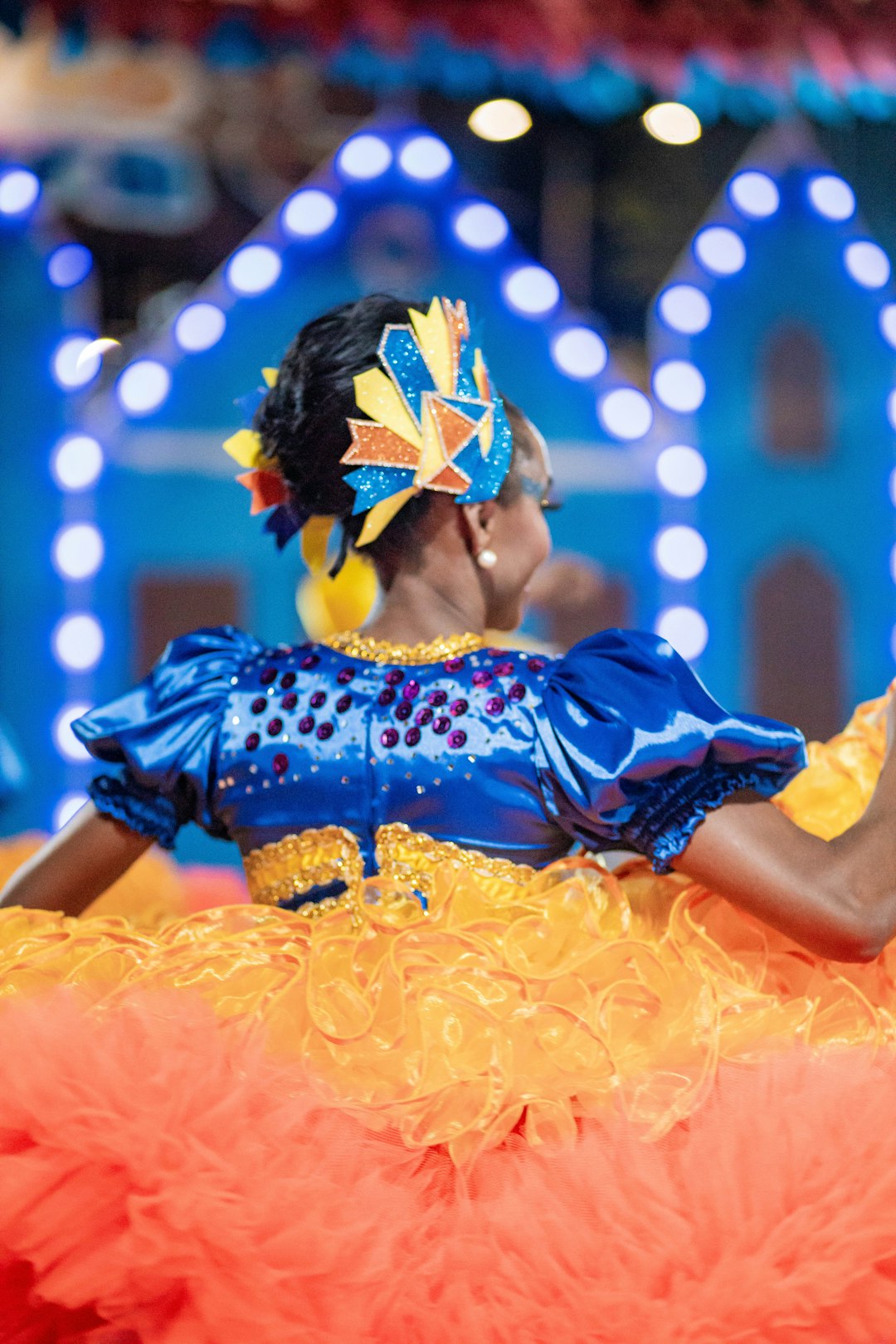
Flamenco demands more from those who reach its upper echelons. After years of drilling escobillas, perfecting vueltas, and managing the bata de cola, advanced dancers face a different challenge: transcending technique to achieve duende—that profound, almost spiritual state of expression Federico García Lorca identified as flamenco's beating heart. This guide offers granular, culturally grounded strategies for dancers ready to evolve from proficient to extraordinary.
1. Inhabit Compás With Aire
Compás in flamenco is not mere timekeeping—it is a living, breathing negotiation between structure and spontaneity. Advanced dancers must move beyond metronomic precision to inhabit compás with aire, that ineffable quality of personal rhythmic interpretation that distinguishes technicians from artists.
Master the structural architecture. The 12-beat soleá family (soleá, bulerías, alegrías) operates with cortes (accents) at counts 3, 6, 8, 10, and 12, while tangos and tientos pulse in binary or ternary forms with fundamentally different gravitational centers. Internalize how llamadas (calls to the musician) and remates (rhythmic finishing phrases) function as conversational pivots within these structures—not decorative flourishes, but essential communicative gestures.
Develop your palmas practice as rhythmic laboratory. Train both palmas sordas (muffled claps, low and resonant) and palmas claras (bright, cutting claps) not merely as accompaniment tools but as embodied understanding of flamenco's polyrhythmic possibilities. Record yourself marking compás while singing the cantes—the disjunctions between your body's compás and your voice reveal where your embodiment remains incomplete.
Explore contratiempo deliberately. Counter-rhythmic placement—dancing slightly ahead, behind, or across the beat—separates competent dancers from compelling ones. Study how bulerías masters like [insert relevant artist] manipulate contratiempo without losing structural integrity. This is not imprecision; it is controlled tension.
2. Deepen Your Palos Fluency Through Strategic Progression
Specialization builds reputation; versatility builds artistry. Yet random palos exploration wastes time. Approach expansion systematically.
Map your palos relationships. If you specialize in alegrías (Cádiz, 12-beat, major key, festive), progress to bulerías por soleá—same compás structure, but jondo (deep, serious) emotional territory and greater improvisational demand. From tangos (binary, accessible), explore tientos (slower, more jondo) or farruca (formerly male-dominated, dramatic, with distinct técnica requirements). Each transition builds on existing knowledge while forcing adaptation.
Understand the triadic relationship. Every palo exists in dynamic tension between cante (song), toque (guitar), and baile (dance). The same palo shifts dramatically depending on whether the cantaor interprets cante jondo or cante chico traditions, whether the guitarist employs rasgueado or alzapúa techniques. Dance soleá with a cantaor from Morón de la Frontera versus one from Jerez, and you confront different emotional geographies requiring distinct physical responses.
Embrace the uncomfortable. The siguiriyas dancer must cultivate weight, stillness, and grave presence utterly foreign to alegrías specialists. The bulerías improviser must release choreographic control to desplante (confrontational structural breaks) and remate exchanges. These are not stylistic choices but existential demands—each palo asks a different question of your body and spirit.
3. Interpret Through Cultural Embodiment
Flamenco storytelling transcends pantomime or emotional indication. It requires aflamencamiento—the process of becoming aflamencado, saturated with flamenco's cultural logic.
Study letras as lived texts. The soleá lyric "Ay, pena, penita, pena" is not merely "oh, pain, little pain, pain"—it carries generations of Romani-Andalusian quejío (lament), a particular way of suffering