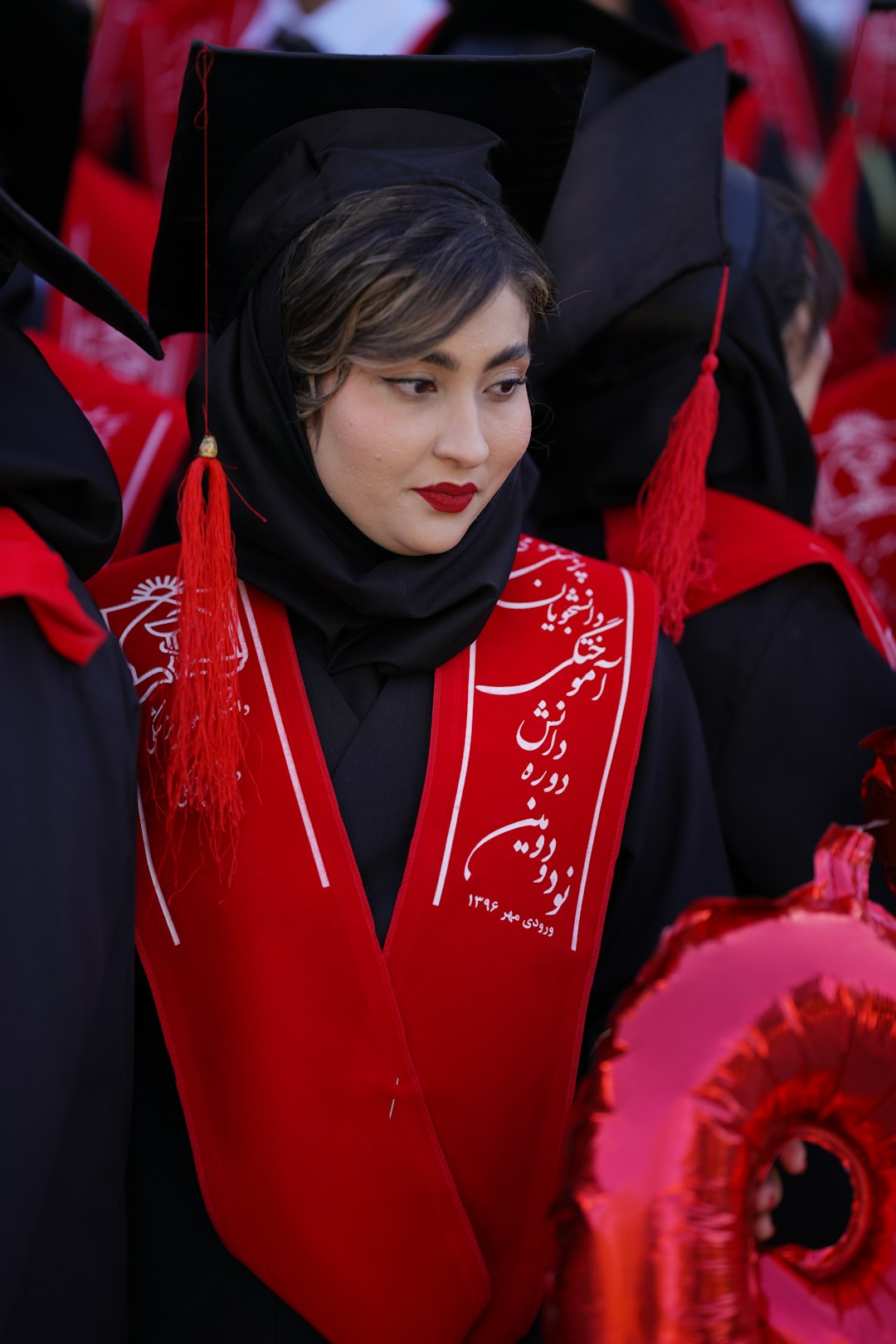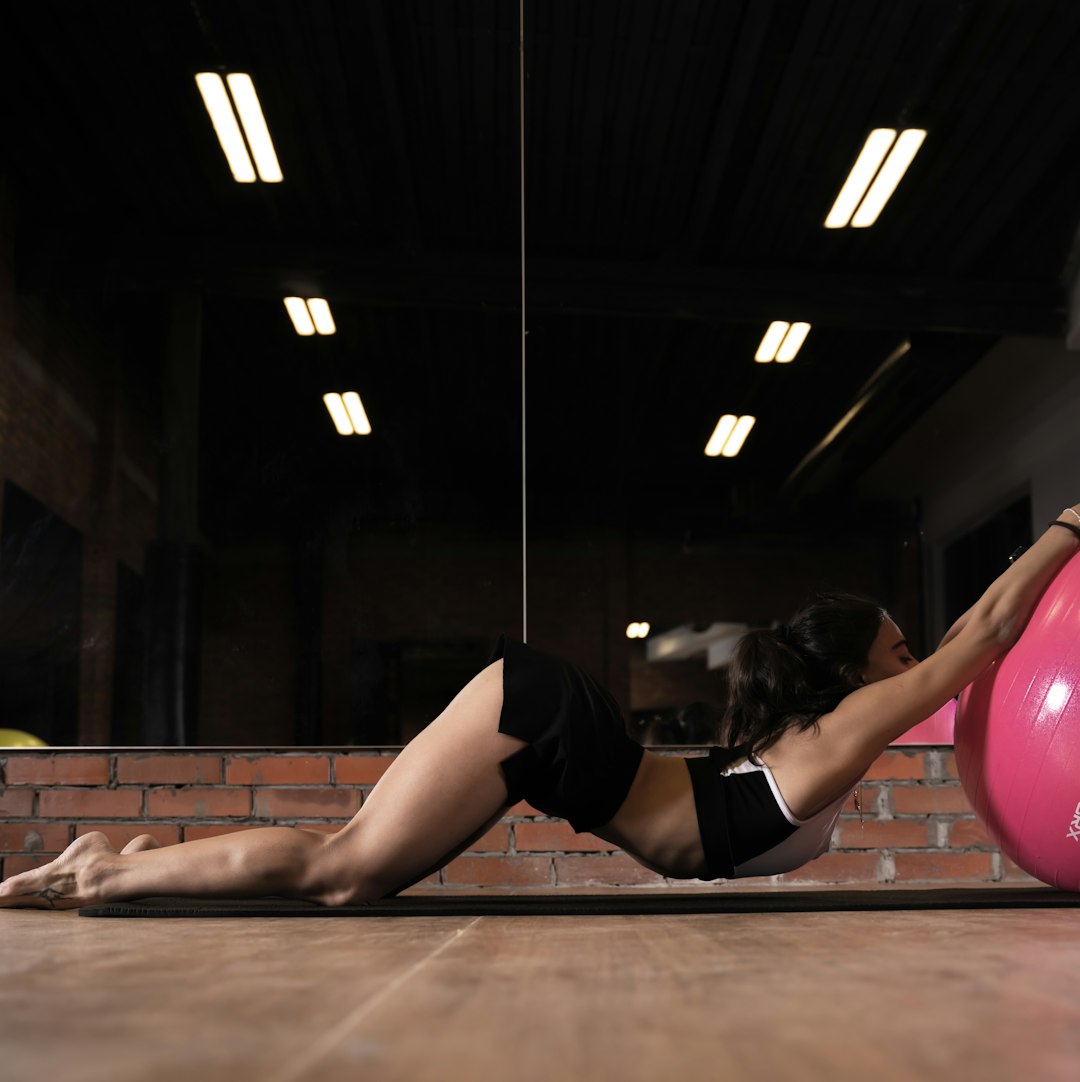
Martha Graham revolutionized American dance by rejecting ballet's rigidity. Merce Cunningham severed movement from music entirely. Pina Bausch blurred the boundaries between performance and lived experience. Today's contemporary dancers inherit this legacy of rebellion—which means your training must be both rigorous and radically personal.
Contemporary dance demands versatility, but success requires more than technical proficiency. Whether you're a pre-professional student, recent conservatory graduate, or dancer navigating career transitions, these strategies will help you build artistic identity and professional longevity in an evolving field.
Foundation: Constructing Your Technical Base
Master the Constituent Languages
Contemporary dance's hybrid nature requires fluency in multiple movement vocabularies. Each tradition contributes distinct capabilities:
- Ballet: Alignment, épaulement, and the precision of weight placement. Even abstract contemporary work relies on ballet's structural intelligence for clarity and injury prevention.
- Modern dance (Graham, Horton, Limón): Floorwork, fall-and-recovery mechanics, and weight-sharing techniques essential for partnering.
- Jazz: Isolations, rhythmic complexity, and performance quality that translate directly to commercial and concert stages.
- Improvisation and composition: The often-overlooked skill of thinking choreographically—generating material, structuring phrases, and responding spontaneously to stimuli.
Tactical tip: Schedule your training intentionally. Ballet classes build most effectively morning and midweek, when your body is fresh. Save improvisation and contemporary technique for afternoons, when your nervous system is primed for exploratory work.
Evaluate Instruction Quality Strategically
Not all experienced teachers accelerate your development. Research faculty backgrounds with specific criteria:
- Performance history: Have they danced with professional companies whose aesthetic aligns with your goals?
- Student outcomes: Do their former students work professionally? A teacher's network often matters as much as their pedagogy.
- Pedagogical specificity: Do they articulate how technique functions anatomically, or merely demonstrate combinations?
Observe classes before committing. Note whether corrections are individualized, whether the teacher addresses multiple learning modalities, and whether the atmosphere encourages risk-taking or merely replication.
Artistic Identity: Developing Your Distinctive Voice
Systematic Self-Discovery
"Finding your style" requires structured investigation, not waiting for inspiration. Implement this documentation practice:
Weekly: Record 10–15 minutes of solo improvisation. Vary your prompts—text, visual art, spatial constraints, emotional states.
Monthly: Review footage to identify patterns. Ask: Do I gravitate toward spiral pathways or direct lines? Suspended balances or grounded pedestrian gestures? Explosive dynamics or sustained melting? These preferences become your choreographic signature.
Quarterly: Show raw material to trusted peers. External eyes reveal blind spots and confirm emerging strengths.
Practice as Artistic Development
Technical acquisition means little without consistent application. Structure your independent practice beyond repeating combinations:
- Phrase manipulation: Take class material and apply choreographic operations—inversion, retrograde, fragmentation, transposition to different body parts.
- Cross-disciplinary research: Contemporary dance increasingly intersects with visual art, social practice, and technology. Follow installation artists, experimental filmmakers, and architects whose spatial thinking informs movement innovation.
Professional Infrastructure: Building Career Mechanics
Networking with Intention
Passive attendance at events yields minimal results. Implement targeted relationship-building:
Digital engagement: Follow choreographers and company directors on Instagram. Engage thoughtfully with their work—reference specific choreographic choices rather than posting generic praise. This establishes recognition before in-person meetings.
In-person strategy: Attend showings, post-performance Q&As, and panel discussions. Prepare one specific, informed question that demonstrates your research. Follow up with brief emails referencing the conversation within 48 hours.
Cold outreach: When contacting artists you admire, lead with precise observations about their work. "Your use of unison breaking in Threshold revealed hierarchical power structures" outperforms "I love your choreography" by orders of magnitude.
Digital Presence and Documentation
Your online portfolio often precedes you. Poorly lit iPhone videos undermine years of training.
- Invest in quarterly filming sessions with a dance videographer who understands framing for movement.
- Maintain a simple, navigable website with performance reels (2–3 minutes maximum), full works, and professional headshot.
- Curate your social media deliberately—process posts can demonstrate work ethic, but prioritize finished, polished content.
Financial Sustainability
Dance careers require economic literacy rarely taught in studios:
- Grant applications: Research regional arts councils, dance-specific foundations (New York Dance and Performance Awards, Princess Grace Awards), and project-based funding.
- Union pathways: Understand when AGMA (American Guild of Musical Artists) or SAG-AFTRA membership becomes relevant to your work.
- Anciliary income: Teaching, choreography for student competitions, and bodywork certifications (Pilates, yoga, Gyrotonic) sustain artistic